Embrace Elegance: Your Complete Guide to Growing the Bessie Rose
Embrace Elegance: Your Complete Guide to Growing the Bessie Rose
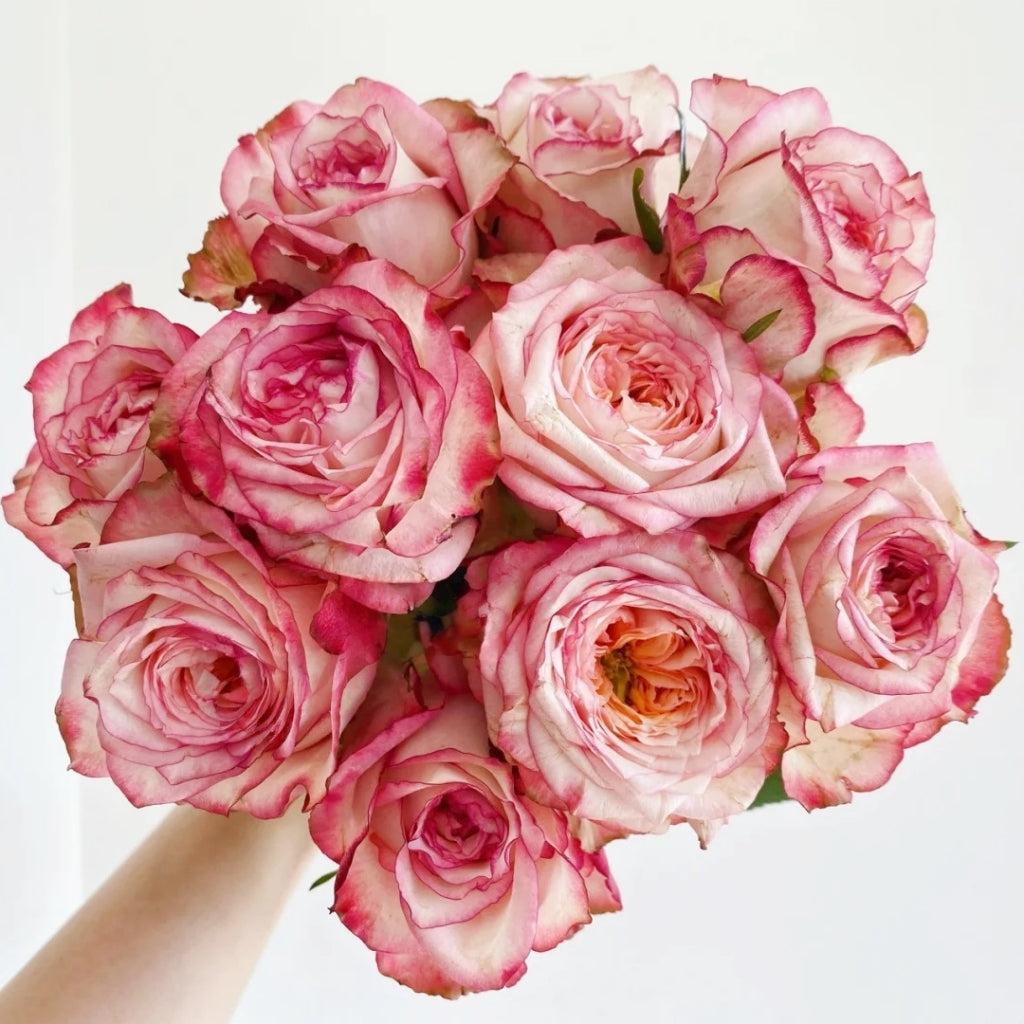
In the world of roses, few names evoke as much admiration and trust as David Austin. Renowned for their exquisite English roses that combine classic beauty with modern resilience, David Austin's introductions are always highly anticipated. The Bessie Rose, a remarkable new variety released in 2023, is no exception. With its elegant cream-colored, cup-shaped blooms and delicate fragrance, Bessie Rose (also known by its synonym Ausperidot) promises to be a cherished addition to any North American garden or floral arrangement.
Whether you're a seasoned rose collector or a budding enthusiast, the Bessie Rose offers a blend of timeless charm and reliable performance. This comprehensive guide will walk you through everything you need to know about cultivating this stunning rose, from its unique characteristics to essential planting and care tips, ensuring your garden flourishes with its multi-season beauty.
The Allure of Bessie Rose: A Detailed Product Overview
The Bessie Rose stands out with a collection of features that make it truly special. As a dual-purpose rose, it excels both as a graceful shrub in your garden and as an exceptional cut flower for breathtaking arrangements.
Key Characteristics:
- Origin & Release: Bred by the esteemed David Austin, Bessie Rose was introduced in 2023, making it a fresh and exciting variety for rose lovers.
- Rose Type: Versatile as both a Cut Rose and a Shrub Rose, offering flexibility for gardeners and florists alike.
- Growth Habit: Typically reaches a height of 120 cm (approximately 4 feet), creating a well-proportioned bush ideal for garden beds, borders, or even larger containers. We provide a 2-year-old live plant with strong roots, ensuring a robust start in your garden.
- Fragrance: It boasts an elegant floral scent, described as low intensity. This subtle aroma is pleasant and not overpowering, perfect for enjoying both indoors and out.
- Flower Color: A classic and timeless cream hue, which blends beautifully with a wide range of garden palettes and floral designs.
- Bloom Size & Form: The flowers are generously sized, measuring 8-10 cm (3-4 inches) in diameter. Each bloom is a masterpiece, featuring up to 100 closely spaced petals that form a deep, symmetrical cup shape. This graceful form is highly sought after for its romantic and full appearance.
- Blooming Frequency: Bessie Rose is a multi-season repeat bloomer, meaning you can enjoy its exquisite flowers repeatedly throughout the growing season, from late spring until the first hard frost.
- Resilience: This variety offers moderate disease resistance, helping it ward off common rose ailments. It also exhibits medium cold and heat tolerance, making it a reliable choice for various North American climates.
Benefits of Choosing Bessie Rose for Your Garden
Beyond its stunning appearance, Bessie Rose offers several compelling reasons to earn a spot in your landscape:
- Exquisite & Timeless Beauty: The classic cream color and elegant cup shape provide a sophisticated aesthetic that complements any garden style, from cottage to contemporary.
- Unmatched Versatility: Whether you desire a beautiful shrub for your garden beds or a source of elegant blooms for your vases, Bessie Rose delivers. Its strong stems and perfect form make it an ideal cut flower.
- Extended Bloom Season: As a repeat bloomer, Bessie Rose ensures your garden remains vibrant and fragrant for months, offering continuous enjoyment.
- Delicate Aromatic Experience: The low-intensity floral scent provides a subtle, pleasant aroma that enhances your garden's sensory appeal without being overwhelming.
- Reliable Performance: With moderate disease resistance and good tolerance to temperature fluctuations, Bessie Rose is a more forgiving rose to grow, offering peace of mind to gardeners.
- Strong Start: Receiving a 2-year-old live plant with established roots means faster growth and quicker establishment in your garden, allowing you to enjoy blooms sooner.
- David Austin Quality: Investing in a David Austin rose means bringing a plant of exceptional breeding, beauty, and character into your home.
Growing Guide: Planting Your Bessie Rose for Success
To ensure your Bessie Rose thrives and produces its magnificent blooms, proper planting is crucial. Here's how to give your new rose the best possible start:
1. Choosing the Right Location
- Sunlight: Roses, especially repeat bloomers like Bessie, require ample sunlight. Choose a spot that receives at least 6-8 hours of direct sunlight per day. Morning sun is particularly beneficial as it helps dry dew from the leaves, reducing fungal issues.
- Air Circulation: Good air circulation around the plant is vital to prevent fungal diseases. Avoid planting too close to walls, fences, or other dense shrubs.
- Drainage: Roses hate "wet feet." Ensure your chosen site has excellent drainage. If your soil is heavy clay, consider amending it significantly or planting in a raised bed.
2. Soil Preparation
- Ideal Soil: Bessie Rose prefers well-draining, fertile loam rich in organic matter. A slightly acidic to neutral pH (6.0-6.5) is ideal.
- Amending Soil: Before planting, amend your soil generously with organic materials such as compost, well-rotted manure, or peat moss. This improves drainage, aeration, and nutrient retention.
3. Planting Instructions for Your Live Plant
Your Bessie Rose arrives as a 2-year-old live plant with strong roots, ready for planting.
- Dig the Hole: Dig a hole that is twice as wide as the rose's root ball and just as deep. This allows the roots to spread out comfortably.
- Prepare the Plant: Carefully remove the rose from its nursery pot. Gently loosen any circling roots at the bottom to encourage outward growth.
- Position the Rose: Place the rose in the center of the hole. The bud union (the knobby part where the rose was grafted, often visible just above the roots) should be at or slightly below soil level in colder climates (USDA Zones 5-6) to protect it from winter damage. In warmer climates (Zones 7+), it can be at or slightly above soil level.
- Backfill: Begin backfilling the hole with your amended soil, gently firming it around the roots to remove air pockets.
- Water Thoroughly: Once the hole is filled, water deeply and slowly. This helps settle the soil and provides essential moisture to the roots.
- Mulch: Apply a 2-3 inch layer of organic mulch (like shredded bark, compost, or pine needles) around the base of the plant, keeping it a few inches away from the main stem. Mulch helps retain soil moisture, regulate temperature, and suppress weeds.
Care Tips for a Thriving Bessie Rose
Consistent care will ensure your Bessie Rose flourishes and provides a continuous display of its elegant blooms.
1. Watering
- Consistency is Key: Roses need consistent moisture, especially during dry spells and in their first year. Water deeply at the base of the plant, aiming for 1-2 inches of water per week, either from rainfall or irrigation.
- Avoid Overhead Watering: Watering the foliage can encourage fungal diseases. Use a soaker hose or water by hand at the soil level.
- Check Soil Moisture: Stick your finger 2 inches into the soil. If it feels dry, it's time to water.
2. Fertilizing
- Start in Spring: Begin fertilizing when new growth emerges in spring. Use a balanced rose fertilizer (e.g., 5-10-5 or 10-10-10) or a specialized rose food. Follow product instructions carefully.
- Regular Feeding: Fertilize every 4-6 weeks during the growing season, typically until late summer. Stop fertilizing about 6-8 weeks before your average first frost date to allow the plant to harden off for winter.
- Organic Options: Compost, aged manure, and bone meal can also provide nutrients and improve soil health.
3. Pruning
- Deadheading: Regularly remove spent blooms (deadhead) by cutting the stem just above the first set of five leaves. This encourages the plant to produce more flowers instead of putting energy into seed production.
- Annual Pruning (Late Winter/Early Spring): The most significant pruning occurs when the plant is dormant, typically after the last hard frost but before new growth begins.
- Remove any dead, diseased, or damaged canes.
- Cut back crossing branches that rub against each other.
- Shape the bush, aiming for an open center to improve air circulation.
- Reduce the height by about one-third to one-half, making cuts just above an outward-facing bud.
4. Pest and Disease Management
- Monitor Regularly: Inspect your Bessie Rose frequently for any signs of pests or diseases. Early detection is key.
- Common Pests: Watch for aphids, spider mites, and rose slugs. Often, a strong spray of water can dislodge pests. For persistent issues, consider insecticidal soap or neem oil.
- Fungal Diseases: While Bessie Rose has moderate disease resistance, black spot and powdery mildew can still occur, especially in humid conditions. Ensure good air circulation, avoid overhead watering, and promptly remove affected leaves. Organic fungicides can be used if necessary.
5. Winter Protection (for Colder Zones)
- If you live in USDA Zones 5 or colder, providing winter protection is advisable.
- After the first few hard frosts, mound 10-12 inches of soil, compost, or shredded leaves around the base of the plant.
- For added protection, you can cover the entire bush with a rose cone or burlap, ensuring there's still some air circulation.
Common Mistakes to Avoid with Your Bessie Rose
Even experienced gardeners can make mistakes. Being aware of these common pitfalls can help ensure your Bessie Rose thrives:
- Insufficient Sunlight: Planting in too much shade will result in leggy growth, fewer blooms, and increased susceptibility to disease.
- Poor Drainage: Roots sitting in soggy soil are prone to rot, which can quickly kill the plant. Always ensure excellent drainage.
- Inconsistent Watering: Allowing the soil to dry out completely between waterings, or overwatering, stresses the plant and impacts bloom quality.
- Over-fertilizing: Too much fertilizer, especially nitrogen, can burn the roots or promote leafy growth at the expense of flowers. Always follow package directions.
- Ignoring Pests and Diseases: Small problems can quickly escalate. Regular inspection and prompt action are crucial.
- Improper Pruning: Incorrect pruning can reduce bloom production, create an undesirable shape, or leave the plant vulnerable to disease.
- Planting Too Deep or Shallow: The bud union's placement is important for the rose's long-term health and winter survival, especially in colder regions.
Bessie Rose in Comparison: Why She Stands Out
The world of cream-colored roses is vast, but Bessie Rose carves out its own niche. While other popular David Austin cream roses like 'Crocus Rose' or 'Lichfield Angel' are beloved for their charm, Bessie Rose brings a fresh perspective as a 2023 introduction.
- Modern Breeding: As a newer variety, Bessie Rose benefits from the latest advancements in rose breeding, potentially offering improved disease resistance and vigor compared to older cultivars.
- Distinctive Form: Its deep, symmetrical cup-shaped flowers with up to 100 petals are particularly elegant and full, making it a standout for classic arrangements.
- Dual-Purpose Excellence: While many roses can be cut, Bessie Rose is specifically bred for both garden display and cut flower production, ensuring strong stems and long-lasting blooms in a vase.
- Balanced Attributes: It strikes a harmonious balance with its moderate disease resistance, medium cold and heat tolerance, and pleasant low-intensity fragrance, making it a reliable and enjoyable choice for a wide range of gardeners.
For those seeking a contemporary David Austin rose that combines classic cream beauty with robust performance and versatility, Bessie Rose is an excellent choice that truly stands apart.
Frequently Asked Questions (FAQ) About Bessie Rose
Q: What is the fragrance intensity of Bessie Rose?
A: Bessie Rose has an elegant floral scent with a low intensity, providing a subtle and pleasant aroma.
Q: How tall does Bessie Rose typically grow?
A: It generally reaches a height of about 120 cm (approximately 4 feet).
Q: Is Bessie Rose suitable for cutting and bringing indoors?
A: Absolutely! Bessie Rose is specifically bred as both a shrub rose and a cut rose, making its blooms perfect for floral arrangements.
Q: How often can I expect Bessie Rose to bloom?
A: Bessie Rose is a multi-season repeat bloomer, meaning it will produce flushes of flowers throughout the growing season, from late spring to fall.
Q: What hardiness zones is Bessie Rose suitable for?
A: With medium cold and heat tolerance, Bessie Rose is generally suitable for USDA Zones 5-9, with appropriate winter protection in the colder zones.
Q: Does Bessie Rose require special soil?
A: Like most roses, it prefers well-draining, fertile soil rich in organic matter with a pH between 6.0 and 6.5. Amending your soil with compost is highly recommended.
Bring Home the Timeless Beauty of Bessie Rose
The Bessie Rose is more than just a plant; it's an invitation to cultivate elegance, enjoy delicate fragrance, and experience the continuous joy of exquisite blooms. Its classic cream color, graceful cup shape, and reliable performance make it a truly exceptional addition to any North American garden.
Imagine the soft glow of its blooms against lush green foliage, the subtle perfume drifting on a warm breeze, and the satisfaction of creating stunning floral arrangements from your own backyard. With our 2-year-old live Bessie Rose plant, you're investing in a robust specimen ready to establish quickly and bring beauty to your space for years to come.
Ready to introduce this magnificent David Austin rose to your collection? Explore the Bessie Rose product page today and take the first step towards a garden filled with timeless charm and captivating beauty. Your journey with Bessie Rose begins now!