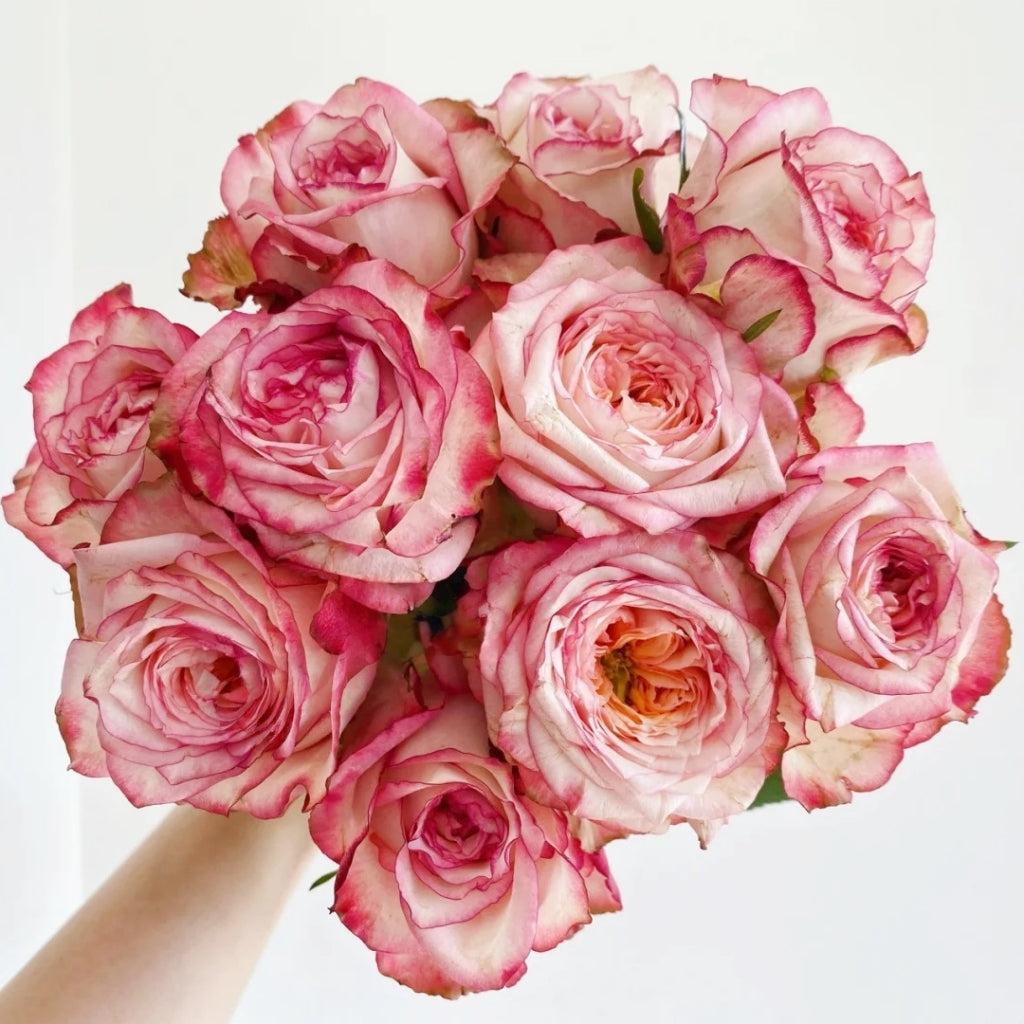
Embrace Elegance: Your Guide to Growing the Queen of the Elves Rose
Embrace Elegance: Your Guide to Growing the Queen of the Elves Rose
In the vast and enchanting world of roses, some varieties stand out not just for their beauty, but for an almost ethereal quality that captivates the senses. The 'Queen of the Elves' Rose is precisely one such gem. Hailing from Japan, this exquisite shrub rose offers a symphony of pure white blooms, a captivating fragrance, and a graceful growth habit that makes it a cherished addition to any North American garden. Whether you're a seasoned rose collector or a budding enthusiast, understanding the unique charm and care requirements of this rose will help you cultivate a truly magical display.
This comprehensive guide will walk you through everything you need to know about the 'Queen of the Elves' Rose, from its distinct features and benefits to detailed growing instructions, essential care tips, and answers to frequently asked questions. Prepare to invite a touch of elven magic into your outdoor sanctuary.
The Allure of the Queen of the Elves Rose: A Closer Look
The 'Queen of the Elves' Rose is a testament to the artistry of Japanese rose breeding, combining visual splendor with an unforgettable aromatic experience. Let's delve into the specific characteristics that make this rose so special:
Exquisite Blooms
- Color: The flowers boast a pure and flawless white to ivory white hue, radiating a pristine elegance. Interestingly, during cooler temperatures, you might observe a delicate blush of light pink, adding another layer of charm to its appearance.
- Flower Diameter: Each bloom measures a generous 8-10 cm (approximately 3-4 inches) in diameter, ensuring a showy and impactful presence in your garden.
- Flower Type: These are medium whorled flowers, meaning their petals are arranged in a classic, elegant swirl. They bloom in clusters, with multiple flowers appearing on a single stem, creating a lush and abundant display.
An Unforgettable Fragrance
One of the most compelling features of the 'Queen of the Elves' Rose is its powerful and complex fragrance. It's not just strong; it's a rich tapestry of scents:
- Fragrance Profile: The primary note is a luxurious Damascus rose scent, often described as classic and deeply floral. This is beautifully complemented by warm undertones of vanilla and a subtle hint of spice, creating a unique and intoxicating aroma that will perfume your garden air.
Graceful Growth and Resilience
- Plant Height: This shrub rose typically reaches a height of about 100 cm (approximately 3.3 feet), making it an ideal size for courtyards, mixed borders, or as a focal point in smaller gardens.
- Tree Shape: It exhibits an ordinary tree shape, characterized as a low shrub type with soft and thin branches. This means it maintains a gentle, contained form without sprawling excessively, contributing to a tidy and elegant garden aesthetic.
- Disease Resistance: A significant advantage for any gardener, the 'Queen of the Elves' boasts strong disease resistance. This translates to less time spent on pest and disease management and more time enjoying its beauty, making it a low-maintenance choice for various garden environments.
- Growth Status: When you acquire a 'Queen of the Elves' Rose from us, it's typically a 2-year-old live plant with strong roots, ensuring it's ready to plant and poised for healthy, vigorous growth in your garden.
Why Choose the Queen of the Elves Rose for Your Garden?
Beyond its individual characteristics, the 'Queen of the Elves' Rose offers several compelling reasons to earn a place in your landscape:
- Sensory Delight: The combination of its strong, unique fragrance and visually stunning white blooms creates an immersive sensory experience that few other plants can rival. It's a rose that engages both sight and smell.
- Elegance and Versatility: Its pure white color makes it incredibly versatile, pairing beautifully with almost any other plant or garden design. It can serve as a serene focal point, an elegant border plant, or a charming addition to a mixed perennial bed. Its moderate size is perfect for courtyard landscaping.
- Low Maintenance Beauty: Thanks to its strong disease resistance, this rose requires less intensive care than many other varieties. This makes it an excellent choice for busy gardeners or those new to rose cultivation who still desire a high-impact, beautiful plant.
- Unique Japanese Heritage: Hailing from Japan, this rose carries a certain prestige and often embodies characteristics of refinement and delicate beauty, appealing to collectors and those seeking unique varieties.
- Instant Impact: As a 2-year-old live plant, it arrives with a well-established root system, ready to thrive and provide beautiful blooms sooner than younger plants.
A Comprehensive Growing Guide for North American Gardeners
To ensure your 'Queen of the Elves' Rose flourishes, follow these guidelines tailored for North American climates:
1. Site Selection: The Foundation for Success
- Sunlight: Roses, especially those bred for abundant blooms, demand ample sunlight. Choose a location that receives at least 6-8 hours of direct sunlight per day. Morning sun is particularly beneficial as it helps dry dew from the leaves, reducing fungal disease risk.
- Soil: 'Queen of the Elves' thrives in well-draining, fertile soil. A slightly acidic to neutral pH (6.0-6.5) is ideal. If your soil is heavy clay or very sandy, amend it generously with organic matter like compost, well-rotted manure, or peat moss to improve drainage and nutrient retention.
- Air Circulation: Ensure good air circulation around the plant to prevent fungal diseases. Avoid planting too close to walls or other dense shrubs.
2. Planting Your 2-Year-Old Queen of the Elves Rose
As a 2-year-old live plant, your rose comes with a healthy root ball, making planting straightforward.
- Unpack and Hydrate: Upon arrival, carefully unpack your rose. If the soil in the pot feels dry, give it a good drink of water.
- Dig the Hole: Dig a hole that is twice as wide as the root ball and just as deep. This allows the roots to spread out easily into the surrounding loosened soil.
- Prepare the Plant: Gently remove the rose from its nursery pot. Inspect the roots; if they are circling tightly, gently tease them apart to encourage outward growth.
- Placement: Carefully place the rose in the center of the hole. In most North American climates, especially colder zones (USDA Zone 6 and below), it's recommended to plant the bud union (the knobby part where the rose was grafted) about 1-2 inches below the soil line for winter protection. In warmer zones (Zone 7 and above), you can plant it at or just above the soil line.
- Backfill: Backfill the hole with your amended soil, gently firming it around the roots to remove air pockets.
- Water Thoroughly: Water deeply immediately after planting to settle the soil and provide essential moisture.
- Mulch: Apply a 2-3 inch layer of organic mulch (like shredded bark, compost, or pine needles) around the base of the plant, keeping it a few inches away from the main stem to prevent rot.
3. Watering Wisely
- Consistency is Key: Roses prefer consistent moisture. Water deeply and regularly, especially during dry spells and hot weather. Aim for 1-2 inches of water per week, either from rain or irrigation.
- Deep Watering: Encourage deep root growth by watering slowly and deeply, allowing the water to penetrate the soil to at least 12-18 inches.
- Avoid Overhead Watering: Whenever possible, water at the base of the plant to keep foliage dry, which helps prevent fungal diseases. Drip irrigation or soaker hoses are excellent choices.
4. Nourishing Your Rose
- Fertilization: Begin fertilizing in early spring as new growth emerges. Use a balanced rose fertilizer or a slow-release granular fertilizer. Follow the product instructions carefully.
- Timing: Fertilize again after the first flush of blooms and potentially once more in mid-summer. Avoid fertilizing late in the season (after late July or August in most zones) to prevent encouraging tender new growth that could be damaged by winter frosts.
- Organic Options: Compost tea, fish emulsion, or well-rotted manure can also provide excellent nutrients and improve soil health.
5. Pruning for Health and Beauty
Pruning is essential for maintaining the health, shape, and vigorous blooming of your 'Queen of the Elves' Rose.
- Dormant Pruning (Late Winter/Early Spring): This is the most important pruning of the year, performed just as the buds begin to swell.
- Remove any dead, damaged, or diseased canes, cutting back to healthy wood.
- Eliminate thin, weak, or crossing branches that could rub and create wounds.
- Aim to create an open, vase-like shape to improve air circulation.
- Reduce the height by about one-third to one-half to encourage strong new growth and abundant blooms.
- Deadheading (Throughout Blooming Season): As flowers fade, snip them off just above the first set of five-leaflet leaves. This redirects the plant's energy from seed production to producing more blooms.
- Light Summer Pruning: You can lightly prune to maintain shape or remove any unruly growth during the growing season.
Essential Care Tips for a Thriving Queen of the Elves
Mulching: Your Rose's Best Friend
Maintaining a 2-3 inch layer of organic mulch around your rose offers numerous benefits:
- Moisture Retention: Reduces water evaporation from the soil, meaning less frequent watering.
- Weed Suppression: Blocks sunlight, preventing weed seeds from germinating and competing with your rose for nutrients.
- Temperature Regulation: Insulates the soil, keeping roots cooler in summer and warmer in winter.
- Soil Enrichment: As organic mulch breaks down, it slowly adds nutrients to the soil.
Pest and Disease Management
While 'Queen of the Elves' is disease-resistant, vigilance is still important:
- Regular Inspection: Periodically check your rose for signs of pests (aphids, spider mites) or diseases (black spot, powdery mildew). Early detection is key.
- Organic Solutions: For minor infestations, a strong spray of water can dislodge aphids. Neem oil or insecticidal soap can be effective for more persistent pests. For fungal issues, ensure good air circulation and consider organic fungicides if necessary.
- Good Garden Hygiene: Promptly remove any fallen leaves or diseased plant material from around the base of the rose to prevent disease spread.
Winter Protection for Colder Climates
For gardeners in USDA Zones 5 and below, winter protection is crucial for the survival of your 'Queen of the Elves' Rose:
- Mounding: After the first hard frost, mound up soil, compost, or shredded leaves around the base of the plant to a height of 10-12 inches. This protects the bud union and lower canes.
- Burlap Wrap: In very cold or windy areas, you can also wrap the entire shrub loosely with burlap to protect it from harsh winds and extreme temperature fluctuations.
- Container Roses: If growing in containers, move them to an unheated garage, shed, or basement once temperatures consistently drop below freezing.
Common Mistakes to Avoid
Even with a robust rose like 'Queen of the Elves', certain missteps can hinder its performance:
- Under or Overwatering: Both extremes are detrimental. Underwatering leads to stress and wilting, while overwatering can cause root rot. Stick to consistent, deep watering.
- Insufficient Sunlight: Planting in too much shade will result in leggy growth, fewer blooms, and increased susceptibility to diseases.
- Improper Pruning: Neglecting pruning or pruning incorrectly can lead to a less vigorous plant with fewer, smaller flowers. Always use sharp, clean pruners.
- Ignoring Pests and Diseases: While disease-resistant, no rose is completely immune. Ignoring early signs of trouble can lead to a full-blown infestation or infection.
- Poor Soil Preparation: Planting in unamended, heavy, or nutrient-poor soil will stress the plant from the start. Invest time in preparing your soil.
Queen of the Elves Rose vs. Other White Shrub Roses
While many beautiful white shrub roses exist, the 'Queen of the Elves' distinguishes itself through a few key attributes:
- Unique Fragrance Profile: Many white roses offer a delicate scent, but the 'Queen of the Elves' boasts a strong, complex fragrance with distinct Damascus, vanilla, and spice notes. This makes it a standout for gardeners prioritizing aromatic impact.
- Strong Disease Resistance: While some white roses might be prone to common fungal issues like black spot or powdery mildew, the 'Queen of the Elves' offers robust resistance, reducing the need for chemical treatments and making it a healthier choice for the environment and your garden.
- Graceful, Contained Growth: Its 'gentle low shrub tree type' growth habit means it maintains a tidy, elegant form without becoming unruly. This is particularly beneficial for smaller gardens, courtyards, or formal landscaping where a more controlled appearance is desired, unlike some sprawling shrub roses.
- Pure White to Ivory with Pink Tint: The subtle pink blush in cooler temperatures adds a unique visual dimension not always found in other pure white varieties, giving it an extra layer of charm.
Frequently Asked Questions (FAQ)
Q: Is the 'Queen of the Elves' Rose truly disease resistant?
A: Yes, it boasts strong disease resistance, making it a low-maintenance choice for gardeners. However, good cultural practices (proper watering, air circulation, hygiene) are still important to maintain its health.
Q: What kind of fragrance can I expect from this rose?
A: It has a strong, unique fragrance based on Damascus rose, infused with delightful notes of vanilla and spice. It's a truly captivating aroma.
Q: How tall does the 'Queen of the Elves' Rose grow?
A: It typically reaches a height of about 100 cm (approximately 3.3 feet), making it a medium-sized shrub rose perfect for various garden settings.
Q: Is this rose suitable for growing in containers?
A: Yes, its moderate size and gentle growth habit make it suitable for containers, provided the container is large enough (at least 15-20 gallons) and has excellent drainage. Remember to provide adequate winter protection for container roses in colder zones.
Q: When can I expect the 'Queen of the Elves' Rose to bloom?
A: With proper care and adequate sunlight, you can expect this rose to bloom from late spring through fall, often in flushes, providing continuous beauty and fragrance throughout the growing season.
Q: What does '2-year-old live plant' mean?
A: It means the rose has been growing for two years and has a well-established root system in its nursery pot. This ensures a healthy, robust plant that is ready to thrive in your garden upon planting.
Bring Home the Magic: Your Queen of the Elves Awaits
The 'Queen of the Elves' Rose is more than just a plant; it's an experience. Its pure white blooms, intoxicating fragrance, and graceful presence can transform any garden into a serene and enchanting retreat. With its strong disease resistance and manageable size, it offers both beauty and ease of care, making it an ideal choice for North American gardeners looking to add a touch of magic to their outdoor spaces.
Ready to cultivate this captivating Japanese beauty? Explore the 'Queen of the Elves' Rose and let its elegance and aroma reign supreme in your garden. Your journey to a more fragrant and beautiful landscape begins now.