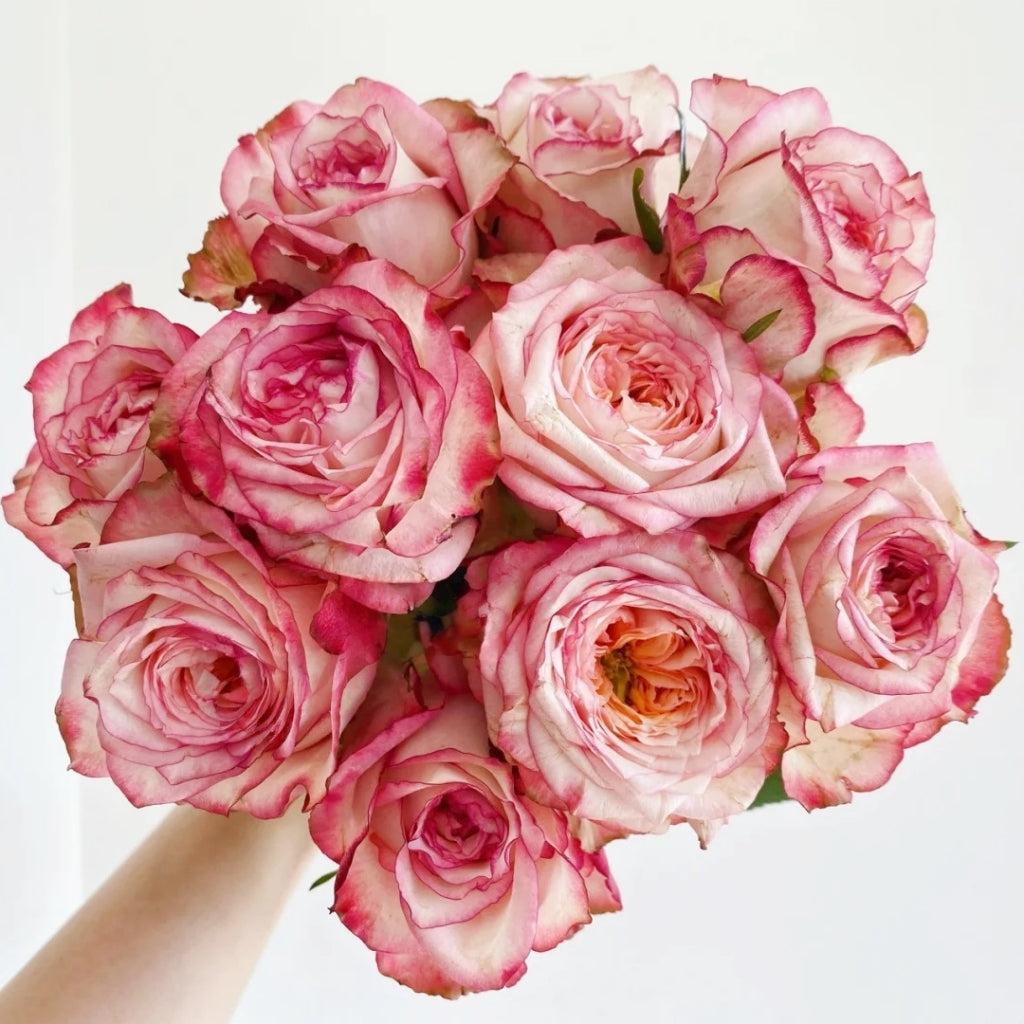
Rosalind Rose: Cultivating David Austin's Timeless Cherry-Blossom Pink Elegance
Rosalind Rose: Cultivating David Austin's Timeless Cherry-Blossom Pink Elegance
Among the vast tapestry of roses, certain varieties stand out for their exceptional beauty, fragrance, and enduring charm. The Rosalind Rose, a cherished creation from the renowned David Austin Roses, is undoubtedly one such treasure. With its soft cherry-blossom pink petals that gracefully fade to blush and near-white edges, coupled with a rich Damask fragrance underscored by subtle myrrh, Rosalind embodies a classic romance that captivates the senses.
For North American gardeners, rose collectors, and plant enthusiasts seeking a rose that offers both garden splendor and exquisite cut flowers, the Rosalind Rose presents an irresistible choice. This article will guide you through everything you need to know about this magnificent shrub rose, from its unique characteristics to comprehensive growing and care instructions, ensuring your Rosalind Rose thrives and graces your garden with its timeless elegance.
The Allure of Rosalind Rose: A Product Overview
The Rosalind Rose (synonym: AUSmash) is more than just a plant; it's a living work of art, a testament to David Austin's mastery in breeding roses that combine antique charm with modern garden performance. Released in 1985, it carries a Shakespearean elegance that resonates with rose lovers worldwide.
Key Characteristics:
- Color & Form: Rosalind's blooms are a symphony of soft cherry-blossom pink, gradually transitioning to delicate blush tones and near-white edges. Each large flower, measuring 10-12 cm in diameter, boasts over 160 petals, forming a lush, peony-like "quartered cup" structure with beautifully ruffled outer petals. This antique-inspired fullness is a hallmark of classic English roses.
- Fragrance: Prepare to be enchanted by its rich Damask rose scent, which carries intriguing myrrh undertones. This heady, intoxicating aroma is a significant draw for those who appreciate a truly fragrant garden.
- Plant & Growth: We offer Rosalind Rose as a robust 2-year-old live plant, ensuring it arrives with a strong root system ready for vigorous growth in your garden. It typically reaches a height of around 120 cm, making it an ideal choice for cutting gardens, mixed borders, or as a graceful specimen shrub.
- Blooming Habit: Rosalind is a repeat-flowering rose, providing abundant flushes of blooms in spring and autumn, with moderate flowering throughout the summer. This extended seasonal beauty ensures a long period of enjoyment.
- Vase Life: For those who love to bring their garden's beauty indoors, Rosalind Rose offers an exceptional vase life of 7-9 days, making it a superb choice for luxury bouquets and floral arrangements. Its strong, upright stems are well-suited for cutting.
Benefits of Growing Rosalind Rose in Your Garden
Choosing the Rosalind Rose for your landscape brings a multitude of rewards beyond its sheer beauty:
- Unforgettable Fragrance: The potent Damask and myrrh perfume can transform your garden into a sensory paradise, inviting you to linger and breathe deeply. It's perfect for planting near patios, windows, or pathways where its scent can be fully appreciated.
- Exceptional Cut Flowers: With its generous bloom size, exquisite petal count, and impressive vase life, Rosalind is a dream for florists and home arrangers alike. Imagine creating stunning, fragrant bouquets directly from your own garden.
- Timeless Aesthetic Appeal: Its classic quartered-cup form and soft, romantic coloring evoke a sense of history and elegance, blending seamlessly into traditional English gardens, cottage gardens, or even more contemporary designs seeking a touch of old-world charm.
- Extended Bloom Season: As a repeat-flowering rose, Rosalind provides continuous interest from late spring through to the first frosts, ensuring your garden remains vibrant and fragrant for many months.
- David Austin Heritage: Growing a David Austin rose means investing in a legacy of quality, beauty, and careful breeding. These roses are celebrated globally for their unique blend of old rose charm and modern vigor.
- Pollinator Friendly: While highly petaled, the Rosalind Rose can still attract beneficial pollinators to your garden, contributing to local biodiversity.
Growing Guide: Planting Your Rosalind Rose for Success
To ensure your Rosalind Rose flourishes, proper planting is crucial. Follow these steps to give your new rose the best possible start:
1. Choosing the Right Location
- Sunlight: Roses, especially David Austin varieties, crave sunlight. Select a spot that receives at least 6 hours of direct sunlight per day. Morning sun is particularly beneficial as it helps dry dew from the leaves, reducing the risk of fungal diseases.
- Air Circulation: Good air circulation around the plant is vital for preventing diseases. Avoid planting too close to walls, fences, or other dense shrubs.
- Drainage: Roses dislike "wet feet." Ensure the chosen site has excellent drainage. If your soil is heavy clay, consider amending it significantly or creating a raised bed.
2. Soil Preparation
- Soil Type: Rosalind Rose prefers a rich, loamy soil that is well-drained but also retains some moisture. A slightly acidic to neutral pH (6.0-7.0) is ideal.
- Amending the Soil: Dig a hole that is at least twice as wide and as deep as the rose's root ball. Amend the excavated soil with plenty of organic matter such as compost, well-rotted manure, or peat moss. This improves drainage, aeration, and nutrient retention.
3. Planting Instructions
- Hydrate the Rose: Before planting, water your potted Rosalind Rose thoroughly. If bare-root, soak the roots in water for a few hours.
- Positioning: Carefully remove the rose from its container. If the roots are circling, gently tease them apart. Place the rose in the center of the prepared hole. In colder climates (USDA Zones 5-6), position the bud union (the knobby part where the rose was grafted) 2-4 inches below the soil line. In warmer climates (USDA Zones 7-9), plant with the bud union at or just above the soil line.
- Backfilling: Backfill the hole with your amended soil, gently firming it around the roots to remove any air pockets.
- Watering In: Water deeply immediately after planting. This helps settle the soil around the roots.
- Mulching: Apply a 2-3 inch layer of organic mulch (e.g., shredded bark, compost, pine needles) around the base of the plant, keeping it a few inches away from the main stem. Mulch helps retain soil moisture, regulate soil temperature, and suppress weeds.
4. Best Time to Plant
The ideal times to plant Rosalind Rose are in early spring after the last frost, or in the fall, allowing the roots to establish before winter dormancy.
Care Tips for a Thriving Rosalind Rose
Consistent care will ensure your Rosalind Rose produces its magnificent blooms year after year.
1. Watering
- Consistency is Key: Roses need consistent moisture, especially during dry spells and in their first year. Water deeply and regularly, aiming for 1-2 inches of water per week, either from rainfall or irrigation.
- Deep Watering: Encourage deep root growth by watering slowly at the base of the plant, allowing water to penetrate the soil deeply. Avoid overhead watering, which can encourage fungal diseases.
2. Fertilizing
- Feeding Schedule: Begin fertilizing in early spring as new growth emerges. Use a balanced rose fertilizer according to product instructions. Repeat every 4-6 weeks until late summer.
- Avoid Late Feeding: Stop fertilizing about 6-8 weeks before your average first frost date to allow the plant to harden off for winter.
3. Pruning
- Winter Dormant Pruning: The main pruning is done in late winter or early spring, just as the buds begin to swell. Remove dead, damaged, or diseased wood. Cut back crossing branches and weak growth. Aim to create an open, vase-like shape to improve air circulation.
- Deadheading: Throughout the blooming season, deadhead spent flowers by cutting the stem back to a strong, outward-facing leaf or a five-leaflet leaf. This encourages the plant to produce more blooms rather than setting hips.
- Shaping: Lightly prune throughout the season to maintain desired size and shape.
4. Pest and Disease Management
- Prevention: Good cultural practices are your first line of defense. Ensure proper spacing, air circulation, and watering.
- Common Pests: Watch for aphids, spider mites, and rose slugs. Often, a strong spray of water can dislodge aphids. For persistent issues, consider insecticidal soap or neem oil.
- Common Diseases: Rosalind Rose has moderate disease resistance. However, like many roses, it can be susceptible to black spot and powdery mildew, especially in humid conditions. Remove affected leaves promptly. Ensure good air circulation and avoid overhead watering. Organic fungicides can be used as a preventative or treatment if necessary.
5. Winter Protection (for Colder Zones)
In USDA Zones 5 and colder, provide winter protection. After the first hard frost, mound soil, compost, or shredded leaves around the base of the plant to a height of 10-12 inches. You can also cover the entire plant with a rose cone or burlap for added insulation.
Common Mistakes to Avoid When Growing Rosalind Rose
Even experienced gardeners can make mistakes. Being aware of these common pitfalls can help ensure your Rosalind Rose thrives:
- Insufficient Sunlight: Planting in too much shade will result in leggy growth, fewer blooms, and increased susceptibility to disease. Roses need sun to perform their best.
- Poor Drainage: Waterlogged roots are a death sentence for roses. Always ensure your planting site drains well.
- Overwatering or Underwatering: Both extremes are detrimental. Aim for consistent, deep watering. Stick your finger into the soil; if it feels dry an inch or two down, it's time to water.
- Neglecting Pruning: Skipping annual dormant pruning can lead to a tangled, less vigorous plant with reduced flowering. Deadheading is also crucial for continuous blooms.
- Ignoring Early Signs of Pests/Diseases: Catching issues early makes them much easier to manage. Regularly inspect your rose for any unusual spots, discoloration, or insects.
- Planting Too Close: Overcrowding restricts air circulation, which is a major contributor to fungal diseases. Give your Rosalind Rose ample space to grow.
Rosalind Rose vs. Other Pink David Austin Roses: Finding Its Unique Charm
David Austin has blessed us with a stunning array of pink roses, each with its own distinct personality. While varieties like 'Olivia Rose Austin' (known for its exceptional health and soft pink, cupped blooms) and 'Gertrude Jekyll' (famous for its strong old rose fragrance and vibrant pink rosettes) are beloved, Rosalind Rose holds its own with unique characteristics.
- Color Gradient: Rosalind's signature is its soft cherry-blossom pink that gracefully fades to blush and near-white edges, offering a subtle, painterly effect that is distinct from the more uniform pinks of some other varieties.
- Fragrance Profile: While many David Austin roses boast a strong old rose scent, Rosalind's specific blend of rich Damask with a discernible myrrh undertone sets it apart, offering a more complex and intriguing aromatic experience.
- Bloom Form: Its very full, peony-like "quartered cup" structure with ruffled outer petals gives Rosalind a particularly antique and romantic appearance, perhaps more pronounced than some of the more perfectly cupped modern English roses.
- Vase Life: Rosalind's impressive 7-9 day vase life makes it an outstanding choice for cutting, often outperforming some other varieties that might be primarily bred for garden display.
Choosing Rosalind means embracing a rose that offers a specific blend of ethereal beauty, complex fragrance, and excellent performance as a cut flower, making it a truly special addition to any rose collection.
Frequently Asked Questions (FAQ) About Rosalind Rose
Q: Is Rosalind Rose disease resistant?
A: Rosalind Rose offers moderate disease resistance. With good cultural practices, such as proper air circulation, adequate sunlight, and consistent watering, you can significantly reduce the risk of common rose diseases like black spot and powdery mildew.
Q: What growing zone is best for Rosalind Rose?
A: Rosalind Rose typically thrives in USDA Hardiness Zones 5-9. In colder zones (5-6), winter protection is recommended to ensure its survival.
Q: How often does Rosalind Rose bloom?
A: Rosalind Rose is a repeat-flowering variety. You can expect abundant flushes of blooms in spring and autumn, with moderate flowering continuing throughout the summer months, especially with regular deadheading.
Q: Can I grow Rosalind Rose in a container?
A: Yes, Rosalind Rose can be grown in a large container (at least 20-24 inches in diameter) with good drainage. Container-grown roses require more frequent watering and feeding than those planted in the ground, and extra winter protection may be needed in colder climates.
Q: What kind of fragrance does Rosalind Rose have?
A: Rosalind Rose is celebrated for its rich Damask rose scent, which is beautifully complemented by subtle myrrh undertones, creating a truly intoxicating and memorable aroma.
Embrace the Elegance: Your Invitation to Grow Rosalind Rose
The Rosalind Rose is more than just a plant; it's an experience. It's the soft blush of dawn on a summer morning, the intoxicating scent of a classic English garden, and the timeless beauty of a perfectly formed bloom. Whether you dream of filling your garden with romantic color and fragrance or creating breathtaking floral arrangements for your home, Rosalind Rose promises to deliver.
We invite you to discover the enchanting world of the Rosalind Rose and bring its unique blend of cherry-blossom pink elegance and rich Damask fragrance to your North American garden. Explore our selection of healthy, 2-year-old Rosalind Rose plants and begin your journey with this truly captivating David Austin classic today.