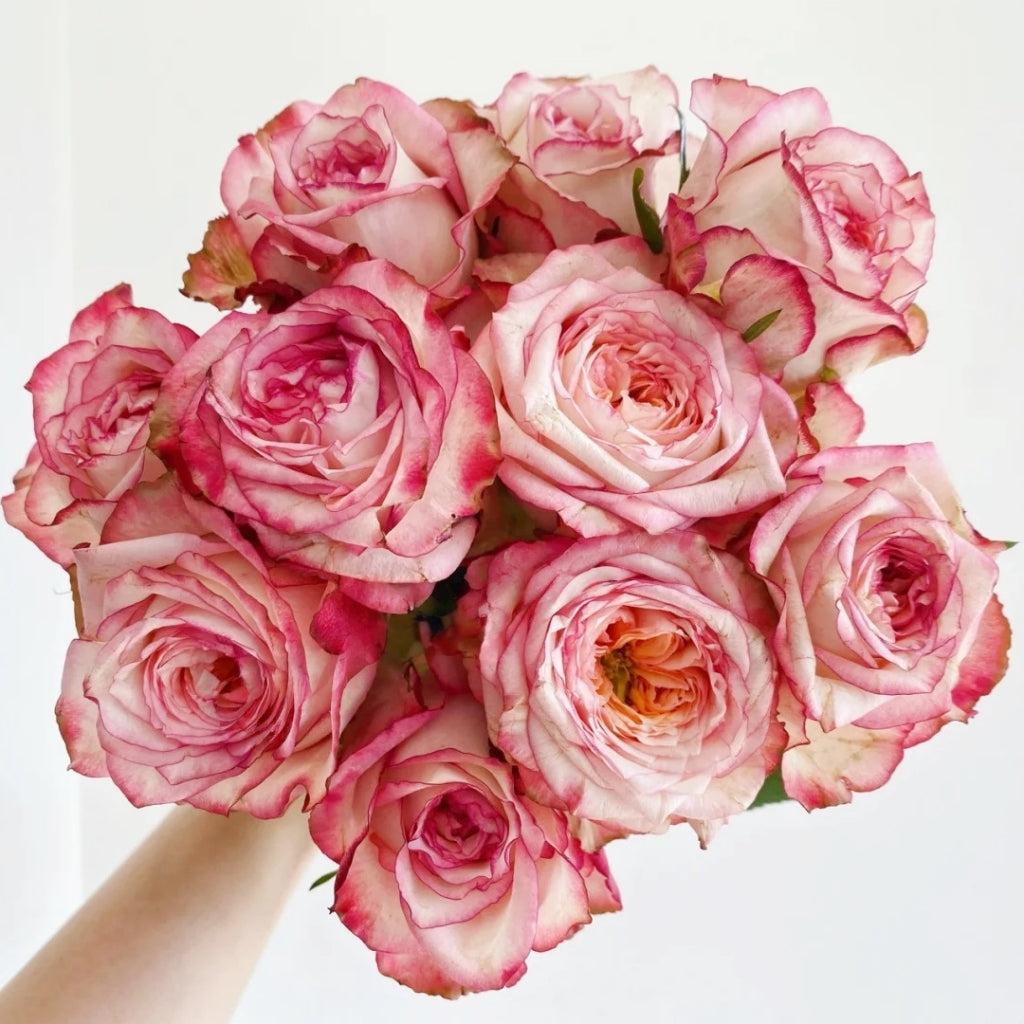
The Allure of Keira Rose: A David Austin Pink Beauty for Every North American Garden
The Allure of Keira Rose: A David Austin Pink Beauty for Every North American Garden
For gardeners and rose enthusiasts across North America, the name David Austin evokes images of classic beauty, exquisite fragrance, and robust garden performance. Among their celebrated collection, the Keira Rose stands out as a truly captivating variety, offering a blend of old-world charm and modern reliability. With its delightful pink hues, moderate mixed fragrance, and suitability as a cut flower, Keira (also known as AUSboxer) brings a touch of romantic elegance to any landscape or floral arrangement.
Whether you're a seasoned rose collector or just beginning your journey into the world of these magnificent blooms, the Keira Rose promises a rewarding experience. This comprehensive guide will walk you through everything you need to know about this exceptional David Austin variety, from its unique characteristics and benefits to detailed growing instructions, care tips, and answers to your most pressing questions. Prepare to fall in love with the timeless beauty of the Keira Rose.
Introducing the Enchanting Keira Rose
The Keira Rose is a testament to David Austin's mastery in breeding roses that combine aesthetic appeal with garden resilience. As a dedicated cut rose, it's specifically bred for its exceptional vase life and stunning appearance in floral designs, yet it performs beautifully in the garden too. Here's a closer look at what makes Keira so special:
- Origin: Bred by the renowned David Austin Roses, ensuring a pedigree of quality and beauty.
- Rose Type: Primarily a cut rose, making it ideal for bouquets, but also a wonderful addition to garden beds.
- Growth Status: Typically supplied as a 2-year-old live plant with strong roots, ready for healthy establishment in your garden.
- Plant Height: Reaches a manageable height of 60-90 cm (approximately 2-3 feet), making it versatile for various garden settings or even larger containers.
- Flower Color: A charming and delicate pink, offering a soft, romantic aesthetic.
- Flower Diameter: Blooms are a generous 9 cm (around 3.5 inches) in diameter, creating a striking presence.
- Fragrance: Possesses a moderate mixed fragrance, a delightful blend that is pleasant without being overpowering, perfect for both indoor and outdoor enjoyment.
- Bloom Period: Exhibits repeated flowering in multiple seasons, ensuring a continuous display of beauty from spring through fall.
Keira's classic, ruffled petals and soft coloring evoke a sense of vintage charm, while its robust nature ensures it's a joy to grow for North American gardeners.
The Benefits of Cultivating Keira Rose in Your Garden
Choosing the Keira Rose for your garden or cutting patch offers a multitude of advantages that extend beyond its undeniable beauty:
Exquisite Aesthetic Appeal
The soft pink, multi-petaled blooms of Keira are simply breathtaking. Their classic form, often described as a 'cabbage rose' style, adds a touch of romantic elegance that is timeless. Whether viewed individually or in a mass planting, Keira's visual impact is profound, making it a focal point in any garden design.
Delightful, Moderate Fragrance
One of the most cherished qualities of a rose is its scent, and Keira does not disappoint. Its moderate mixed fragrance is a sophisticated blend that can be enjoyed up close in the garden or brought indoors to perfume your home. It's strong enough to be appreciated but subtle enough not to overwhelm, making it a perfect choice for those who enjoy a gentle aroma.
Abundant, Repeat Flowering
Unlike some rose varieties that offer a single flush of blooms, Keira is a repeat bloomer, gracing your garden with flowers across multiple seasons. This extended blooming period ensures a continuous supply of fresh roses for cutting and a vibrant display in your landscape from late spring until the first hard frost.
Versatility for Garden and Vase
Keira's designation as a 'cut rose' means it excels in floral arrangements, boasting a good vase life and sturdy stems. Its medium size and elegant form make it ideal for bouquets, centerpieces, and boutonnieres. In the garden, its compact growth habit (60-90 cm) allows it to be used in various ways: as a charming border plant, in mixed perennial beds, or even in large containers on patios and decks.
David Austin Quality and Reliability
When you choose a David Austin rose, you're investing in decades of expert breeding. These roses are known for their vigor, health, and ability to thrive when given proper care. Keira is no exception, offering a reliable performance that makes it a worthwhile addition to any North American garden.
A Comprehensive Growing Guide for Keira Rose
To ensure your Keira Rose flourishes and produces its magnificent blooms, providing the right conditions from the start is crucial. Here's how to give your Keira the best possible beginning:
Choosing the Right Location
- Sunlight: Roses, especially repeat bloomers like Keira, require ample sunlight. Choose a spot that receives at least 6 hours of direct sunlight per day. More sun generally means more blooms.
- Air Circulation: Good air circulation is vital to prevent fungal diseases. Avoid planting Keira too close to walls, fences, or other dense plantings.
- Drainage: Roses hate "wet feet." Ensure your chosen site has excellent drainage. If your soil is heavy clay, consider amending it or planting in a raised bed.
Preparing the Soil
Keira Rose thrives in rich, well-draining soil with a slightly acidic to neutral pH (6.0-7.0). Before planting:
- Dig a generous hole, at least 18-24 inches wide and deep.
- Amend the excavated soil with plenty of organic matter such as compost, aged manure, or peat moss. This improves drainage, aeration, and nutrient retention.
Planting Your 2-Year-Old Keira Rose
As a 2-year-old live plant, your Keira Rose comes with a well-established root system, ready for planting.
- Carefully remove the rose from its container, gently loosening any circling roots at the bottom.
- Place the rose in the center of the prepared hole, ensuring the bud union (the swollen knob where the rose was grafted) is at or slightly above ground level in warmer climates (Zones 7 and above) or 2-4 inches below ground level in colder climates (Zones 6 and below) for winter protection.
- Backfill the hole with your amended soil, gently firming it around the roots to remove air pockets.
- Water thoroughly immediately after planting to settle the soil.
Watering Regimen
Consistent moisture is key, especially during establishment and dry periods. Water deeply and regularly, aiming for the root zone rather than overhead, which can encourage fungal diseases. A good rule of thumb is 1-2 inches of water per week, either from rainfall or irrigation. Reduce watering in cooler, dormant periods.
Fertilizing for Abundant Blooms
Roses are heavy feeders. Begin fertilizing in early spring as new growth emerges, and continue every 4-6 weeks until late summer. Use a balanced rose fertilizer or a granular slow-release option. Avoid fertilizing too late in the season, as this can stimulate tender new growth that is vulnerable to winter damage.
Essential Care Tips for a Thriving Keira Rose
Beyond the initial planting, ongoing care will ensure your Keira Rose remains healthy, vigorous, and full of blooms.
Pruning for Health and Shape
Pruning is essential for maintaining the health, shape, and flowering potential of your Keira Rose.
- Annual Dormant Pruning (Late Winter/Early Spring): Remove any dead, damaged, or diseased canes. Cut back about one-third to one-half of the previous year's growth to encourage strong new shoots and abundant blooms. Aim for an open, vase-like shape to improve air circulation.
- Deadheading (Throughout the Season): As blooms fade, snip them off just above a set of five leaves. This redirects the plant's energy from seed production back into creating more flowers, promoting continuous blooming.
Pest and Disease Management
While Keira Rose is generally robust, like all roses, it can occasionally encounter pests or diseases. Vigilance is your best defense.
- Common Pests: Aphids, spider mites, and rose slugs are common. Often, a strong spray of water can dislodge aphids. For more persistent issues, consider insecticidal soap or neem oil.
- Common Diseases: Black spot and powdery mildew are fungal issues. Ensure good air circulation, water at the base of the plant, and promptly remove any affected leaves. Organic fungicides can be used as a preventative or treatment.
- Prevention: Healthy plants are more resistant. Ensure proper watering, feeding, and air circulation.
Winter Protection (for Colder Climates)
In USDA Zones 6 and colder, winter protection is recommended for Keira Rose.
- After the first hard frost, mound soil, compost, or shredded leaves around the base of the plant to a height of 10-12 inches.
- You can also cover the entire plant with a rose cone or burlap, ensuring there's some ventilation.
- Remove winter protection gradually in early spring after the danger of severe frost has passed.
Common Mistakes to Avoid When Growing Keira Rose
Even experienced gardeners can make mistakes. Being aware of these common pitfalls can help ensure your Keira Rose thrives:
- Under or Overwatering: Both extremes are detrimental. Underwatering stresses the plant, while overwatering can lead to root rot. Stick to a consistent deep watering schedule.
- Insufficient Sunlight: Planting Keira in a shady spot will result in leggy growth, fewer blooms, and increased susceptibility to disease. Always aim for at least 6 hours of direct sun.
- Poor Air Circulation: Crowding roses or planting them in enclosed spaces creates a humid environment perfect for fungal diseases like black spot and powdery mildew.
- Incorrect Pruning: Hesitating to prune, or pruning incorrectly, can lead to weak growth and fewer flowers. Don't be afraid to make clean, sharp cuts.
- Ignoring Early Signs of Pests/Diseases: A small problem can quickly escalate. Inspect your roses regularly and address any issues promptly.
- Fertilizing Too Late: Fertilizing in late fall can encourage new, tender growth that will be damaged by winter cold, weakening the plant.
Keira Rose vs. Other Pink David Austin Varieties: A Brief Comparison
David Austin offers a stunning array of pink roses, each with its unique charm. While many share the signature English rose aesthetic, Keira stands out, particularly as a cut rose. Let's briefly compare it to a couple of other popular pink David Austin varieties:
Keira Rose (AUSboxer)
- Key Feature: Primarily bred as a cut rose, known for its excellent vase life and classic, ruffled pink blooms.
- Fragrance: Moderate mixed fragrance.
- Growth Habit: More compact, typically 60-90 cm, making it versatile for garden beds and containers.
- Bloom Form: Deeply cupped to rosette, with many petals, giving a very full, luxurious look.
Olivia Rose Austin (AUSmixture)
- Key Feature: Often lauded as one of the healthiest and most disease-resistant David Austin roses.
- Fragrance: Medium-strong fruity fragrance.
- Growth Habit: A medium-sized shrub, usually 3-4 feet tall and wide, very bushy.
- Bloom Form: Beautifully rounded, cupped blooms of a lovely soft pink.
Gertrude Jekyll (AUSbord)
- Key Feature: Famous for its exceptionally strong, classic old rose fragrance, often considered one of the most fragrant English roses.
- Fragrance: Very strong old rose fragrance.
- Growth Habit: A vigorous, upright shrub, can reach 4-5 feet or be trained as a short climber.
- Bloom Form: Perfectly quartered rosettes of rich pink.
While Olivia Rose Austin excels in health and Gertrude Jekyll in fragrance, Keira carves its niche with its exquisite cut flower qualities and charming, moderate scent, making it a perfect choice for those who desire beautiful, long-lasting bouquets straight from their garden.
Frequently Asked Questions About Keira Rose
Q1: Is Keira Rose good for cutting and floral arrangements?
Absolutely! The Keira Rose is specifically bred as a cut rose, meaning it has excellent stem strength, bloom form, and vase life, making it perfect for bouquets and arrangements.
Q2: What kind of fragrance does Keira Rose have?
Keira Rose boasts a moderate mixed fragrance. It's a delightful and pleasant scent that is noticeable without being overwhelming, perfect for enjoying both indoors and out.
Q3: How tall does the Keira Rose plant get?
Keira Rose typically grows to a height of 60-90 cm (approximately 2-3 feet), making it a compact and versatile shrub suitable for various garden uses or larger containers.
Q4: How often does Keira Rose bloom?
Keira Rose is a repeat-flowering variety, meaning it will produce flushes of blooms across multiple seasons, from late spring through fall, providing continuous beauty.
Q5: Is Keira Rose disease resistant?
David Austin roses are generally bred for good health and vigor. While no rose is entirely immune, with proper care, good air circulation, and adequate sunlight, Keira Rose demonstrates good resistance to common rose diseases. Vigilance and prompt action against any issues will help maintain its health.
Q6: Can I grow Keira Rose in a container?
Yes, due to its compact growth habit (60-90 cm), Keira Rose is well-suited for growing in large containers (at least 18-24 inches in diameter) on patios or decks, provided it receives sufficient sunlight and consistent watering.
Bring the Beauty of Keira Rose to Your Home
The Keira Rose is more than just a plant; it's an invitation to experience the timeless beauty and delicate fragrance that only a David Austin rose can offer. Its charming pink blooms, moderate mixed scent, and exceptional performance as a cut flower make it an indispensable addition for any North American gardener or rose enthusiast.
Imagine stepping into your garden and gathering a handful of these exquisite roses, bringing their romantic allure and gentle perfume indoors. With the right care and attention, your Keira Rose will provide years of joy and stunning floral displays.
Ready to cultivate this magnificent David Austin beauty? Explore our selection of healthy, 2-year-old Keira Rose plants and begin your journey with one of the most beloved pink roses today. Your garden, and your home, will thank you.