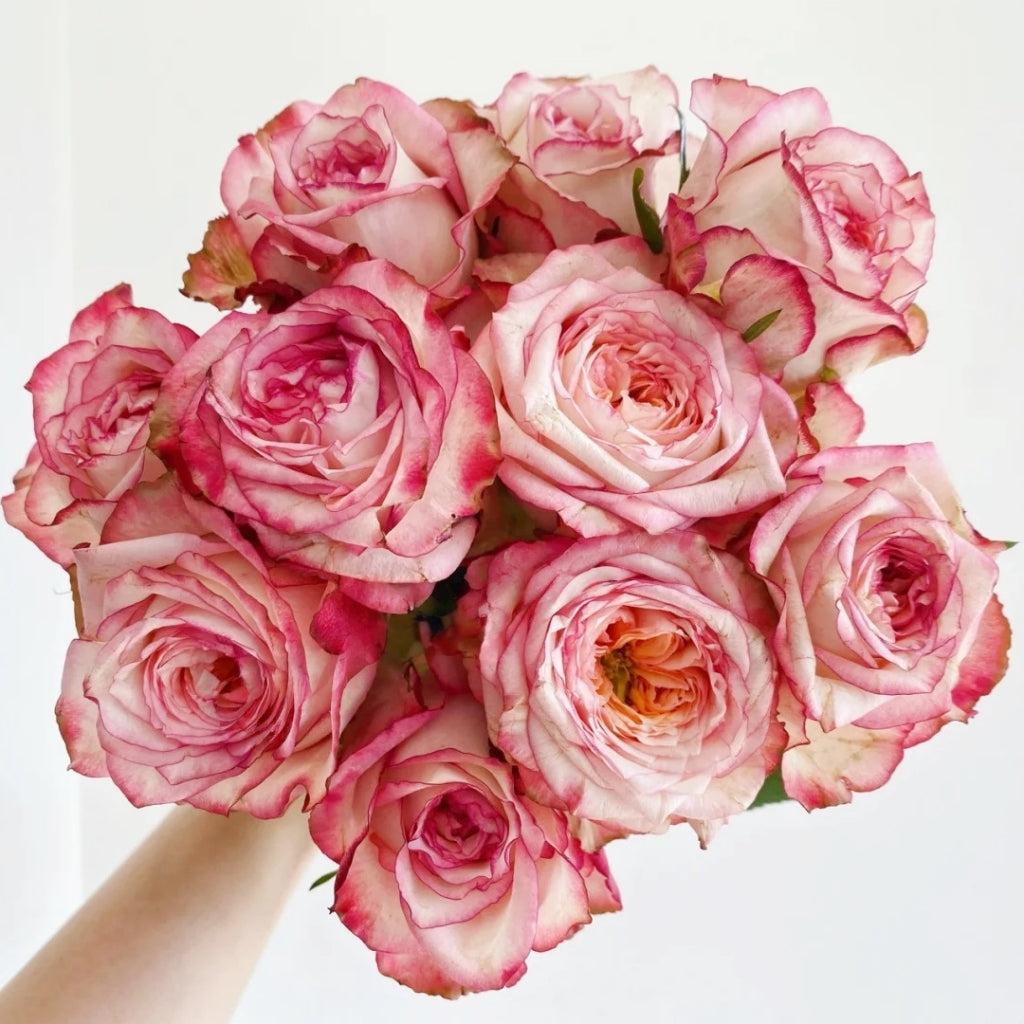
The Enduring Charm of the Juliet Rose: A Guide to Growing David Austin's Iconic Peach-Apricot Beauty
The Enduring Charm of the Juliet Rose: A Guide to Growing David Austin's Iconic Peach-Apricot Beauty
For North American gardeners seeking to infuse their landscape with timeless elegance and a touch of romantic allure, few roses capture the imagination quite like the Juliet Rose. A true masterpiece from the renowned David Austin collection, this English rose has become a global sensation, cherished for its unique antique cup-shaped blooms, captivating peach-apricot hues, and a delicate tea fragrance. More than just a garden specimen, the Juliet Rose is a star in the world of cut flowers, celebrated for its exceptional vase life and ability to transform any arrangement into a work of art.
In this comprehensive guide, we'll delve into everything you need to know about cultivating and caring for the magnificent Juliet Rose. From understanding its unique characteristics to mastering planting techniques, ongoing care, and even avoiding common pitfalls, you'll gain the confidence to grow this iconic beauty in your own garden. Prepare to discover why the Juliet Rose, with its blend of classic charm and modern resilience, is a must-have for rose enthusiasts and floral connoisseurs alike.
Meet the Juliet Rose: A David Austin Masterpiece
Introduced by David Austin in 1999, the Juliet Rose, also known by its synonym AUSjameson, quickly rose to prominence, becoming one of the most sought-after English roses. It embodies the classic English rose aesthetic with its deeply cupped, densely petaled flowers, yet it offers a contemporary twist with its remarkable performance as a cut flower. Its warm, inviting colors evoke a sense of vintage romance, making it a favorite for weddings, special events, and everyday enjoyment.
What Makes Our Juliet Rose Special?
When you choose a Juliet Rose from our nursery, you're investing in a healthy, established plant ready to thrive in your garden. Our Juliet Rose plants are carefully nurtured to ensure they arrive at your doorstep with robust roots and excellent vigor. Here are the key characteristics of the live plant you'll receive:
- Growth Status: We provide a 2-year-old live plant with strong, well-developed roots, ensuring a head start and quicker establishment in your garden.
- Plant Height: Expect a compact, slow-growing shrub reaching approximately 110 cm (around 3.6 ft) in height. This manageable size makes it suitable for various garden settings, from borders to containers.
- Fragrance: Enjoy a light, fresh tea scent that adds a subtle yet elegant aromatic dimension to your garden and floral arrangements.
- Disease Resistance: With proper care and good cultural practices, the Juliet Rose exhibits good disease resistance, making it a relatively resilient choice for many gardeners.
- Blooming Season: This variety is a multi-season repeat bloomer, gracing your garden with its exquisite flowers from late spring through fall, offering a long-lasting display of beauty.
- Flower Shape: The blooms are truly exquisite, featuring an antique cup-shaped form that gradually opens to reveal a romantic, densely layered structure.
- Color: The color palette is a warm, romantic gradient, showcasing deep peach centers that softly transition to delicate apricot outer petals.
- Flower Size: Each showy bloom measures approximately 10 cm (medium-large), making a significant visual impact.
- Vase Life: One of its most celebrated features, the Juliet Rose boasts an exceptional vase life of 10 days or more, allowing you to enjoy its beauty indoors for an extended period.
Why Choose the Juliet Rose for Your Garden?
Beyond its stunning appearance, the Juliet Rose offers a multitude of benefits that make it a highly desirable addition to any garden or floral collection.
Unparalleled Beauty and Fragrance
The visual appeal of the Juliet Rose is simply captivating. Its unique peach-apricot gradient, combined with the classic English cup shape and densely packed petals, creates a bloom that feels both opulent and tender. The gentle tea fragrance, while not overpowering, adds another layer of sensory delight, inviting you to lean in and appreciate its subtle charm. This rose doesn't just bloom; it performs a graceful dance of color and scent.
Exceptional for Cut Flowers
If you love bringing garden fresh flowers indoors, the Juliet Rose is an absolute dream. Its robust stems, perfect bloom size, and, most importantly, its incredible vase life of 10 days or more mean your bouquets will remain fresh and vibrant long after other cut flowers have faded. This makes it an ideal choice for special occasions like weddings, anniversaries, or simply elevating your everyday living space with natural beauty.
Versatility in the Landscape
As a compact, slow-growing shrub, the Juliet Rose is incredibly versatile. It thrives beautifully in garden borders, creating a focal point with its warm colors. Its moderate size also makes it an excellent candidate for large containers or patio pots, allowing even those with limited garden space to enjoy its splendor. Plant it individually, in groups, or as part of a mixed perennial bed for stunning effect.
Reliable Performance
Despite its delicate appearance, the Juliet Rose is a resilient performer. It offers multi-season repeat flowering, ensuring a continuous display of blooms throughout the growing season. With good disease resistance, it proves to be a robust choice for many gardeners, requiring less intensive care than some more finicky varieties. This combination of beauty and hardiness makes it a rewarding rose to grow.
Growing Your Juliet Rose: A Step-by-Step Guide
To ensure your Juliet Rose flourishes and rewards you with abundant blooms, proper planting is key. Follow these steps for a successful start:
1. Choosing the Right Location
- Sunlight: Roses are sun-lovers. Select a spot in your garden that receives at least 6-8 hours of direct sunlight per day. Morning sun is particularly beneficial as it helps dry dew from the leaves, reducing fungal disease risk.
- Air Circulation: Good air circulation around the plant is crucial. Avoid planting too close to walls or other dense shrubs that might impede airflow, as this can lead to humidity buildup and disease.
- Drainage: Ensure the chosen site has excellent drainage. Roses hate "wet feet," which can lead to root rot.
2. Preparing the Soil
Roses prefer rich, well-draining soil with a slightly acidic to neutral pH (6.0-7.0). If your soil is heavy clay or very sandy, amend it generously:
- Clay Soil: Incorporate organic matter like compost, aged manure, or peat moss to improve drainage and aeration.
- Sandy Soil: Add compost, aged manure, or coco coir to enhance water retention and nutrient levels.
- Digging the Hole: Dig a hole that is at least twice as wide as the rose's root ball and deep enough so that the graft union (the swollen knob where the rose was budded onto rootstock) is at or slightly below soil level in colder climates (USDA Zones 5 and below) or at soil level in warmer climates.
3. Planting Your Live Rose
- Carefully Remove: Gently remove the rose from its nursery pot, being careful not to damage the roots. If the roots are circling the pot, gently tease them apart.
- Positioning: Place the rose in the center of the prepared hole. Ensure the graft union is at the appropriate depth for your climate.
- Backfill: Begin backfilling the hole with your amended soil, gently firming it around the roots to remove air pockets.
4. Initial Watering
After planting, water thoroughly until the soil is saturated. This helps settle the soil around the roots. For the first few weeks, keep the soil consistently moist but not waterlogged to encourage root establishment.
Ongoing Care for a Thriving Juliet Rose
Once established, the Juliet Rose is relatively easy to care for, but consistent attention will ensure the most spectacular blooms.
Watering Wisely
Deep and infrequent watering is generally better than shallow, frequent watering. Aim to water at the base of the plant to avoid wetting the foliage, which can encourage fungal diseases. Check the soil moisture regularly; when the top 2-3 inches feel dry, it's time to water. During hot, dry spells, your rose may need water every few days.
Feeding Your Rose
Roses are hungry plants. Begin fertilizing in early spring as new growth emerges, and continue every 4-6 weeks through late summer. Use a balanced rose fertilizer or a slow-release granular fertilizer. Follow product instructions carefully. Avoid fertilizing in late fall, as this can stimulate tender new growth that is vulnerable to winter damage.
Pruning for Health and Blooms
Pruning is essential for maintaining the health, shape, and prolific blooming of your Juliet Rose.
- Annual Dormant Pruning (Late Winter/Early Spring): Remove any dead, damaged, or diseased canes. Open up the center of the bush to improve air circulation. Cut back about one-third of the previous year's growth to encourage strong new shoots.
- Deadheading (During Growing Season): As blooms fade, snip them off just above a set of five leaves. This encourages the plant to produce more flowers rather than setting seeds.
- Shaping: Throughout the season, remove any crossing branches or weak growth to maintain an attractive, open form.
Pest and Disease Management
While Juliet Rose has good disease resistance, vigilance is key. Inspect your plants regularly for signs of common rose pests like aphids, spider mites, or Japanese beetles, and diseases such as black spot or powdery mildew. Address issues promptly with appropriate organic or chemical controls, following label instructions carefully. Good air circulation and proper watering practices are your first line of defense.
Winter Protection (for colder zones)
In USDA Zones 6 and colder, provide winter protection. After the first hard frost, mound soil, compost, or shredded leaves around the base of the plant to a height of 10-12 inches. You can also cover the entire plant with a rose cone or burlap wrap for added insulation, especially for younger plants.
Common Mistakes to Avoid with Juliet Roses
Even experienced gardeners can make mistakes. Being aware of these common pitfalls can help ensure your Juliet Rose thrives:
- Inadequate Sunlight: Planting in too much shade will result in fewer blooms, weaker growth, and increased susceptibility to disease.
- Poor Soil Drainage: "Wet feet" are a rose's worst enemy. Ensure your soil drains well to prevent root rot.
- Over or Under Watering: Both extremes are detrimental. Consistently moist but not soggy soil is ideal.
- Improper Pruning: Neglecting dormant pruning can lead to leggy plants and reduced flowering. Incorrect deadheading can also limit bloom production.
- Neglecting Pests and Diseases: Ignoring early signs of trouble can lead to widespread problems that are harder to control. Regular inspection is crucial.
Juliet Rose vs. Other English Roses: What Sets It Apart?
The David Austin collection boasts a stunning array of English roses, many of which feature warm tones. So, what makes Juliet Rose truly unique among its peers?
- Distinct Color Gradient: While other David Austin roses like 'Lady of Shalott' (more orange-apricot) or 'Grace' (pure apricot) are beautiful, Juliet Rose stands out with its deep peach center gently fading to soft apricot outer petals. This specific gradient gives it a sophisticated, almost painterly quality that is instantly recognizable.
- Antique Cup Shape: Many English roses have a cupped form, but Juliet's antique cup is particularly pronounced and holds its shape beautifully, even as the flower matures. This dense, multi-petaled structure contributes to its luxurious appearance.
- Exceptional Vase Life: This is arguably Juliet's most significant differentiator, especially for those interested in cut flowers. While most English roses are bred primarily for garden performance and fragrance, Juliet was specifically selected for its outstanding longevity in a vase. This makes it a top choice for florists and home arrangers alike, surpassing many other varieties in this regard.
- Compact Growth Habit: Juliet Rose tends to be a more compact and slower-growing shrub compared to some of the more vigorous David Austin varieties, making it an excellent choice for smaller gardens or container planting where space is a consideration.
In essence, while many English roses share a family resemblance, the Juliet Rose carves out its own niche with its signature color blend, enduring bloom form, and unparalleled performance as a cut flower, making it a truly special addition to any garden.
Frequently Asked Questions About Juliet Roses
Q: Is the Juliet Rose good for beginners?
A: Yes, with its good disease resistance and manageable growth habit, the Juliet Rose is a rewarding choice for beginners who are willing to provide basic care like adequate sunlight, proper watering, and annual pruning.
Q: How often does Juliet Rose bloom?
A: The Juliet Rose is a multi-season repeat bloomer. After its initial flush in late spring or early summer, it will continue to produce waves of blooms throughout the growing season, typically until the first hard frost, especially with consistent deadheading.
Q: Can I grow Juliet Rose in a container?
A: Absolutely! Its compact size makes it an excellent candidate for large containers (at least 18-24 inches in diameter) on patios or balconies. Ensure the container has good drainage holes and use a high-quality potting mix designed for roses or flowering shrubs.
Q: What is the best time to prune Juliet Rose?
A: The main dormant pruning should be done in late winter or early spring, just as the buds begin to swell. Throughout the growing season, deadhead spent blooms to encourage more flowering.
Q: Is Juliet Rose fragrant?
A: Yes, Juliet Rose possesses a light, fresh tea scent. While not as intensely fragrant as some other David Austin varieties, its delicate aroma is a lovely addition to its overall charm.
Bring Timeless Romance to Your Garden with the Juliet Rose
The Juliet Rose is more than just a plant; it's an experience. It offers a blend of historical charm, exquisite beauty, and practical resilience that few other roses can match. Whether you dream of crafting breathtaking floral arrangements, adding a touch of romance to your garden borders, or simply enjoying the gentle fragrance of a truly iconic English rose, the Juliet Rose is an exceptional choice.
Imagine the warm peach and apricot hues brightening your landscape, the delicate tea scent wafting through the air, and the satisfaction of cutting your own long-lasting bouquets. Our 2-year-old live Juliet Rose plants are ready to bring this dream to life in your North American garden. Don't miss the opportunity to cultivate this beloved David Austin masterpiece. Explore our selection today and let the timeless charm of the Juliet Rose transform your outdoor space.