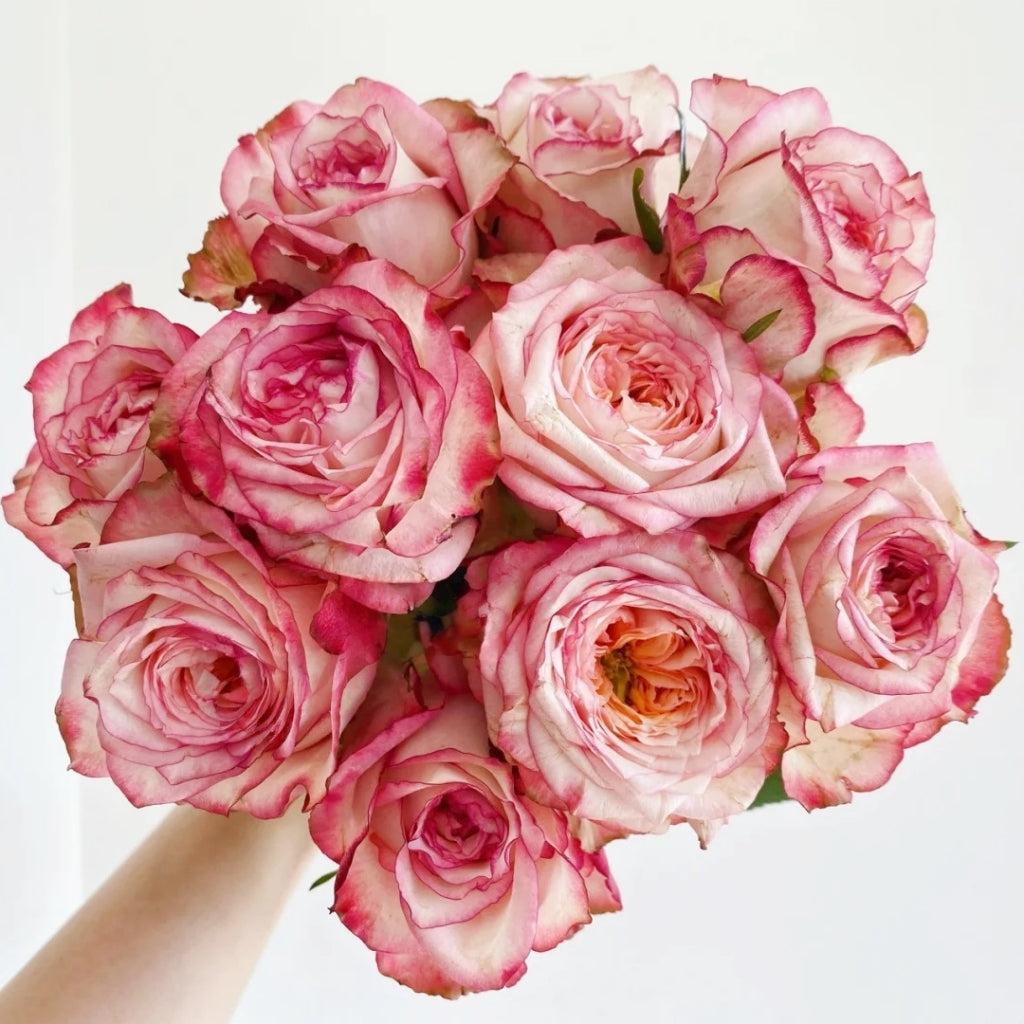
Embrace Romance: Your Guide to Growing the Exquisite Country Blues Rose
Roses have long been symbols of love, beauty, and passion, gracing gardens and homes with their timeless elegance. Among the myriad of varieties, some stand out for their unique charm and exceptional qualities. The Country Blues Rose is one such gem, a premium German-bred cut rose that captivates with its romantic pink hues and remarkably distinctive heart-shaped petals. If you're a North American gardener seeking a rose that combines classic beauty with robust performance, the Country Blues Rose offers an irresistible allure.
This article will serve as your ultimate guide to cultivating the Country Blues Rose, ensuring you unlock its full potential. We'll delve into its unique characteristics, explore the benefits it brings to your landscape, and provide a detailed growing and care regimen. From selecting the perfect planting site to mastering pruning techniques and troubleshooting common issues, you'll gain the knowledge needed to enjoy a profusion of these exquisite blooms. Prepare to transform your garden into a haven of romantic charm with the Country Blues Rose.
The Allure of the Country Blues Rose: A Detailed Overview
The Country Blues Rose isn't just another pink rose; it's a testament to refined breeding and natural artistry. Originating from Germany, this variety was specifically developed as a cut rose, meaning its blooms are designed for exceptional beauty, longevity, and form, both on the bush and in a vase.
Origin and Type
- Origin: Germany, known for its rigorous rose breeding programs.
- Rose Type: Primarily a cut rose, celebrated for its suitability in floral arrangements, but equally stunning as a garden specimen.
Plant Characteristics
As a 2-year-old live plant, the Country Blues Rose arrives with a strong root system, ready for vigorous growth and quick establishment in your garden. Its mature size and growth habit make it versatile for various landscape designs.
- Growth Status: Supplied as a 2-year-old live plant, ensuring a robust start and faster establishment compared to younger plants.
- Plant Height: Reaches an average height of 120cm (approximately 4 feet), making it an ideal choice for the middle or back of a garden bed, as a striking border plant, or even in a large container.
- Growth Habit: Forms compact shrubs with strong, upright branches, providing excellent structural integrity for its large blooms.
- Foliage: Features lush green leaves with a slight luster, contributing to its overall healthy and vibrant appearance.
- Resistance: Boasts good disease resistance and rain resistance, a significant advantage for gardeners looking for lower-maintenance roses that can withstand typical weather challenges.
Flower Features: The Heart of Its Beauty
The true magic of the Country Blues Rose lies in its extraordinary blooms, which are a feast for the eyes and a delight to the senses.
- Color: A captivating shade of pink, ranging from soft pastels to more vibrant tones depending on light and temperature, exuding a romantic and classic appeal.
- Flower Size: Impressive large blooms, measuring 8–10cm (3-4 inches) in diameter, ensuring they make a significant visual impact.
- Petal Count & Shape: Each bloom is densely packed with 50+ petals, which are uniquely curled and folded, creating a distinct heart shape at the center of the flower. This intricate detail sets it apart from many other rose varieties.
- Flower Buds: The flower buds are tall and dense, maintaining a well-maintained, elegant shape before unfurling into their full glory.
- Fragrance: Offers a light, subtle fragrance, pleasant without being overpowering, making it suitable for indoor arrangements and outdoor enjoyment.
- Flowering Period: Known for its long flowering period per individual flower, meaning each bloom lasts longer, extending the beauty in your garden and in your vase.
Why Choose the Country Blues Rose for Your Garden?
Beyond its stunning appearance, the Country Blues Rose offers a multitude of benefits that make it a highly desirable addition to any North American garden or a prized specimen for rose collectors.
- Unmatched Romantic Appeal: The unique heart-shaped petals and soft pink color create an undeniable sense of romance and elegance. It's a perfect choice for creating a dreamy garden aesthetic or for expressing affection through cut flowers.
- Exceptional for Cut Flowers: As a premium cut rose, its blooms are designed for longevity and beauty in a vase. The strong stems and long-lasting flowers make it ideal for creating breathtaking bouquets, centerpieces, and floral gifts.
- Robust and Resilient: Its good disease and rain resistance mean less worry for you. This resilience translates to a healthier plant with fewer interventions needed, making it suitable for both experienced gardeners and those new to rose cultivation.
- Versatile Garden Presence: Whether you're planning a formal rose garden, a cottage garden, or simply want a standout specimen, its compact shrub form and ideal height make it adaptable. It thrives in garden beds, borders, and even large patio containers.
- Continuous Beauty: With a long flowering period for each bloom and a tendency for repeat blooming throughout the season, the Country Blues Rose ensures a consistent display of its exquisite flowers from late spring until the first hard frost.
- Subtle Fragrance: The light fragrance adds another layer of sensory delight without overwhelming the senses, perfect for enjoying up close or in an indoor setting.
Growing Guide: Planting Your Country Blues Rose for Success
Proper planting is the foundation for a healthy, floriferous Country Blues Rose. Follow these steps to give your new rose the best possible start.
Site Selection
- Sunlight: Roses thrive in full sun, meaning at least 6-8 hours of direct sunlight per day. Choose a location that receives ample morning sun, which helps dry dew from the leaves and reduces the risk of fungal diseases.
- Soil: Well-draining, fertile soil is crucial. Roses prefer a slightly acidic to neutral pH (6.0-7.0). If your soil is heavy clay, amend it with organic matter like compost, peat moss, or well-rotted manure to improve drainage and fertility. For sandy soils, organic matter will help retain moisture and nutrients.
- Air Circulation: Ensure good air circulation around the plant to prevent fungal issues. Avoid planting too close to walls or other dense shrubs.
Planting Steps
- Prepare the Hole: Dig a hole that is wider and deeper than the root ball of your 2-year-old live plant. The hole should be wide enough to allow the roots to spread out comfortably.
- Amend the Soil: Mix the excavated soil with a generous amount of compost or other organic matter.
- Position the Rose: Carefully remove the rose from its container. If the roots are circling the pot, gently loosen them. Place the rose in the center of the hole so that the graft union (the swollen knob where the rose was budded onto the rootstock) is at or slightly above ground level in warmer climates (USDA Zones 7 and warmer) or 2-4 inches below ground level in colder climates (USDA Zones 6 and colder) for winter protection.
- Backfill and Water: Backfill the hole with the amended soil, gently firming it around the roots to remove air pockets. Water thoroughly immediately after planting to settle the soil.
- Mulch: Apply a 2-3 inch layer of organic mulch (such as shredded bark, compost, or pine needles) around the base of the plant, keeping it a few inches away from the main stem. Mulch helps retain soil moisture, regulate soil temperature, and suppress weeds.
Watering
- Initial Watering: Keep the soil consistently moist for the first few weeks after planting to help the rose establish its root system.
- Ongoing Watering: Once established, water deeply and regularly, especially during dry spells. Aim for 1-2 inches of water per week, either from rainfall or irrigation. Water at the base of the plant to avoid wetting the foliage, which can encourage fungal diseases. Early morning is the best time to water.
Fertilizing
- First Year: Wait until the first flush of blooms before applying a balanced rose fertilizer.
- Subsequent Years: Begin fertilizing in early spring as new growth emerges. Use a balanced granular rose fertilizer or a liquid feed according to package directions. Repeat every 4-6 weeks during the growing season, stopping about 6-8 weeks before your average first frost date to allow the plant to harden off for winter.
Care Tips: Nurturing Your Country Blues Rose
Consistent care will ensure your Country Blues Rose remains healthy and produces an abundance of its beautiful blooms.
Pruning
- Annual Pruning (Late Winter/Early Spring): This is the most important pruning. Remove any dead, damaged, or diseased canes. Cut back about one-third to one-half of the previous year's growth, shaping the bush to an open vase form to encourage air circulation. Make cuts at a 45-degree angle about 1/4 inch above an outward-facing bud.
- Deadheading (During Growing Season): As flowers fade, deadhead them by cutting the stem just above the first set of five leaflets. This encourages the plant to produce more blooms instead of putting energy into seed production.
- Summer Pruning: Lightly prune any crossing branches or weak growth to maintain shape and air circulation.
Pest and Disease Management
While the Country Blues Rose has good resistance, vigilance is key. Inspect your plants regularly for signs of pests or diseases.
- Common Pests: Aphids, spider mites, and rose slugs are common. Often, a strong spray of water can dislodge aphids. For more persistent issues, consider insecticidal soap or neem oil.
- Common Diseases: Black spot and powdery mildew can occur, especially in humid conditions. Ensure good air circulation, water at the base, and promptly remove any affected leaves. Fungicides can be used as a preventative or treatment if necessary, following product instructions carefully.
- Prevention: Choose a sunny site, ensure good air circulation, and keep the area around the rose clean of fallen leaves and debris.
Winter Protection (for Colder Zones)
In USDA Zones 6 and colder, some winter protection may be beneficial to ensure your Country Blues Rose thrives year after year.
- Mounding: After the first hard frost, mound soil, compost, or shredded leaves around the base of the plant, covering the graft union by 6-12 inches.
- Cane Protection: For very cold zones, you can wrap the canes with burlap or use rose cones. Remove protection gradually in early spring as temperatures rise.
Harvesting Cut Flowers
To enjoy your Country Blues Rose blooms indoors, follow these tips for harvesting:
- Timing: Cut roses in the early morning after the dew has dried, when the buds are showing color but haven't fully opened.
- Technique: Use sharp, clean pruners. Cut stems at an angle, leaving at least two sets of five-leaflet leaves on the plant to encourage new growth.
- Preparation: Immediately plunge the cut stems into a bucket of water. Once indoors, remove any leaves that would fall below the waterline in your vase to prevent bacterial growth. Recut the stems under water if possible before arranging.
Common Mistakes to Avoid with Your Country Blues Rose
Even with a resilient rose like Country Blues, certain missteps can hinder its performance. Being aware of these common mistakes can help you ensure a thriving plant.
- Under or Overwatering: Both extremes are detrimental. Underwatering leads to wilting and stress, while overwatering can cause root rot. Stick to deep, consistent watering.
- Insufficient Sunlight: Planting in too much shade will result in leggy growth, fewer blooms, and increased susceptibility to diseases. Remember, 6-8 hours of direct sun is ideal.
- Improper Pruning: Neglecting annual pruning can lead to a dense, unproductive bush. Conversely, over-pruning can remove too much flowering wood. Follow the guidelines for annual and deadheading pruning.
- Ignoring Pests and Diseases: While Country Blues is resistant, it's not immune. Ignoring early signs of trouble can lead to widespread problems. Regular inspection and prompt action are crucial.
- Planting Too Deep or Too Shallow: The position of the graft union relative to the soil line is important for the rose's long-term health, especially in varying climates.
- Lack of Mulch: Skipping mulch can lead to inconsistent soil moisture, more weeds, and fluctuating soil temperatures, all of which stress the plant.
Country Blues Rose vs. Other Pink Varieties: What Makes It Special?
The world of roses is vast, with countless pink varieties available. So, what sets the Country Blues Rose apart from its rosy counterparts?
- Unique Heart-Shaped Petals: This is arguably its most distinctive feature. While many roses have beautiful forms, the deliberate curling and folding of petals to create a heart shape is rare and adds an unparalleled romantic touch.
- German Breeding for Cut Flower Quality: Its origin as a German cut rose means it has been specifically bred for qualities important in floristry: strong stems, long vase life, and perfectly formed blooms. Many garden roses, while lovely, may not possess these specific attributes to the same degree.
- Balanced Resistance: Its good disease and rain resistance offer a practical advantage. While other pink roses might be stunning, they may require more intensive care or be more prone to common rose ailments.
- Subtle Fragrance: Not all beautiful roses are fragrant, and not all fragrant roses have the refined bloom form of Country Blues. Its light, pleasing scent strikes a perfect balance.
- Versatility: It excels both as a garden specimen and as a cut flower, offering dual utility that some single-purpose varieties might lack.
In essence, the Country Blues Rose isn't just a pretty face; it's a thoughtfully bred variety that combines unique aesthetic appeal with practical garden performance, making it a standout choice for discerning gardeners and rose enthusiasts.
Your Questions About Country Blues Rose Answered (FAQ)
Is the Country Blues Rose fragrant?
Yes, the Country Blues Rose has a light, pleasant fragrance. It's subtle enough not to be overpowering but adds a lovely sensory dimension to its beauty.
How tall does the Country Blues Rose typically grow?
This rose variety typically reaches a height of about 120cm (approximately 4 feet) at maturity, making it a good size for various garden applications.
Is the Country Blues Rose suitable for beginner gardeners?
Yes, its good disease and rain resistance, combined with its robust 2-year-old plant status, make it a relatively forgiving and rewarding rose for beginners. Following basic planting and care guidelines will ensure success.
How often does the Country Blues Rose bloom?
The Country Blues Rose is a repeat bloomer, meaning it will produce flushes of flowers throughout the growing season, from late spring until the first hard frost, especially with consistent deadheading.
Can I grow Country Blues Rose in a container?
Absolutely! Its compact shrub form and 120cm height make it an excellent candidate for container planting. Choose a large pot (at least 18-24 inches in diameter) with good drainage, and ensure consistent watering and feeding.
What makes the petals heart-shaped?
The petals of the Country Blues Rose are naturally curled and folded in a way that creates a distinctive heart shape at the center of the bloom. This is a unique genetic characteristic of this particular variety.
Bring the Romantic Charm of Country Blues to Your Home
The Country Blues Rose is more than just a plant; it's an invitation to cultivate beauty, romance, and enduring elegance in your garden. With its captivating pink blooms, unique heart-shaped petals, delicate fragrance, and robust resistance, it promises to be a cherished addition to any landscape or floral arrangement.
Imagine stepping into your garden and being greeted by a profusion of these exquisite flowers, or gracing your dining table with a bouquet that speaks volumes of love and appreciation. The Country Blues Rose offers not just visual splendor but also the satisfaction of nurturing a plant that truly stands out.
Ready to experience the unparalleled charm of this German-bred masterpiece? Explore our selection of Country Blues Roses today and begin your journey to a more beautiful, romantic garden. Your perfect pink rose awaits!