Harper Rose: Cultivating Elegance – Your Guide to Growing Stunning Pink & Peach-Pink Cut Roses with Exceptional Vase Life
Harper Rose: Cultivating Elegance – Your Guide to Growing Stunning Pink & Peach-Pink Cut Roses with Exceptional Vase Life
For gardeners and floral enthusiasts across North America, the allure of a truly exceptional cut rose is undeniable. Imagine a bloom that combines the delicate beauty of soft pink and peach-pink hues with a vase life that extends well over a week. Enter the Harper Rose, a premium Dutch variety that promises to transform your garden into a source of enduring elegance and your home into a gallery of fresh, vibrant floral arrangements.
In this comprehensive guide, we'll delve into everything you need to know about the Harper Rose. From its unique characteristics and the benefits it brings to your garden and home, to a detailed growing guide, essential care tips, and advice on avoiding common pitfalls. Whether you're a seasoned rose collector or just beginning your journey with these magnificent plants, the Harper Rose offers a rewarding experience. Prepare to cultivate a rose that stands out for its beauty, resilience, and remarkable longevity.
Harper Rose Unveiled: A Closer Look at This Dutch Beauty
The Harper Rose isn't just another rose; it's a testament to premium Dutch rose breeding, designed specifically for its exceptional qualities as a cut flower. Here's what makes this variety so special:
- Origin & Type: Hailing from the Netherlands, the Harper Rose is a premium cut rose, meticulously bred for its suitability in floral arrangements.
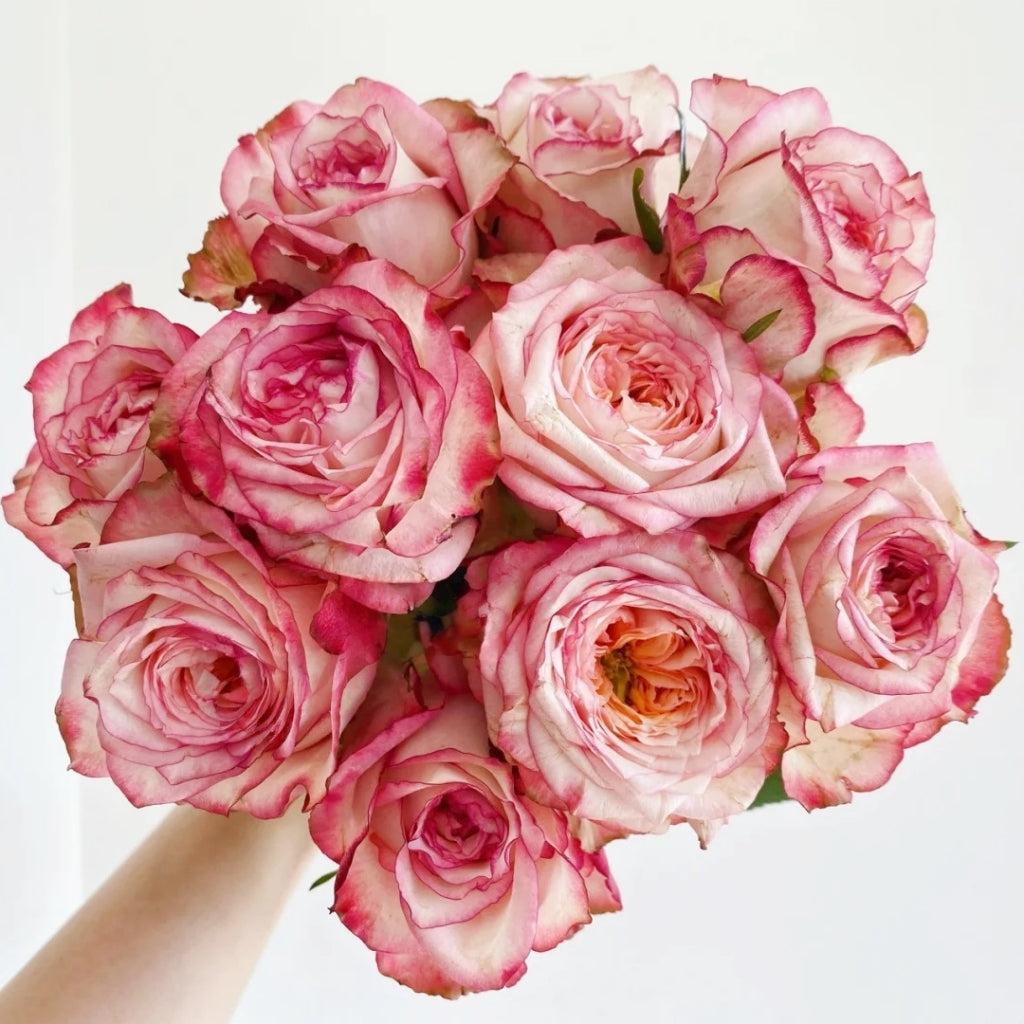
- Color Palette: Its most striking feature is its captivating color – a harmonious blend of soft pink and peach-pink petals. This gentle coloration lends itself to a wide range of aesthetic applications, from romantic bouquets to sophisticated centerpieces.
- Flower Size & Petal Count: Each bloom measures a charming 7-8 cm in diameter, featuring an impressive 80-90 petals. This high petal count creates a full, lush, and deeply layered appearance, giving each flower a luxurious feel. The flower bud height is approximately 4 cm, ensuring well-formed buds that open beautifully.
- Stem Length: With sturdy stems reaching 60-80 cm, the Harper Rose is perfectly proportioned for elegant bouquets and grand floral displays, providing ample length for creative arrangements.
- Vase Life: Perhaps its most celebrated attribute is its extraordinary vase life, lasting an impressive 11-14 days. This means your arrangements will stay fresh and beautiful for significantly longer than many other rose varieties.
- Fragrance: The Harper Rose is noted for having no fragrance. While some gardeners cherish scented roses, this characteristic makes Harper Rose an ideal choice for environments where strong scents are undesirable, such as hospitals, offices, or for individuals with fragrance sensitivities.
- Growth Status: We provide Harper Rose as a 2-year-old live plant with strong, established roots. This ensures a robust start in your garden, promoting faster establishment and reliable blooming.
Why Harper Rose is a Must-Have for Your North American Garden
Beyond its striking appearance, the Harper Rose offers a multitude of benefits that make it an invaluable addition for any gardener or floral enthusiast:
1. Unmatched Longevity in the Vase
The 11-14 day vase life is a game-changer. Imagine enjoying your fresh-cut roses for nearly two weeks! This makes Harper Rose incredibly cost-effective and satisfying, reducing the need for frequent replacements and extending the joy of your floral creations.
2. Exquisite & Versatile Aesthetics
The delicate pink and peach-pink hues are universally appealing, making Harper Rose suitable for a vast array of occasions and decor styles. From weddings and anniversaries to everyday elegance, its soft colors blend seamlessly, creating a romantic and sophisticated atmosphere. Its medium size and full petal count ensure a visually stunning bloom every time.
3. Ideal for Sensitive Environments
The absence of fragrance is a significant advantage for many. It means you can enjoy the visual splendor of roses without worrying about allergies or overwhelming scents, making it perfect for indoor spaces, public venues, or as a thoughtful gift for those sensitive to perfumes.
4. A Strong Start for Growing Success
Receiving a 2-year-old live plant with strong roots means you're investing in a rose that's already past its most vulnerable stage. This translates to quicker establishment in your garden, more vigorous growth, and earlier, more abundant blooms, giving you a head start on enjoying its beauty.
5. Premium Dutch Quality
Dutch rose breeding is renowned worldwide for its innovation, quality, and focus on superior cut flower characteristics. With Harper Rose, you're bringing a piece of that horticultural excellence into your own backyard, ensuring a plant bred for performance and beauty.
Planting Your Harper Rose for Success: A Growing Guide
To truly unlock the potential of your Harper Rose, proper planting is key. Follow these steps for a thriving plant:
1. Site Selection
- Sunlight: Roses thrive in full sun, meaning at least 6-8 hours of direct sunlight per day. Choose a spot that receives morning sun to dry dew from leaves, helping to prevent fungal diseases.
- Drainage: Excellent drainage is crucial. Roses hate "wet feet." If your soil is heavy clay, consider amending it significantly or planting in a raised bed.
- Air Circulation: Ensure good air circulation around the plant to minimize disease risk. Avoid planting too close to walls or other dense shrubs.
2. Soil Preparation
- Soil Type: Roses prefer rich, loamy soil.
- pH Level: Aim for a soil pH between 6.0 and 6.5 (slightly acidic). A soil test kit can help you determine your current pH.
- Amendments: Dig a hole twice as wide as the root ball and just as deep. Mix plenty of organic matter like compost, aged manure, or peat moss into the excavated soil. This improves drainage, aeration, and nutrient retention.
3. Planting Your Harper Rose
- Timing: The best time to plant bare-root roses is in early spring after the last frost, or in the fall, giving them time to establish roots before winter. Potted roses can be planted any time during the growing season.
- Preparation: Gently remove the rose from its container. If the roots are circling, gently tease them apart.
- Placement: Create a small mound of soil in the center of the planting hole. Spread the roots over this mound. The bud union (the knobby part where the rose was grafted) should be at or just above soil level in warmer climates (USDA Zones 7 and above), and 2-4 inches below soil level in colder climates (USDA Zones 6 and below) for winter protection.
- Backfill & Water: Backfill the hole with your amended soil, gently firming it around the roots to remove air pockets. Water deeply immediately after planting.
Nurturing Your Blooms: Essential Care Tips for Harper Rose
Consistent care will ensure your Harper Rose produces an abundance of beautiful, long-lasting blooms.
1. Watering
- Consistency is Key: Roses need consistent moisture, especially during dry spells and their blooming period. Water deeply at the base of the plant, aiming for 1-2 inches of water per week, either from rain or irrigation.
- Avoid Overhead Watering: Watering the foliage can encourage fungal diseases. Use a soaker hose or drip irrigation.
- Check Soil: Feel the soil a few inches down. If it's dry, it's time to water.
2. Fertilizing
- Start Strong: Begin fertilizing after the first flush of blooms in spring, or about a month after planting.
- Rose-Specific Formula: Use a balanced rose fertilizer, following the manufacturer's instructions. Look for formulations with micronutrients.
- Schedule: Fertilize every 4-6 weeks during the growing season, typically stopping about 6-8 weeks before your first expected frost to avoid encouraging new, tender growth that could be damaged by cold.
3. Pruning & Deadheading
- Dormant Pruning (Late Winter/Early Spring): This is the most important pruning. Remove dead, damaged, or diseased canes. Open up the center of the plant for better air circulation. Cut back canes to strong, outward-facing buds.
- Deadheading (During Growing Season): Remove spent blooms by cutting the stem back to a five-leaflet leaf, just above an outward-facing bud. This encourages the plant to produce more flowers instead of setting seeds.
- Maintenance Pruning: Throughout the season, remove any crossing branches or weak growth.
4. Pest and Disease Management
- Common Issues: Roses can be susceptible to aphids, spider mites, black spot, and powdery mildew.
- Prevention: Good air circulation, proper watering, and sanitation (cleaning up fallen leaves) are your first lines of defense.
- Treatment: For pests, a strong spray of water or insecticidal soap can be effective. For fungal diseases, consider organic fungicides or neem oil. Always identify the problem before treating.
5. Winter Protection (for Colder Climates)
- Mulching: In USDA Zones 6 and colder, once the ground freezes, mound 10-12 inches of mulch (compost, shredded leaves, or wood chips) around the base of the plant to protect the bud union and roots from extreme cold.
- Rose Cones/Collars: In very cold regions, consider using rose cones or collars filled with insulating material.
- Remove Protection: Gradually remove winter protection in early spring as temperatures warm.
Common Mistakes to Avoid with Harper Rose
Even experienced gardeners can make mistakes. Being aware of these common pitfalls can help ensure your Harper Rose thrives:
- Under or Overwatering: Both extremes are detrimental. Underwatering stresses the plant, while overwatering can lead to root rot. Stick to consistent, deep watering.
- Poor Air Circulation: Planting roses too close together or in a confined space creates a humid environment perfect for fungal diseases like black spot and powdery mildew.
- Ignoring Pests and Diseases: Early detection and treatment are crucial. A small problem can quickly escalate if left unaddressed.
- Improper Pruning: Hesitation to prune or incorrect pruning techniques can lead to leggy growth, fewer blooms, and increased disease susceptibility. Don't be afraid to prune!
- Planting in the Wrong Location: Insufficient sunlight, poor drainage, or competition from tree roots will severely hinder your rose's growth and bloom production.
- Neglecting Soil Health: Roses are heavy feeders. Failing to amend soil or fertilize regularly will result in weak plants and sparse blooms.
Harper Rose vs. Other Cut Roses: What Makes it Unique?
While many beautiful cut roses exist, the Harper Rose distinguishes itself through a combination of specific attributes that cater to particular gardener and floral designer needs:
- The Signature Pink & Peach-Pink Blend: Many roses are either pure pink or pure peach. Harper Rose's unique blend offers a sophisticated, nuanced color that is both soft and vibrant, making it exceptionally versatile for a wide range of palettes and occasions. It avoids the starkness of single-tone roses and the complexity of multi-color blends, striking a perfect balance.
- Exceptional Vase Life (11-14 Days): This is where Harper Rose truly shines. While many cut roses offer a 5-7 day vase life, Harper's extended freshness is a significant advantage. This means less waste, more enjoyment, and greater value for your efforts, whether you're cutting for personal enjoyment or for events.
- No Fragrance: A Benefit for Many: In a world where strong scents can be problematic, Harper Rose's lack of fragrance is a deliberate and valuable trait. It allows the visual beauty of the rose to be enjoyed without competing with other aromas or triggering sensitivities, making it ideal for professional settings, dining tables, or gifts.
- Dutch Breeding Excellence: The Netherlands is a global leader in floriculture, and Dutch-bred roses are known for their robust health, consistent bloom quality, and specific traits optimized for the cut flower industry. Harper Rose embodies this legacy, offering reliability and superior performance.
- Robust 2-Year-Old Plant: Starting with a well-established, 2-year-old plant gives Harper Rose an edge over younger, less developed specimens. This means quicker establishment, stronger growth, and a faster path to abundant blooms in your garden.
When you choose Harper Rose, you're not just getting a pretty flower; you're investing in a rose specifically engineered for enduring beauty and practical versatility, setting it apart in the crowded world of cut roses.
Frequently Asked Questions About Harper Rose
Q: Is the Harper Rose fragrant?
A: No, the Harper Rose is noted for having no fragrance. This makes it an excellent choice for those who prefer unscented blooms or for use in environments where strong scents are undesirable.
Q: How long do Harper Roses last in a vase?
A: The Harper Rose boasts an impressive vase life of 11-14 days, allowing you to enjoy your fresh-cut arrangements for nearly two weeks.
Q: What are the ideal growing conditions for Harper Rose?
A: Harper Roses thrive in full sun (at least 6-8 hours daily) and well-drained, rich, loamy soil with a pH between 6.0 and 6.5. Good air circulation is also important to prevent diseases.
Q: When does Harper Rose bloom?
A: Like many modern roses, Harper Rose is a repeat bloomer, producing flushes of flowers throughout the growing season, typically from late spring until the first hard frost.
Q: Can I grow Harper Rose in a container?
A: Yes, Harper Rose can be successfully grown in a large container (at least 15-20 gallons) with good drainage. Ensure you provide consistent watering and feeding, as container plants dry out faster and deplete nutrients more quickly.
Q: Is Harper Rose disease resistant?
A: While no rose is entirely immune, Harper Rose, being a premium Dutch variety, is bred for robustness. With proper care, including good air circulation, appropriate watering, and timely feeding, it can maintain good health. Vigilance for common rose ailments like black spot or powdery mildew is always recommended.
Q: How tall do Harper Rose stems get?
A: The stems of Harper Rose typically reach a length of 60-80 cm, making them ideal for cutting and creating elegant bouquets and floral arrangements.
Bring the Enduring Beauty of Harper Rose to Your Garden
The Harper Rose offers a compelling combination of visual splendor, remarkable longevity, and practical versatility. Its soft pink and peach-pink hues provide a touch of romantic elegance, while its exceptional vase life ensures that beauty endures, gracing your home with fresh blooms for nearly two weeks.
Whether you're an avid gardener seeking a reliable and stunning cut flower, a floral designer looking for a consistent, long-lasting bloom, or simply someone who appreciates the timeless charm of roses, the Harper Rose is an investment in enduring beauty. With the right care and attention, this premium Dutch variety will reward you with an abundance of exquisite flowers, ready to be admired in your garden or transformed into breathtaking arrangements.
Ready to experience the elegance and longevity of the Harper Rose for yourself? Explore this exceptional variety and imagine the stunning bouquets you'll create.