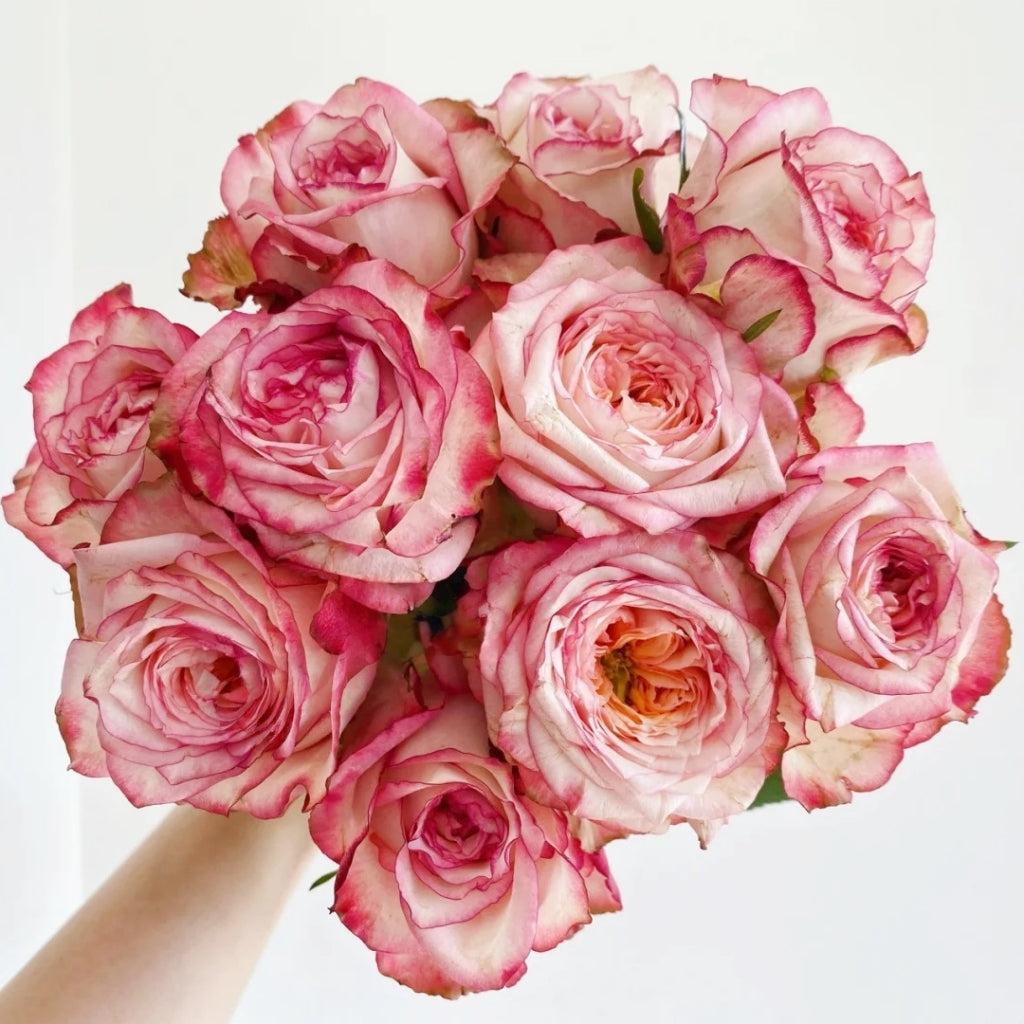
The Enchanting Pink Amaretto Rose: A Symphony of Color and Fragrance for Your Garden and Vase
The Enchanting Pink Amaretto Rose: A Symphony of Color and Fragrance for Your Garden and Vase
There's a special kind of magic that a rose brings to a garden, a blend of timeless elegance and captivating allure. Among the myriad of exquisite varieties, the Pink Amaretto Rose stands out as a true gem, offering a unique combination of visual splendor, delicate fragrance, and remarkable longevity. For North American gardeners, rose collectors, and anyone who appreciates the beauty of a freshly cut bloom, this German-bred masterpiece is an absolute must-have.
Imagine a rose that transforms before your eyes, beginning with soft pinks and subtle green edges, gradually unfolding into creamy apricots and peaches. Add to that a fresh, delicate tea fragrance that invites you closer, and an astonishing vase life that keeps your floral arrangements vibrant for weeks. This is the promise of the Pink Amaretto Rose, a variety specifically celebrated for its exceptional qualities as a cut flower, but equally stunning as a living sculpture in your landscape.
In this comprehensive guide, we'll delve into everything you need to know about the Pink Amaretto Rose, from its unique characteristics to expert growing tips and care advice, ensuring you can cultivate this extraordinary beauty with confidence and enjoy its bountiful rewards.
What Makes the Pink Amaretto Rose So Special? A Detailed Overview
The Pink Amaretto Rose isn't just another pretty face in the garden; it's a carefully cultivated variety designed to deliver an unparalleled experience. Here's a closer look at what sets it apart:
A Kaleidoscope of Color
Perhaps its most striking feature is its dynamic color palette. The blooms begin as soft pinks, often with the outermost petals touched with a delicate pale green, hinting at the fresh beauty within. As the flower gradually opens, these hues evolve, deepening into creamy apricot and peach tones. This captivating color progression ensures that each stage of the bloom offers a new visual delight, making it a focal point in any garden or arrangement.
Delicate Tea Fragrance
Beyond its visual appeal, the Pink Amaretto Rose offers a fresh and delicate tea fragrance. It's not an overpowering scent, but rather a subtle, inviting aroma that adds another layer of sensory pleasure to your garden and home. This gentle perfume is a hallmark of classic roses and contributes significantly to its charm.
Perfectly Formed Blooms
Each flower boasts a beautiful cup-shaped form, typically measuring 8-10 cm in diameter, and composed of 35-40 lush petals. This generous petal count gives the blooms a full, luxurious appearance, reminiscent of old garden roses while maintaining the crispness of a modern cut flower.
Exceptional Vase Life
This is where the Pink Amaretto Rose truly shines as a cut flower. With an exceptionally long vase life of over two weeks, these roses will grace your indoor spaces with their beauty far longer than many other varieties. Imagine enjoying fresh, homegrown rose bouquets that last and last, bringing continuous joy and elegance to your home.
A Robust Live Plant
When you acquire a Pink Amaretto Rose, you're typically receiving a 2-year-old live plant with strong, established roots. This means it's already past its most vulnerable seedling stage, offering a head start and a greater chance of successful establishment and vigorous growth in your garden. The plant itself grows to a manageable height of 80-100 cm, making it suitable for various garden settings.
Benefits of Growing Pink Amaretto Rose
Choosing the Pink Amaretto Rose for your garden brings a host of advantages:
- Stunning Garden Presence: Its evolving colors and elegant form make it a showstopper in borders, rose beds, or as a specimen plant.
- Superior Cut Flowers: If you love bringing fresh flowers indoors, its incredible vase life means you'll enjoy long-lasting, professional-quality bouquets from your own garden.
- Delightful Fragrance: The subtle tea scent adds an extra dimension of enjoyment, enhancing your garden's sensory appeal.
- Reliable Growth: As a 2-year-old live plant with strong roots, it offers a more robust start, leading to quicker establishment and flowering.
- Versatile Use: Ideal for cutting gardens, cottage gardens, formal rose beds, or even larger containers.
- Conversation Starter: Its unique color progression is sure to draw admiration and inquiries from visitors.
Growing Guide: Cultivating Your Pink Amaretto Rose
To ensure your Pink Amaretto Rose thrives and produces an abundance of its beautiful blooms, follow these essential growing guidelines:
1. Choosing the Right Location
- Sunlight: Roses are sun-lovers! Choose a spot that receives at least 6-8 hours of direct sunlight per day. Morning sun is particularly beneficial as it helps dry dew from the leaves, reducing the risk of fungal diseases.
- Air Circulation: Good air circulation is crucial. Avoid planting roses too close to walls or other dense plantings that can restrict airflow.
- Drainage: Ensure the site has excellent drainage. Roses hate "wet feet."
2. Soil Preparation
- Rich, Well-Drained Soil: Pink Amaretto Roses prefer a rich, loamy soil that drains well but retains some moisture.
- Amendments: Before planting, amend your soil generously with organic matter such as compost, well-rotted manure, or peat moss. This improves soil structure, fertility, and drainage.
- pH Level: Roses generally prefer a slightly acidic to neutral pH, ideally between 6.0 and 6.5. A soil test can help you determine if amendments are needed to adjust the pH.
3. Planting Your Live Plant
Since you're starting with a 2-year-old live plant with strong roots, the planting process is straightforward:
- Digging the Hole: Dig a hole that is twice as wide as the root ball and deep enough so that the graft union (the knobby part where the rose was budded onto the rootstock) is at or slightly below soil level in colder climates (USDA Zones 5-6) or at soil level in warmer climates (USDA Zones 7-9).
- Placement: Carefully remove the rose from its container, gently loosening any circling roots. Place the plant in the center of the hole.
- Backfilling: Backfill the hole with your amended soil, gently tamping it down to remove air pockets.
- Watering: Water thoroughly immediately after planting to settle the soil around the roots.
4. Watering
- Consistency is Key: Roses need consistent moisture, especially during dry spells and when establishing.
- Deep Watering: Water deeply and less frequently rather than shallowly and often. This encourages roots to grow deeper, making the plant more drought-tolerant. Aim for 1-2 inches of water per week, adjusting for rainfall.
- Method: Water at the base of the plant to avoid wetting the foliage, which can promote fungal diseases. Drip irrigation or soaker hoses are ideal.
5. Fertilizing
- Regular Feeding: Roses are heavy feeders. Begin fertilizing in early spring after the first flush of new growth appears.
- Rose-Specific Fertilizer: Use a balanced granular rose fertilizer or a liquid feed according to package directions.
- Frequency: Fertilize every 4-6 weeks during the growing season, stopping about 6-8 weeks before your first anticipated frost to allow the plant to harden off for winter.
Care Tips for a Thriving Pink Amaretto Rose
Beyond the basics of growing, a few care practices will help your Pink Amaretto Rose reach its full potential:
Pruning for Health and Blooms
- Annual Pruning (Late Winter/Early Spring): This is the most important pruning. Remove any dead, diseased, or damaged canes. Cut back about one-third of the plant's height, shaping it into an open vase form to encourage air circulation.
- Deadheading (During Growing Season): As blooms fade, "deadhead" them by cutting the spent flower stem back to a strong, outward-facing leaf with five leaflets. This encourages the plant to produce more blooms instead of putting energy into seed production.
- Maintenance Pruning: Throughout the season, remove any weak, crossing, or inward-growing branches.
Pest and Disease Management
- Vigilance: Regularly inspect your rose for signs of pests (aphids, spider mites) or diseases (black spot, powdery mildew).
- Early Intervention: Address problems promptly. Often, a strong spray of water can dislodge aphids. For fungal issues, ensure good air circulation and consider organic fungicides if necessary.
- Prevention: Choose disease-resistant varieties (like the Pink Amaretto Rose is bred to be robust), maintain good cultural practices, and keep the area around your rose clean.
Winter Protection (for Colder Climates)
In USDA Zones 5 and below, winter protection is often necessary:
- Mounding: After the first hard frost, mound soil, compost, or shredded leaves around the base of the plant to a height of 10-12 inches.
- Rose Cones: In very cold areas, you might place a rose cone over the mound for added insulation.
- Delay Pruning: Avoid heavy pruning in fall, as new growth stimulated by pruning can be damaged by winter cold.
Common Mistakes to Avoid
Even experienced gardeners can make mistakes. Here are some common pitfalls to steer clear of when growing your Pink Amaretto Rose:
- Insufficient Sunlight: Not enough sun leads to leggy growth, fewer blooms, and increased susceptibility to disease.
- Overwatering or Underwatering: Both extremes are detrimental. Stick to deep, consistent watering.
- Improper Pruning: Neglecting annual pruning can lead to a tangled, less vigorous plant with fewer flowers. Pruning too late in fall can encourage tender new growth that gets damaged by frost.
- Ignoring Pests and Diseases: Small problems can quickly escalate. Regular inspection and prompt action are key.
- Planting Too Deep or Too Shallow: Pay attention to the graft union placement during planting for optimal growth.
- Lack of Fertilization: Roses are hungry plants. Without adequate nutrients, they won't perform their best.
Comparing Pink Amaretto Rose to Other Cut Roses
While many roses offer beauty and fragrance, the Pink Amaretto Rose truly distinguishes itself, especially in the realm of cut flowers. Compared to more traditional hybrid teas or floribundas, its unique selling points include:
- Unrivaled Vase Life: "Over two weeks" is an exceptional claim that few other garden roses can match. This makes it a superior choice for anyone wanting to enjoy their homegrown blooms indoors for an extended period.
- Dynamic Color Progression: Many roses have a consistent color throughout their bloom cycle. The Pink Amaretto's journey from soft pink with green edges to creamy apricot offers a captivating visual evolution that adds depth and interest to any bouquet.
- Delicate Fragrance: While some modern cut roses prioritize bloom form and vase life over scent, the Pink Amaretto Rose successfully combines all these desirable traits, offering a lovely, fresh tea fragrance without being overwhelming.
- Robust Plant: Starting with a 2-year-old live plant with strong roots gives it a significant advantage in establishment and overall garden performance compared to bare-root or smaller plants.
If you're looking for a rose that delivers consistent beauty, a delightful scent, and an astonishingly long-lasting presence in your home, the Pink Amaretto Rose stands in a league of its own.
Frequently Asked Questions About Pink Amaretto Rose
Q: Is the Pink Amaretto Rose disease resistant?
A: While no rose is completely immune to all diseases, the Pink Amaretto Rose is bred for robustness and generally exhibits good resistance to common rose ailments when grown in optimal conditions with good air circulation and proper care. Regular inspection and preventative measures are always recommended.
Q: How long does the Pink Amaretto Rose bloom?
A: Like many modern roses, the Pink Amaretto Rose is a repeat bloomer, meaning it will produce flushes of flowers throughout the growing season, typically from late spring until the first hard frost. Consistent deadheading will encourage more continuous blooming.
Q: Can I grow Pink Amaretto Rose in a container?
A: Yes, its mature height of 80-100 cm makes it suitable for large containers (at least 18-24 inches in diameter) on patios or balconies. Ensure the container has excellent drainage, use a high-quality potting mix, and be diligent with watering and fertilizing, as container plants dry out faster and require more frequent feeding.
Q: What USDA Hardiness Zones is this rose suitable for?
A: The Pink Amaretto Rose typically thrives in USDA Hardiness Zones 5-9. In colder zones (5-6), winter protection will be essential. In warmer zones (9+), ensure it receives adequate water and some afternoon shade during the hottest parts of the day.
Q: What does "cut rose" mean?
A: "Cut rose" refers to varieties specifically bred for their qualities as cut flowers, meaning they have strong stems, beautiful bloom forms, and, most importantly, an excellent vase life. The Pink Amaretto Rose excels in all these aspects.
Ready to Welcome the Pink Amaretto Rose into Your Garden?
The Pink Amaretto Rose is more than just a plant; it's an experience. From its captivating color transitions and delicate tea fragrance to its exceptional longevity as a cut flower, it offers a truly rewarding addition to any garden or home. Imagine the joy of stepping into your garden to snip a fresh bouquet, knowing its beauty will grace your table for weeks on end.
Whether you're a seasoned rose enthusiast or looking to add a truly special variety to your collection, the Pink Amaretto Rose promises to deliver beauty, elegance, and a touch of magic. Explore its unique charm and discover why this German-bred beauty is quickly becoming a favorite among North American gardeners.
Don't miss the opportunity to cultivate this extraordinary rose. Your garden, and your home, will thank you for it.