Unveiling the Royal Blush Rose: Your Guide to Growing Elegant Dutch Pink Blooms
Unveiling the Royal Blush Rose: Your Guide to Growing Elegant Dutch Pink Blooms
Imagine a rose that brings a touch of sophisticated charm to your garden and a delicate elegance to your indoor arrangements. The Royal Blush Rose, a premium Dutch variety, is precisely that – a stunning addition that promises to captivate with its evolving pink hues and lush, full blooms. Released in 2024, this modern cut rose embodies the best of Dutch breeding, offering both beauty and resilience to North American gardeners.
Whether you're a seasoned rosarian or just beginning your journey with these beloved flowers, the Royal Blush Rose offers a rewarding experience. Its unique color transition, from a vibrant pink to a softer blush as it matures, ensures a dynamic display throughout its blooming season. In this comprehensive guide, we'll delve into everything you need to know about cultivating this exquisite rose, from its unique characteristics to expert planting and care tips, ensuring your Royal Blush thrives and graces your home with its regal presence.
Meet the Royal Blush Rose: A Symphony in Pink
The Royal Blush Rose stands out as a testament to superior rose breeding. Hailing from the Netherlands, a renowned hub for horticultural innovation, this variety was specifically developed as a premium cut rose, meaning it possesses qualities highly prized by florists and home gardeners alike for its beauty in arrangements.
Key Characteristics:
- Origin & Type: A true Dutch Premium Rose, bred for excellence as a cut flower.
- Release Year: 2024, making it a fresh and exciting new introduction to the rose world.
- Plant Status: You receive a robust 2-year-old live plant with strong, established roots, giving it a significant head start in your garden.
- Mature Height: Expect your Royal Blush Rose to reach a graceful height of 80-100cm, making it ideal for both garden beds and cut flower production.
- Fragrance: It carries a light, subtle fragrance – pleasant and never overpowering, perfect for indoor enjoyment.
- Cold Resistance: Adaptable to a wide range of climates, thriving in USDA Hardiness Zones 6b-9b.
Exquisite Flower Features:
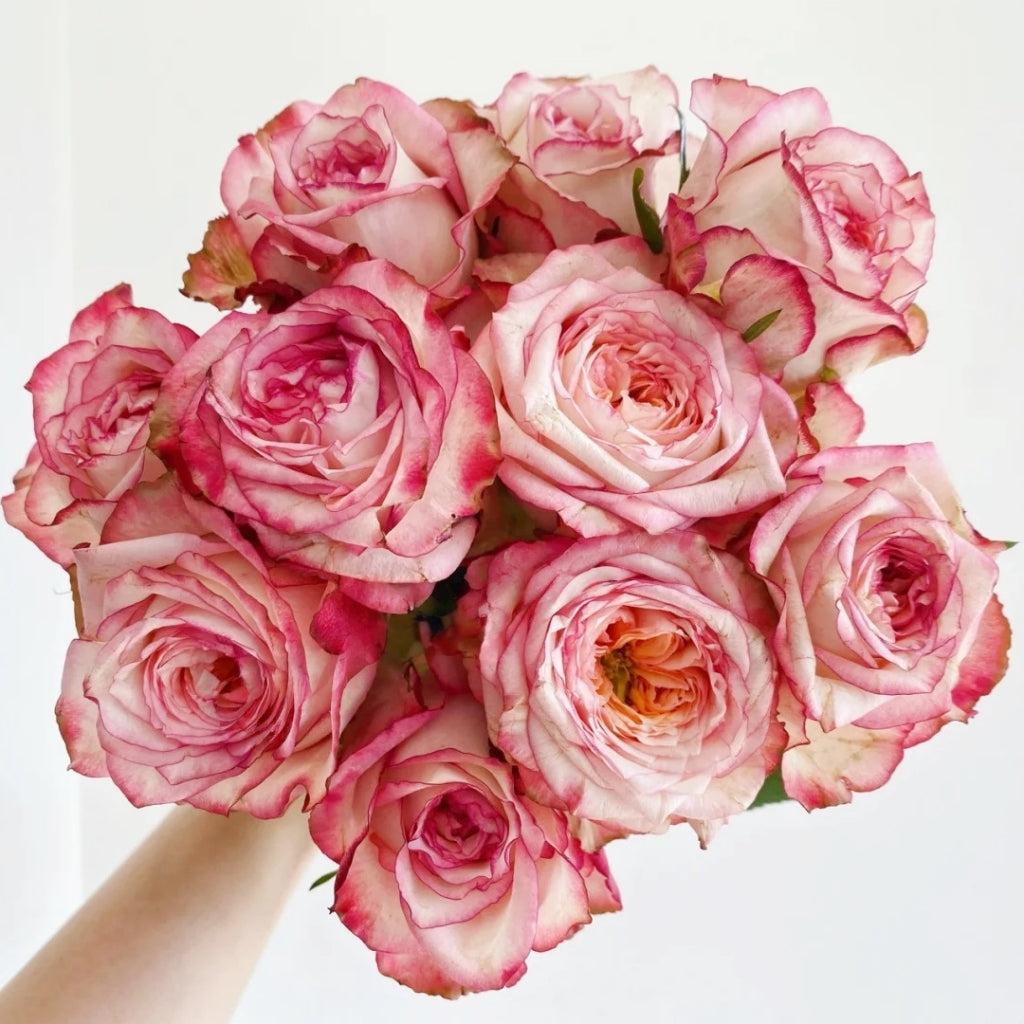
- Color Palette: The blooms emerge in a charming pink hue that gradually softens and lightens as the flower matures, creating a beautiful gradient effect on a single bush.
- Flower Size: Each blossom measures between 6-8 cm in diameter, a medium size that is both charming and substantial.
- Petal Count: Very full, with 41+ petals per bloom, giving them a lush, layered, and luxurious texture.
- Shape: The flowers boast a classic rounded shape, reminiscent of traditional garden roses, evoking a sense of timeless romance.
- Blooming Habit: Known for its multiple heads, this rose produces an abundance of blooms, ensuring a continuous supply for cutting and a spectacular display in your garden.
Why Choose Royal Blush? The Benefits for Your Garden and Home
Beyond its striking appearance, the Royal Blush Rose offers a multitude of advantages that make it a highly desirable choice for any gardener.
1. Unparalleled Cut Flower Potential
As a premium cut rose, the Royal Blush is specifically bred for arrangements. Its sturdy stems, ideal flower size, and excellent vase life mean you can snip fresh, elegant bouquets directly from your garden to adorn your dining table, brighten a living space, or share with loved ones. Imagine the joy of creating your own floral masterpieces with these exquisite blooms.
2. Evolving Beauty with a Unique Color Transition
The gradual lightening of its pink hue as the flowers mature is a truly captivating feature. This dynamic color shift adds depth and interest to your garden, allowing you to enjoy a spectrum of pinks on a single plant. It's like having multiple varieties in one, offering visual intrigue throughout the blooming season.
3. Lush, Full Blooms for a Luxurious Look
With over 41 petals per bloom, the Royal Blush Rose delivers a rich, opulent texture. These very full flowers create a sense of abundance and luxury, making a strong visual impact whether viewed up close or from a distance. They embody the classic, romantic ideal of a garden rose.
4. Robust Growth and a Head Start
Receiving a 2-year-old live plant with strong roots means you're investing in a rose that's ready to thrive. This established growth significantly reduces the time it takes for the plant to settle in and produce abundant blooms, allowing you to enjoy its beauty sooner.
5. Versatile for Various Garden Styles
Its elegant form and adaptable nature make the Royal Blush Rose suitable for a wide array of garden designs. Plant it in a dedicated rose bed, integrate it into a mixed perennial border, or even feature it as a stunning specimen plant. Its moderate height also makes it suitable for larger containers on patios or balconies, provided they offer ample space for root growth.
6. Subtle, Pleasing Fragrance
While not intensely fragrant, the Royal Blush Rose offers a light, pleasant aroma. This subtle scent adds another layer of sensory delight without being overwhelming, making it perfect for indoor arrangements where a gentle perfume is often preferred.
A Gardener's Guide: Planting Your Royal Blush Rose
To ensure your Royal Blush Rose flourishes, proper planting is crucial. Follow these steps for a successful start.
1. Site Selection: Sun, Sun, Sun!
- Sunlight: Roses are sun-worshippers. Choose a spot that receives at least 6-8 hours of direct sunlight per day. More sun generally means more blooms.
- Air Circulation: Good air circulation helps prevent fungal diseases. Avoid planting too close to walls or other dense plantings.
- Drainage: Ensure the site has excellent drainage. Roses hate "wet feet," which can lead to root rot.
2. Soil Preparation: The Foundation for Success
- Rich & Well-Draining: Roses thrive in fertile, well-draining soil. If your soil is heavy clay, amend it generously with organic matter like compost, aged manure, or peat moss. For sandy soil, organic matter will help retain moisture and nutrients.
- pH Level: Aim for a slightly acidic to neutral pH, ideally between 6.0 and 6.5. A soil test can help you determine your current pH and suggest amendments if needed.
3. The Planting Process
- Dig the Hole: Dig a hole that is twice as wide as the rose's root ball and just as deep. This allows the roots to spread out comfortably.
- Prepare the Plant: Carefully remove the rose from its container. Gently loosen any circling roots at the bottom.
- Position the Rose: Place the rose in the center of the hole. The bud union (the knobby part where the rose was grafted) should be at or just above ground level in warmer climates (zones 7-9b) and about 1-2 inches below ground level in colder climates (zones 6b) for added winter protection.
- Backfill: Backfill the hole with your amended soil, gently firming it around the roots to remove air pockets.
- Water Thoroughly: Water deeply immediately after planting to settle the soil.
- Mulch: Apply a 2-3 inch layer of organic mulch (like shredded bark or compost) around the base of the plant, keeping it a few inches away from the main stem. This helps retain moisture, regulate soil temperature, and suppress weeds.
4. Timing is Key
The best times to plant roses are in early spring after the last frost, or in the fall, giving the plant time to establish roots before winter dormancy.
Nurturing Your Royal Blush: Essential Care Tips
Once planted, consistent care will ensure your Royal Blush Rose produces a spectacular display year after year.
1. Watering: Deep and Consistent
- Frequency: Roses need regular, deep watering, especially during dry spells and in their first year. Aim for 1-2 inches of water per week, either from rainfall or irrigation.
- Method: Water at the base of the plant to avoid wetting the foliage, which can encourage fungal diseases. Drip irrigation or soaker hoses are ideal. Water in the morning so any moisture on leaves can dry quickly.
2. Fertilizing: Fueling the Blooms
- Schedule: Begin fertilizing in early spring when new growth appears. Continue every 4-6 weeks throughout the growing season, stopping about 6-8 weeks before your first expected frost to allow the plant to harden off for winter.
- Type: Use a balanced rose fertilizer or a slow-release granular fertilizer specifically formulated for roses. Follow product instructions carefully.
3. Pruning: Shaping for Health and Blooms
- Dormant Pruning (Late Winter/Early Spring): This is the most important pruning. Remove dead, diseased, or damaged wood. Cut back canes by about one-third to one-half to encourage strong new growth and a desired shape. Aim for an open center to improve air circulation.
- Deadheading (Throughout Blooming Season): As flowers fade, cut them back to the first set of five leaves facing outwards. This encourages the plant to produce more blooms rather than putting energy into seed production.
- Maintenance Pruning: Throughout the season, remove any weak, spindly, or crossing branches to maintain good air circulation and plant health.
4. Pest and Disease Management: Vigilance is Key
Roses can be susceptible to certain pests and diseases, but early detection and treatment are key.
- Common Pests: Aphids, spider mites, and Japanese beetles are common culprits. Hand-picking, a strong spray of water, or insecticidal soap can often manage minor infestations.
- Common Diseases: Black spot and powdery mildew are fungal diseases often exacerbated by poor air circulation or wet foliage. Choose disease-resistant varieties (like Royal Blush often is), ensure good air flow, and water at the base. Organic fungicides or horticultural oils can be used if necessary.
- Regular Inspection: Inspect your roses regularly for any signs of trouble, allowing for prompt action.
5. Winter Protection (for Zone 6b)
In colder parts of its hardiness range (Zone 6b), some winter protection can be beneficial.
- Mounding: After the first hard frost, mound soil, compost, or shredded leaves around the base of the plant to a height of 10-12 inches.
- Covering: In very exposed areas, a rose cone or burlap wrap can offer additional protection from harsh winds and extreme cold.
Common Mistakes to Avoid for a Thriving Royal Blush Rose
Even experienced gardeners can make mistakes. Being aware of these common pitfalls can save you a lot of trouble.
- Insufficient Sunlight: Planting in too much shade will result in leggy growth, fewer blooms, and increased susceptibility to disease. Remember, 6-8 hours of direct sun is essential.
- Poor Drainage: Root rot is a silent killer for roses. Ensure your soil drains well; if it doesn't, amend it before planting.
- Inconsistent Watering: Allowing the soil to dry out completely between waterings, or conversely, overwatering, stresses the plant. Aim for consistent moisture.
- Neglecting Pruning: Skipping dormant pruning leads to overcrowded, weak plants with reduced flowering. Deadheading is crucial for continuous blooms.
- Ignoring Pests and Diseases: A small problem can quickly escalate. Regular inspection and prompt action are vital to keep your rose healthy.
- Planting Too Deep or Too Shallow: Pay attention to the bud union placement relative to your climate zone.
Royal Blush Rose vs. Other Pink Varieties: What Makes It Unique?
The world of pink roses is vast and beautiful, so what sets the Royal Blush Rose apart? While many pink roses offer charm, the Royal Blush brings a distinct combination of modern breeding and classic appeal.
- Dutch Breeding Excellence: Its origin in the Netherlands signifies a commitment to high-quality genetics, often resulting in improved disease resistance, vigor, and bloom quality compared to older, less refined varieties.
- The Evolving Pink Hue: Unlike many pink roses that maintain a consistent shade, the Royal Blush's unique characteristic of lightening as it matures offers a dynamic visual experience. This subtle gradient adds depth and interest that few other varieties can match.
- Premium Cut Flower Qualities: While many garden roses can be cut, the Royal Blush is specifically bred for this purpose. This means it likely boasts stronger stems, better vase life, and a more consistent bloom shape – qualities not always prioritized in purely garden-focused roses.
- High Petal Count & Classic Form: With 41+ petals and a rounded, garden rose shape, it delivers that lush, romantic look often associated with old-fashioned roses, but with the benefits of modern breeding, such as improved repeat blooming.
- New Release (2024): Being a new introduction means it incorporates the latest advancements in rose breeding, potentially offering better performance and novel characteristics compared to established varieties.
When you choose Royal Blush, you're not just getting another pink rose; you're investing in a carefully cultivated variety designed for both stunning garden presence and exceptional cut flower performance, with a unique color story all its own.
Frequently Asked Questions (FAQ) About the Royal Blush Rose
Q: How tall does the Royal Blush Rose typically grow?
A: The Royal Blush Rose generally reaches a height of 80-100cm (approximately 31-39 inches), making it a medium-sized rose suitable for various garden applications.
Q: Does the Royal Blush Rose have a strong fragrance?
A: It has a light fragrance. It's pleasant and subtle, making it enjoyable without being overpowering, especially for indoor arrangements.
Q: What USDA Hardiness Zones is the Royal Blush Rose hardy in?
A: The Royal Blush Rose is cold-resistant in USDA Hardiness Zones 6b-9b, meaning it can tolerate winter temperatures down to -5°F to 0°F (-20.6°C to -17.8°C) in Zone 6b with appropriate winter protection.
Q: Can I grow Royal Blush Rose in a container?
A: Yes, you can! Due to its moderate height, it can thrive in a large container (at least 15-20 gallons) with good drainage. Ensure consistent watering and feeding, as container plants dry out faster and require more nutrients.
Q: When does the Royal Blush Rose bloom?
A: As a modern rose, the Royal Blush Rose is a repeat bloomer. It will typically begin flowering in late spring or early summer and continue to produce flushes of blooms throughout the growing season until the first hard frost.
Q: Is the Royal Blush Rose good for cutting and making bouquets?
A: Absolutely! It is specifically bred as a premium Dutch cut rose. Its sturdy stems, ideal flower size, and beautiful form make it an excellent choice for creating stunning floral arrangements.
Q: How many petals does a Royal Blush Rose bloom have?
A: Each bloom is very full, featuring 41 or more petals, contributing to its lush and luxurious appearance.
Bring Royal Elegance Home: Your Royal Blush Rose Awaits
The Royal Blush Rose is more than just a plant; it's an invitation to cultivate beauty, create stunning bouquets, and enjoy the timeless charm of one of nature's most beloved flowers. With its captivating pink hues, abundant full blooms, and robust growth, it promises to be a cherished addition to your garden and home.
Imagine the joy of stepping into your garden and harvesting these exquisite blooms, watching their color gently shift from vibrant pink to a soft blush. Picture them gracing your kitchen counter or becoming the centerpiece of a special occasion. The Royal Blush Rose offers all this and more.
Ready to introduce this regal beauty to your landscape? Embrace the elegance and discover the rewarding experience of growing the Royal Blush Rose. Your garden – and your home – will thank you for it.