Unveiling the Summer Song Rose: A Guide to David Austin's Fragrant Orange Shrub
Unveiling the Summer Song Rose: A Guide to David Austin's Fragrant Orange Shrub
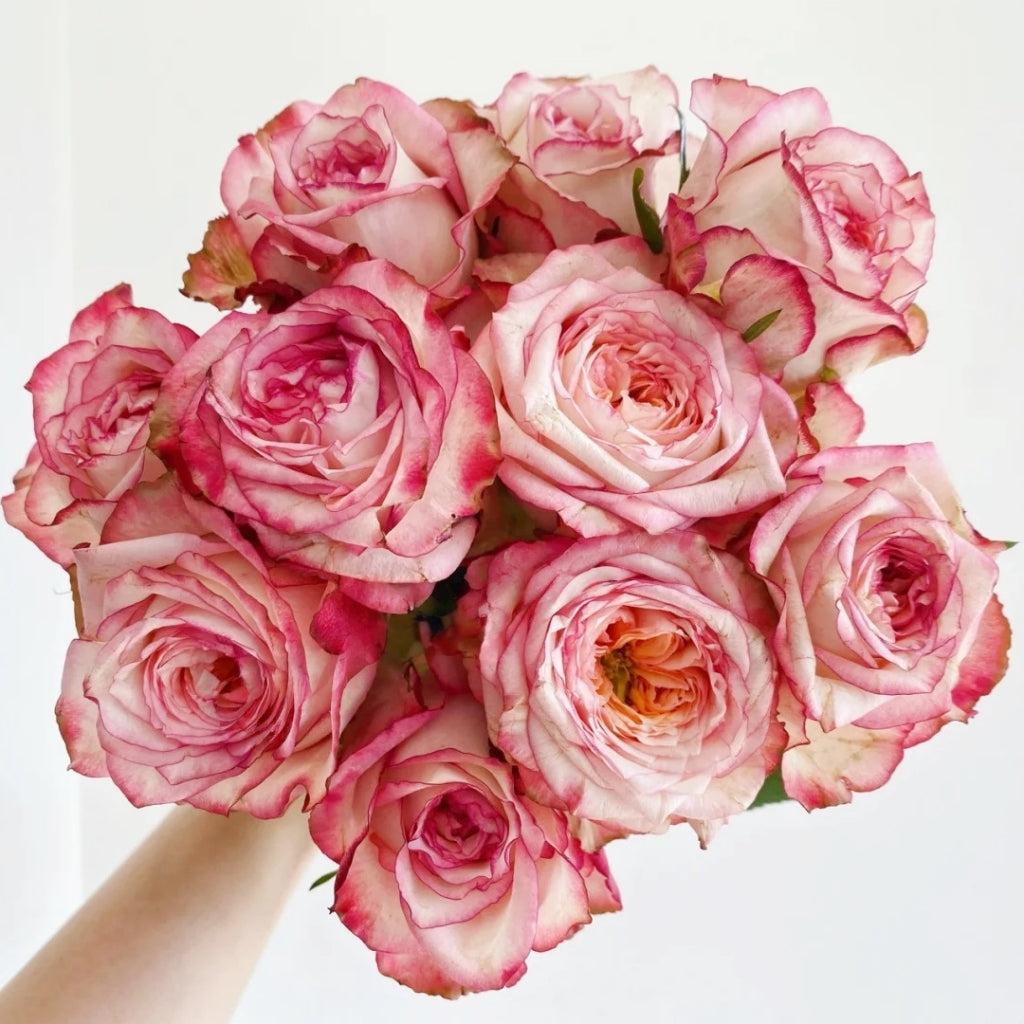
Imagine a rose that captures the very essence of a sun-drenched summer day, not just in its vibrant color but also in its intoxicating aroma. The Summer Song Rose, a remarkable creation from the esteemed breeder David Austin, is precisely that. Known by its synonym 'AUStango', this shrub rose stands out with its unique burnt orange blooms and an incredibly strong, delightful fruity scent that fills the air. While every rose has its quirks, Summer Song offers a distinct character that rewards the dedicated North American gardener with unparalleled beauty and fragrance.
In this comprehensive guide, we'll delve into everything you need to know about growing and caring for the Summer Song Rose. From understanding its unique characteristics and benefits to mastering planting techniques, ongoing care, and troubleshooting common issues, you'll be equipped to cultivate this exceptional David Austin variety successfully in your garden.
The Allure of Summer Song Rose: A Product Overview
The Summer Song Rose is not just another rose; it's a statement piece for the garden, a testament to David Austin's commitment to combining classic rose forms with modern vigor and exceptional fragrance. Here's a closer look at what makes this rose so special:
- Name: Summer Song (Synonym: AUStango)
- Origin: David Austin Roses, UK
- Rose Type: Shrub Rose
- Flower Color: Distinctive, vibrant orange, often described as burnt orange or tangerine.
- Flower Size: Large, typically 10 cm (4 inches) in diameter.
- Fragrance: One of its most celebrated features – a strong, rich, and unmistakable fruity scent.
- Bloom Season: Repeats throughout the season, producing small clusters of blooms, each lasting about a week.
- Plant Height: Matures to approximately 120 cm (4 feet) as an upright shrub.
- Growth Status: We offer 2-year-old live plants with strong roots, ensuring a healthy start and quicker establishment in your garden.
- Thorns: Remarkably, it is almost without thorns, making it more pleasant to handle and prune.
- Unique Characteristics: While its color and scent are unparalleled, Summer Song is known for having a slightly less formal plant shape and can be challenging to shape perfectly. It also shows a propensity for black spot disease, a common rose ailment that can be managed with proper care.
For those seeking a rose that truly stands apart, Summer Song delivers a sensory experience that few others can match. Its challenges are part of its character, making its successes even more rewarding.
Benefits of Cultivating Summer Song Rose in Your Garden
Despite its particularities, the Summer Song Rose offers a wealth of benefits that make it a cherished addition to many North American gardens:
- Unforgettable Fragrance: The strong, fruity scent is truly captivating. It's a perfume that can transform a garden space, making it ideal for planting near patios, walkways, or windows where its aroma can be fully appreciated.
- Vibrant, Unique Color: Its burnt orange hue is distinctive and striking, adding a warm, fiery focal point to any landscape. It pairs beautifully with blues, purples, and deep greens, creating stunning garden compositions.
- Repeat Blooming: Enjoy continuous flushes of these magnificent blooms from late spring through fall. The repeat blooming ensures a long season of interest and beauty.
- Excellent Cut Flowers: The large, fragrant blooms on relatively long stems make Summer Song an exceptional choice for cutting. Bring the garden's perfume indoors to brighten your home.
- Nearly Thornless Stems: This feature is a significant advantage, making pruning, deadheading, and handling the cut flowers much more pleasant and less hazardous.
- David Austin Pedigree: As a David Austin rose, you're investing in a variety bred for beauty, fragrance, and garden performance, backed by a legacy of rose excellence.
- Established Live Plant: Starting with a 2-year-old live plant means you're getting a head start. These plants have a robust root system, leading to faster establishment and earlier blooms compared to younger plants or bare roots.
Growing Guide: Planting Your Summer Song Rose for Success
Proper planting is the foundation for a healthy, thriving Summer Song Rose. Follow these steps to give your 2-year-old live plant the best possible start:
1. Site Selection
- Sunlight: Roses thrive in full sun, meaning at least 6 hours of direct sunlight per day. More sun generally leads to more blooms and healthier growth.
- Drainage: Excellent drainage is crucial. Roses hate "wet feet." If your soil is heavy clay, consider amending it significantly or planting in a raised bed.
- Air Circulation: Good air circulation around the plant helps prevent fungal diseases like black spot. Avoid planting too close to walls or other dense shrubs.
2. Soil Preparation
- Rich, Loamy Soil: Summer Song prefers rich, well-drained loamy soil. Amend your planting area generously with organic matter such as compost, well-rotted manure, or peat moss.
- pH Level: Aim for a slightly acidic to neutral soil pH, ideally between 6.0 and 6.5. A soil test can confirm your current pH and guide amendments.
3. Planting Your Live Rose
Since you'll be receiving a 2-year-old live plant, it will likely be potted or carefully packaged with its root ball intact. Plant in spring after the last frost or in early fall, giving it time to establish before winter.
- Dig the Hole: Dig a hole that is twice as wide as the root ball and just as deep.
- Prepare the Plant: Gently remove the rose from its container. If the roots are circling the pot, carefully tease them apart to encourage outward growth.
- Position the Rose: Place the rose in the center of the hole. In colder climates (USDA Zone 6 and below), position the graft union (the knobby part where the rose was budded onto rootstock) about 1-2 inches below the soil line. In warmer climates, plant it at or slightly above the soil line.
- Backfill: Carefully backfill the hole with your amended soil, gently firming it around the roots to remove air pockets.
- Water Deeply: Water thoroughly immediately after planting. This settles the soil around the roots and provides essential moisture.
- Mulch: Apply a 2-3 inch layer of organic mulch (such as shredded bark, compost, or pine needles) around the base of the plant, keeping it a few inches away from the main stem. Mulch helps retain moisture, regulate soil temperature, and suppress weeds.
Ongoing Care Tips for a Thriving Summer Song Rose
Consistent care will ensure your Summer Song Rose flourishes and provides a season full of its spectacular blooms.
Watering
- Consistency is Key: Water regularly, especially during dry spells and hot weather. Aim for deep watering that encourages roots to grow downwards, rather than frequent shallow watering.
- Avoid Overhead Watering: To minimize the risk of black spot, water at the base of the plant, preferably in the morning, allowing foliage to dry completely before nightfall.
Fertilizing
- Regular Feeding: Roses are heavy feeders. Begin fertilizing in early spring after new growth appears.
- Fertilizer Type: Use a balanced rose-specific fertilizer or a balanced all-purpose granular fertilizer (e.g., 5-10-5 or 10-10-10) according to package directions.
- Schedule: Fertilize after the first flush of blooms and again in mid-summer. Avoid fertilizing late in the season (after late July or early August in most regions) to prevent encouraging tender new growth that could be damaged by winter frosts.
Pruning
Pruning helps maintain the rose's health, shape, and encourages more blooms. Given Summer Song's natural tendency for a less formal shape, strategic pruning is particularly beneficial.
- Dormant Pruning (Late Winter/Early Spring): This is the most significant pruning. Remove any dead, damaged, or diseased canes. Open up the center of the bush for better air circulation. Aim to create a vase shape. You can reduce the overall height by about one-third to one-half, cutting back to an outward-facing bud.
- Deadheading (Throughout the Season): Remove spent blooms just above a set of five leaves. This encourages the plant to put energy into producing new flowers rather than developing seeds.
- Shaping: While Summer Song can be challenging to shape perfectly, you can encourage a more desirable form by selectively removing crossing branches and those growing inwards. Don't be afraid to remove canes that detract from the overall appearance, even if they are healthy.
Pest and Disease Management
Summer Song is known to be susceptible to black spot, so proactive management is essential.
- Black Spot: This fungal disease causes black spots on leaves, followed by yellowing and leaf drop.
- Prevention: Ensure good air circulation, avoid overhead watering, and promptly remove and dispose of any infected leaves (do not compost them).
- Treatment: If black spot appears, apply a fungicide specifically labeled for roses. Follow product instructions carefully. Consistent application may be necessary.
- Other Pests: Keep an eye out for common rose pests like aphids, spider mites, and Japanese beetles.
- Aphids: Can often be washed off with a strong spray of water or treated with insecticidal soap.
- Spider Mites: Thrive in hot, dry conditions. Regular misting of foliage can help, along with insecticidal soap.
- Japanese Beetles: Hand-picking is often the most effective method for small infestations.
Winter Protection (for Colder Zones)
In USDA Zones 5 and 6, some winter protection is advisable for shrub roses like Summer Song.
- Mounding: After the first hard frost, mound soil, compost, or shredded leaves around the base of the plant to a height of 10-12 inches.
- Cane Protection: In very cold areas, you can also wrap the canes with burlap or use a rose cone, ensuring there's still some air circulation.
- Pruning: Avoid heavy pruning in fall, as new growth can be damaged by winter cold. Save major pruning for late winter/early spring.
Common Mistakes to Avoid with Summer Song Rose
Even experienced gardeners can make mistakes. Being aware of these common pitfalls can help ensure your Summer Song Rose thrives:
- Insufficient Sunlight: Planting in too much shade will result in fewer blooms, weaker growth, and increased susceptibility to diseases.
- Poor Air Circulation: Overcrowding or planting too close to structures creates a humid environment, a breeding ground for black spot.
- Inconsistent Watering: Both overwatering (leading to root rot) and underwatering (causing stress) are detrimental. Aim for deep, consistent moisture.
- Ignoring Black Spot: Delaying treatment or neglecting preventative measures for black spot can lead to severe defoliation and weaken the plant significantly.
- Improper Pruning: Pruning too lightly can lead to a leggy, unruly plant, while pruning too harshly at the wrong time can reduce blooms or damage the plant.
- Neglecting Soil Health: Roses are hungry plants. Failing to amend soil with organic matter or provide regular feeding will result in lackluster performance.
Summer Song Rose vs. Other David Austin Varieties
David Austin has bred many exquisite roses, and Summer Song holds its own unique place. While other orange or fragrant varieties exist, Summer Song's specific combination of traits sets it apart.
- Compared to 'Lady of Shalott': 'Lady of Shalott' is another popular David Austin orange rose, but its color is often described as more apricot-orange, and its form is generally more arching and vigorous. While fragrant, its scent is typically tea-rose with apple notes, distinct from Summer Song's intense fruity aroma. 'Lady of Shalott' is also often considered more disease resistant.
- Compared to 'Pat Austin': 'Pat Austin' offers a rich copper-orange color and a strong tea fragrance. Its blooms are often more cupped and downward-facing. Like Summer Song, it can have a more relaxed growth habit.
- Compared to 'Graham Thomas': While 'Graham Thomas' is a classic David Austin yellow, it's often cited for its vigor and strong tea fragrance. It represents a more traditional, robust shrub form, contrasting with Summer Song's more individualistic growth.
What truly distinguishes Summer Song is its specific shade of vibrant, almost fiery orange, combined with that incredibly potent and unique fruity fragrance. While it may require a bit more attention to shaping and disease prevention than some other varieties, its distinct beauty and aroma make it a prized possession for rose collectors and gardeners seeking something truly special.
Frequently Asked Questions About Summer Song Rose
Q: Is Summer Song Rose hardy in my USDA zone?
A: Summer Song Rose is generally hardy in USDA Zones 5-9. In Zone 5 and colder parts of Zone 6, winter protection (as described in the care section) is highly recommended to ensure survival and vigorous spring growth.
Q: Can I grow Summer Song Rose in a container?
A: Yes, Summer Song can be grown in a large container (at least 20-24 inches in diameter) with good drainage. Container-grown roses require more frequent watering and feeding than those in the ground. Ensure the pot is large enough to accommodate its mature size.
Q: What are good companion plants for Summer Song Rose?
A: The vibrant orange of Summer Song pairs beautifully with plants that have blue, purple, or deep green foliage. Excellent companions include lavender, salvia, catmint, delphinium, nepeta, or even ornamental grasses. These can also help suppress weeds and keep the soil cool.
Q: How strong is the fruity scent of Summer Song Rose?
A: The fruity scent of Summer Song Rose is renowned for being very strong and distinctive. It's one of its most celebrated characteristics and can easily perfume a significant area of your garden, especially on warm, still days.
Q: How do I best manage black spot disease on Summer Song?
A: Consistent management is key. Start with preventative measures: ensure good air circulation, avoid overhead watering, and promptly remove any fallen or infected leaves. If black spot appears, use a rose-specific fungicide according to label directions, applying it regularly throughout the growing season, especially during humid periods.
Q: Is Summer Song a good rose for cutting?
A: Absolutely! Its large, fragrant, vibrant orange blooms make it an excellent choice for cutting. The nearly thornless stems also make it easier to handle for bouquets.
Bring the Summer Song to Your Garden
The Summer Song Rose is more than just a plant; it's an experience. Its fiery orange blooms and intoxicating fruity fragrance promise to transform your garden into a sensory delight. While it asks for a little extra attention, particularly regarding its shape and black spot management, the rewards are immeasurable. For the North American gardener who appreciates unique beauty and a powerful perfume, Summer Song offers a truly distinctive presence.
Ready to experience the vibrant charm and unforgettable fragrance of the Summer Song Rose? Explore our selection of healthy, 2-year-old live plants and bring this exceptional David Austin shrub rose to your garden today. Let its summer song resonate in your landscape for years to come.