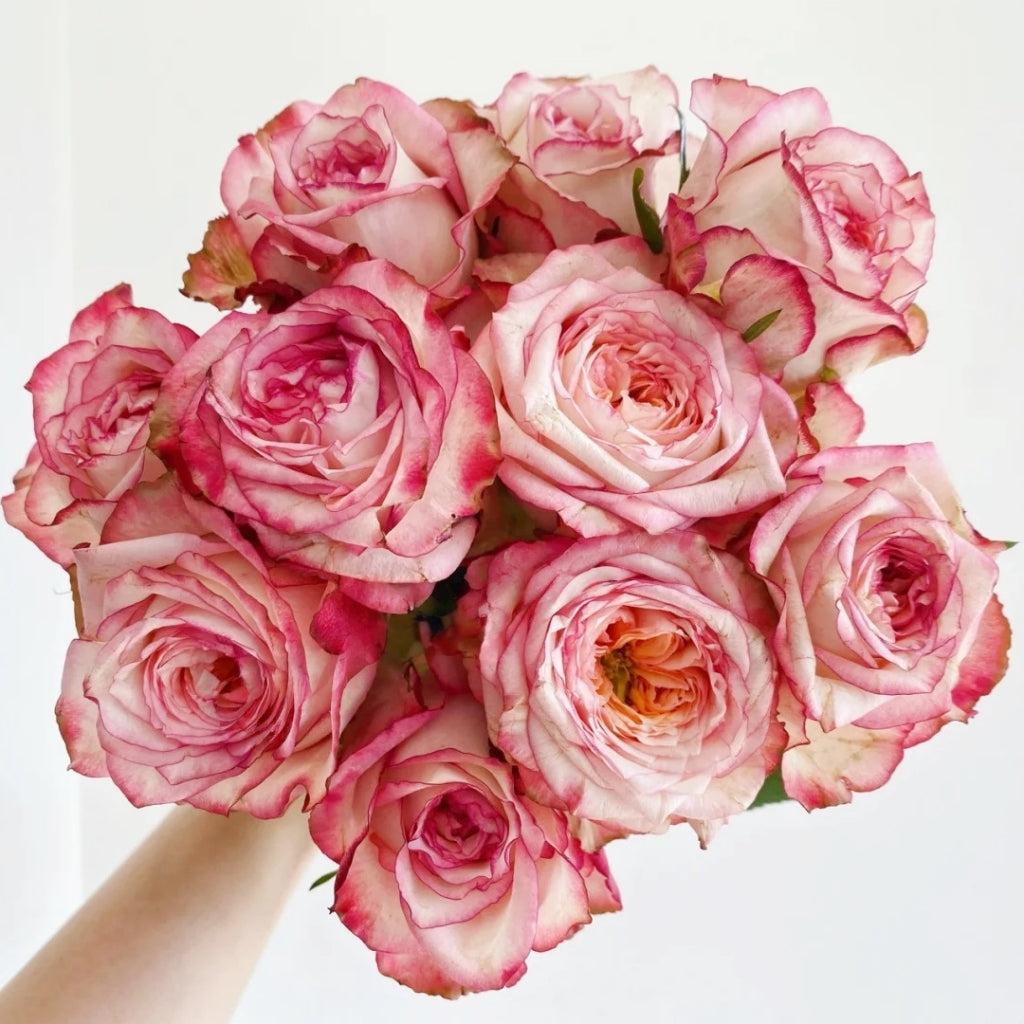
Embrace the Evolving Beauty: A Guide to Growing the Emma Bridgewater Rose
Embrace the Evolving Beauty: A Guide to Growing the Emma Bridgewater Rose
Imagine a rose that changes its outfit with the seasons, revealing a spectrum of warm, inviting hues as its petals unfurl. The Emma Bridgewater Rose, a magnificent new introduction from the renowned David Austin Roses, is precisely that – a living canvas in your garden. This isn't just another rose; it's an experience, a journey through coral pinks, soft apricots, and delicate lilacs, all wrapped in a medium tea fragrance that will enchant any passerby.
For North American gardeners, rose collectors, and plant enthusiasts, the Emma Bridgewater Rose offers a fresh take on classic English charm combined with modern resilience. Whether you're looking to add a focal point to your garden bed, create a vibrant border, or simply indulge in the joy of growing a truly unique rose, this guide will walk you through everything you need to know to cultivate its evolving beauty.
Join us as we explore the distinct characteristics of this exceptional shrub rose, delve into its benefits, provide a comprehensive growing guide, share essential care tips, help you avoid common pitfalls, and answer your most pressing questions. Get ready to welcome the captivating Emma Bridgewater Rose into your garden and witness its spectacular transformation.
Introducing the Emma Bridgewater Rose: A Symphony of Color and Scent
The Emma Bridgewater Rose, also known by its breeder code AUSb44a16, is a testament to the artistry of David Austin, the legendary English rose breeder. Released in 2024, this Austin Shrub Rose quickly distinguishes itself with its dynamic color palette and robust characteristics, making it a highly anticipated addition to any rose collection.
Key Characteristics:
- Origin & Type: Bred by David Austin, a premium Austin Shrub Rose.
- Growth Habit: A vigorous 2-year-old live plant, reaching an ideal height of approximately 120cm (around 4 feet). It boasts strong roots, an upright growth habit, and good resistance, making it a sturdy presence in the garden. While it has many thorns, its strong stems prevent drooping, ensuring its blooms are always proudly displayed.
- Fragrance: Enjoy a delightful medium tea fragrance that adds a classic, soothing aroma to your garden space.
- Flower Features: This is where the Emma Bridgewater Rose truly shines.
- Color Evolution: Its blooms are a captivating journey of color. They emerge as an orange-toned vermilion, gradually softening and transitioning through shades of apricot, coral pink, light purple, and even hints of lilac. This multi-shade display ensures constant visual interest.
- Size & Petals: Each bloom measures a generous 8-10 cm (3-4 inches) in diameter, featuring 26-40 full petals arranged in a charming light cup-shaped Ost flower type, often with an appealing orange buttonhole center.
- Bloom Duration: Individual flowers are remarkably long-lasting, gracing your garden for 5-7 days.
- Blooming Habit: The Emma Bridgewater Rose is a repeat bloomer, providing continuous floral displays across multiple seasons, ensuring your garden remains vibrant for an extended period.
- Light & Resistance: Thrives in full, sufficient sunlight and exhibits strong resistance to common rose ailments, making it a relatively low-maintenance choice for its stunning beauty. It is not tolerant of shade.
The Allure of Emma Bridgewater: Benefits for Your Garden
Choosing the Emma Bridgewater Rose for your garden brings a host of advantages beyond its obvious beauty:
- Unparalleled Color Transformation: Its most striking feature is the dynamic color shift of its blooms. This ensures a constantly evolving visual spectacle, adding depth and intrigue that single-toned roses cannot match.
- Delightful Tea Fragrance: The medium tea scent is classic and inviting, perfect for planting near patios, walkways, or windows where its aroma can be fully appreciated.
- Extended Bloom Life: With individual flowers lasting 5-7 days, you get to enjoy each bloom's beauty for longer, maximizing your garden's impact.
- Multi-Season Repeat Blooming: This rose isn't a one-hit wonder. Its ability to bloom repeatedly throughout the growing season means you'll have a continuous supply of its stunning flowers from spring to fall.
- David Austin Quality & Heritage: As a David Austin rose, you're investing in a variety known for its exceptional beauty, health, and classic English garden appeal, backed by decades of expert breeding.
- Robust & Resilient: Its strong resistance and upright growth habit mean less worry about common rose issues and more time enjoying its splendor. It's a hardy choice for many North American climates.
- Versatile Garden Presence: Its manageable height of 120cm makes it ideal for various garden applications – as a specimen plant, in mixed borders, as part of a rose bed, or even in large containers.
Growing Guide: Planting Your Emma Bridgewater Rose for Success
To ensure your Emma Bridgewater Rose thrives and delivers its full potential, proper planting is crucial. Here's how to get started:
1. Site Selection: The Sunny Spot
The Emma Bridgewater Rose demands full sunlight – at least 6-8 hours of direct sun per day. Choose a location that receives ample morning sun, which helps dry dew from the leaves and reduces the risk of fungal diseases. Ensure good air circulation around the plant to prevent humidity buildup. Avoid planting near large trees or shrubs that will compete for water and nutrients, or cast too much shade.
2. Soil Preparation: A Foundation for Growth
Roses prefer well-draining soil rich in organic matter. If you have heavy clay soil, amend it generously with compost, well-rotted manure, or peat moss to improve drainage and aeration. For sandy soils, organic matter will help retain moisture and nutrients. Aim for a slightly acidic to neutral pH (6.0-7.0).
3. Planting Steps: Giving Your Rose a Home
Your Emma Bridgewater Rose arrives as a 2-year-old live plant with strong roots, ready for planting.
- Dig the Hole: Dig a hole that is twice as wide as the root ball and deep enough so that the graft union (the swollen knob where the rose was budded) sits just at or slightly below soil level in colder climates (USDA Zone 6 and below) to protect it from freezing, or just above soil level in warmer climates.
- Prepare the Plant: Gently remove the rose from its container. If the roots are tightly coiled, gently tease them apart to encourage outward growth.
- Position the Rose: Place the rose in the center of the hole, ensuring the graft union is at the correct depth. Spread the roots out evenly.
- Backfill: Begin filling the hole with your amended soil, gently firming it around the roots to remove air pockets.
- Water Thoroughly: Once the hole is half-filled, water deeply to settle the soil around the roots. Finish filling the hole with soil and water again until the soil is thoroughly saturated.
- Mulch: Apply a 2-3 inch layer of organic mulch (such as wood chips, shredded bark, or compost) around the base of the plant, keeping it a few inches away from the main stem. This helps retain moisture, regulate soil temperature, and suppress weeds.
4. Timing: When to Plant
The best times to plant your Emma Bridgewater Rose are in early spring after the last frost, or in early fall, giving the roots time to establish before winter sets in. Avoid planting during the hottest part of summer, as this can stress the young plant.
Essential Care Tips for Thriving Blooms
Once planted, consistent care will ensure your Emma Bridgewater Rose flourishes and provides a continuous display of its stunning, multi-shade blooms.
1. Watering: Deep and Consistent
Roses are thirsty plants, especially during dry spells and when they are actively growing and blooming. Water deeply and regularly, aiming for 1-2 inches of water per week, either from rain or irrigation. It's better to water deeply less frequently than shallowly more often, as deep watering encourages roots to grow further down into the soil. Avoid overhead watering late in the day, as wet foliage overnight can encourage fungal diseases.
2. Fertilizing: Fueling the Blooms
Begin fertilizing in early spring as new growth emerges, and continue every 4-6 weeks until late summer. Use a balanced rose fertilizer or a granular slow-release fertilizer specifically formulated for roses. Follow the product instructions carefully to avoid over-fertilizing, which can burn the roots. Supplement with compost or well-rotted manure annually to enrich the soil.
3. Pruning: Shaping for Health and Bloom
- Deadheading: Throughout the blooming season, deadhead spent flowers by cutting the stem back to a strong outward-facing leaf or a five-leaflet leaf. This encourages the plant to put energy into producing new blooms rather than developing seeds.
- Seasonal Pruning: The main pruning is typically done in early spring, just as the buds begin to swell. Remove any dead, diseased, or damaged canes. Cut back weak or crossing branches. Aim to create an open, vase-like shape to improve air circulation. For Emma Bridgewater, given its 120cm height, you may wish to prune it to maintain a desired size and encourage bushiness.
- Winter Pruning (Optional): In late fall, before winter, you can lightly prune to remove any very long, leggy canes that might be damaged by winter winds.
4. Pest and Disease Management: Vigilance is Key
While the Emma Bridgewater Rose has strong resistance, no rose is entirely immune. Regularly inspect your plant for signs of pests (aphids, spider mites) or diseases (black spot, powdery mildew). Early detection is crucial for effective management. Use organic solutions like insecticidal soap for pests or neem oil for both pests and some diseases. Ensure good air circulation and proper watering to minimize disease risk.
5. Winter Protection: Preparing for the Cold
In colder North American climates (USDA Zone 6 and below), winter protection is recommended. After the first hard frost, mound soil or compost around the base of the plant to a height of 8-12 inches. You can also cover the plant with a rose cone or burlap to protect it from harsh winds and extreme cold. Remove protection gradually in early spring as temperatures rise.
Common Mistakes to Avoid for a Flourishing Rose
Even experienced gardeners can make mistakes. Being aware of these common pitfalls can help ensure your Emma Bridgewater Rose thrives:
- Insufficient Sunlight: This rose needs full sun. Planting it in a shaded spot will result in leggy growth, fewer blooms, and increased susceptibility to disease.
- Poor Drainage: Roses hate "wet feet." Soil that doesn't drain well can lead to root rot. Always amend heavy clay soils.
- Inconsistent Watering: Both under-watering (leading to stress and wilting) and over-watering (leading to root rot) are detrimental. Establish a consistent, deep watering schedule.
- Neglecting Pruning: Skipping deadheading reduces future blooms, and neglecting seasonal pruning can lead to a dense, unhealthy plant prone to disease.
- Over-Fertilizing: While roses are heavy feeders, too much fertilizer can burn the roots and damage the plant. Always follow package directions.
- Planting Too Deep or Shallow: Incorrect planting depth for the graft union can stress the plant and affect its long-term health, especially in cold climates.
The Emma Bridgewater Rose: A Standout in the Garden
Among the vast array of David Austin roses, the Emma Bridgewater Rose carves out its own distinct niche, particularly with its captivating color evolution. While many Austin varieties are celebrated for their classic forms and strong fragrances, the Emma Bridgewater offers a dynamic visual experience that sets it apart.
Unlike roses that maintain a consistent hue throughout their bloom cycle, the Emma Bridgewater transitions gracefully from an initial vibrant orange-vermilion to softer coral pinks, warm apricots, and even subtle lilac undertones. This multi-shade characteristic means your garden will constantly present a fresh palette, offering more visual interest than a single-color rose might. It combines the romantic, full-petaled form typical of Austin roses with a modern, evolving color display, making it a truly unique and engaging choice for gardeners who appreciate both tradition and innovation in their plant selections.
Frequently Asked Questions About the Emma Bridgewater Rose
Q: Is the Emma Bridgewater Rose disease resistant?
A: Yes, the Emma Bridgewater Rose is noted for its strong resistance to common rose diseases, making it a robust and reliable choice for gardeners.
Q: What kind of fragrance does it have?
A: It possesses a lovely medium tea fragrance, a classic and pleasant scent that enhances its garden appeal.
Q: How tall does the Emma Bridgewater Rose typically grow?
A: This shrub rose typically reaches a height of about 120cm (approximately 4 feet), making it suitable for various garden placements.
Q: Does the Emma Bridgewater Rose rebloom?
A: Absolutely! It is a multi-season repeat bloomer, providing continuous waves of flowers from spring through fall.
Q: What are its light requirements?
A: The Emma Bridgewater Rose thrives in full sunlight, requiring at least 6-8 hours of direct sun per day. It is not tolerant of shade.
Q: Can I grow the Emma Bridgewater Rose in a container?
A: While it prefers to be planted in the ground, it can be grown in a large container (at least 18-24 inches in diameter) with good drainage. Ensure consistent watering and feeding for container-grown roses.
Q: What is the single flowering period for its blooms?
A: Each individual flower on the Emma Bridgewater Rose lasts for an impressive 5-7 days, offering a long-lasting display of its evolving colors.
Bring Home the Evolving Beauty: Your Emma Bridgewater Rose
The Emma Bridgewater Rose is more than just a plant; it's an invitation to experience dynamic beauty and classic fragrance in your own backyard. Its unique color transitions, robust health, and continuous blooming habit make it an invaluable addition to any North American garden, whether you're a seasoned rose collector or just beginning your plant journey.
Imagine the delight of watching its petals unfold, revealing new shades with each passing day, and the joy of its medium tea fragrance wafting through your garden. This David Austin shrub rose promises to be a focal point, a conversation starter, and a source of endless pleasure.
Ready to add this captivating, multi-shade wonder to your landscape? Explore the Emma Bridgewater Rose and bring its evolving beauty, medium tea fragrance, and multi-season blooms to your sunlit garden today. It's an investment in beauty that will reward you for years to come.