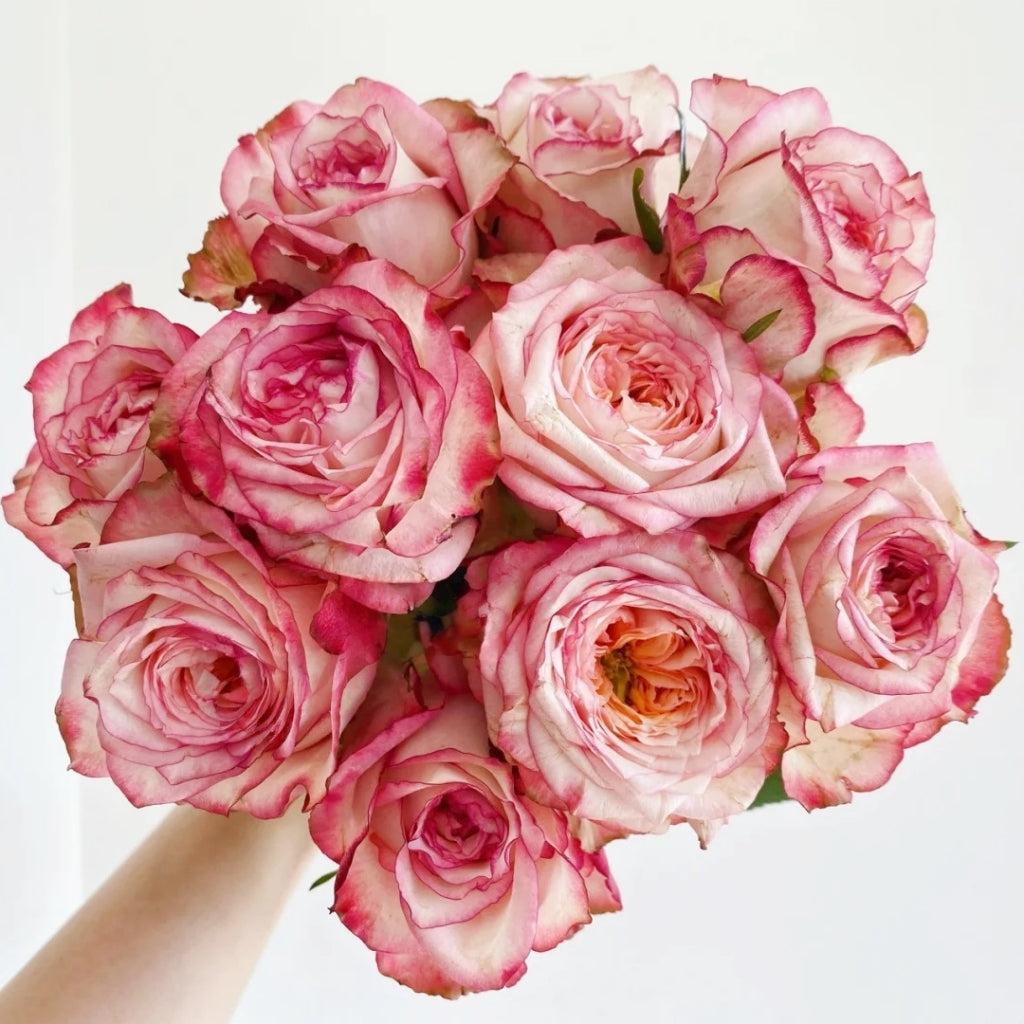
Princess Holly's Hope Rose: Your Guide to Growing Exquisite Japanese Peach & Apricot Blooms
Princess Holly's Hope Rose: Your Guide to Growing Exquisite Japanese Peach & Apricot Blooms
In the world of roses, there's a special allure that comes from varieties bred specifically for their cutting garden potential. These are the roses that grace florists' arrangements and bring lasting beauty indoors. Among the most sought-after are Japanese cut roses, renowned for their intricate forms, unique colors, and exceptional vase life. Today, we're thrilled to introduce a truly captivating addition to this esteemed group: the Princess Holly's Hope Rose.
Released in 2024, Princess Holly's Hope is more than just a beautiful bloom; it's a testament to refined rose breeding, offering a delicate yet vibrant presence that promises to elevate any garden or floral display. If you're a North American gardener, a passionate rose collector, or simply someone who appreciates the art of floral design, this guide is for you. We'll delve into what makes Princess Holly's Hope so special, how to grow and care for it, and why it deserves a place in your collection.
Meet Princess Holly's Hope: A Product Overview
The Princess Holly's Hope Rose is a Japanese-bred cut rose that captivates with its exquisite blend of colors and elegant form. Its name evokes a sense of delicate charm, perfectly reflecting its appearance.
Key Characteristics:
- Origin: Japan, renowned for its meticulous rose breeding, especially for cut flower varieties.
- Release Year: 2024, making it a fresh and exciting addition to the rose market.
- Flower Color: A truly unique and soft palette of peach and apricot. The center of the bloom boasts a rich, soft peach-apricot hue that gently transitions to creamy, almost ivory outer petals. This gradient creates a stunning visual depth.
- Flower Size: Impressively large, with blooms typically measuring 10-13cm (approximately 4-5 inches) in diameter.
- Flower Shape: Classic cup-shaped, full of petals, often with charming outer petal folds that add to its character.
- Fragrance: This variety is noted for having no obvious fragrance. While some gardeners cherish scent, the absence of fragrance makes Princess Holly's Hope incredibly versatile for floral arrangements, allowing it to be paired with fragrant fillers without clashing, or to be enjoyed by those with scent sensitivities.
- Vase Life: An outstanding characteristic for a cut rose, offering about 8 days of lasting beauty in a vase. This means your bouquets will remain fresh and vibrant for nearly a week and a half.
- Plant Growth: We offer Princess Holly's Hope as a 2-year-old live plant with strong, established roots. This ensures a healthier start and quicker establishment in your garden compared to younger plants.
- Plant Height: Expect a mature plant height of 70-90cm (approximately 27-35 inches), making it an ideal size for cutting stems without overly dominating your garden space.
Princess Holly's Hope is specifically bred as a cut rose, meaning its attributes – stem length, bloom form, and vase life – are optimized for creating stunning bouquets and floral arrangements, whether for your home or special occasions.
Why Choose Princess Holly's Hope? The Benefits
For gardeners and floral enthusiasts alike, Princess Holly's Hope offers a compelling array of benefits that set it apart:
- Unforgettable Color Palette: The soft peach and apricot tones, transitioning to creamy outer petals, create a sophisticated and warm aesthetic. This unique blend is versatile, complementing both vibrant and pastel arrangements, and adds a touch of understated elegance that is hard to find in other rose varieties.
- Exceptional for Floral Arrangements: With its generous bloom size, classic cup shape, and impressive 8-day vase life, Princess Holly's Hope is a dream come true for anyone who loves to create bouquets. Its sturdy stems and consistent bloom quality make it a reliable choice for long-lasting displays.
- Strong Start for Your Garden: Receiving a 2-year-old live plant with strong roots means you're getting a well-established specimen. This significantly reduces transplant shock and helps the rose settle into its new home more quickly, leading to faster growth and earlier blooms.
- Versatile for Indoor Environments: The lack of an obvious fragrance is a distinct advantage for many. It allows for pairing with other fragrant flowers without creating an overwhelming scent, and it's perfect for those with allergies or sensitivities to strong perfumes, making it suitable for any indoor setting.
- A Touch of Japanese Elegance: Japanese roses are celebrated for their refined beauty and meticulous breeding. Owning Princess Holly's Hope brings a piece of this horticultural artistry to your garden, offering a unique and sought-after variety.
- Fresh and Modern: As a 2024 release, you'll be among the first to experience and showcase this contemporary beauty, adding a fresh dimension to your rose collection.
Growing Guide for North American Gardeners
To ensure your Princess Holly's Hope Rose thrives and produces abundant blooms, follow these essential growing guidelines tailored for North American climates.
1. Site Selection is Key
- Sunlight: Roses, especially those grown for cutting, demand full sun. Choose a location that receives at least 6-8 hours of direct sunlight per day. More sun generally means more blooms.
- Drainage: Excellent drainage is crucial. Roses hate "wet feet." If your soil is heavy clay, consider amending it significantly or planting in a raised bed.
- Air Circulation: Good air flow helps prevent fungal diseases. Avoid planting too close to walls or other dense plantings.
2. Soil Preparation
- Rich and Loamy: Roses prefer rich, well-draining soil with a slightly acidic to neutral pH (6.0-6.5).
- Amendments: Before planting, amend your soil generously with organic matter such as compost, well-rotted manure, or peat moss. This improves soil structure, drainage, and nutrient retention.
3. Planting Your 2-Year-Old Rose
- Timing: The best time to plant bare-root or potted roses is in early spring after the last frost, or in early fall in warmer climates.
- Digging the Hole: Dig a hole that is wider than the root ball and deep enough so that the bud union (the knobby part where the rose was grafted) sits at or just above the soil line in colder zones (USDA Zone 6 and below) or slightly below the soil line in warmer zones (USDA Zone 7 and above).
- Positioning: Carefully place the rose in the center of the hole, spreading out the roots.
- Backfilling: Backfill with your amended soil, gently firming it around the roots to remove air pockets.
- Watering: Water deeply immediately after planting to settle the soil.
4. Watering
- Consistency: Roses need consistent moisture, especially during their first year and hot, dry periods. Aim for deep watering rather than frequent shallow watering.
- Technique: Water at the base of the plant to avoid wetting the foliage, which can encourage fungal diseases. A soaker hose or drip irrigation system is ideal.
- Frequency: Depending on your climate and soil, this might mean 1-3 times per week. Check the soil moisture before watering again; it should be moist but not soggy.
Essential Care Tips for Thriving Blooms
Once established, Princess Holly's Hope will benefit from ongoing care to ensure continuous blooming and robust health.
1. Fertilizing
- Schedule: Begin fertilizing in early spring as new growth emerges, and continue every 4-6 weeks through late summer. Stop fertilizing about 6-8 weeks before your first expected frost to allow the plant to harden off for winter.
- Type: Use a balanced rose fertilizer or a slow-release granular fertilizer specifically formulated for roses. Follow product instructions carefully.
2. Pruning for Health and Blooms
- Winter Dormant Pruning: The most significant pruning occurs in late winter or early spring while the plant is dormant. Remove dead, damaged, or diseased canes. Open up the center of the plant for better air circulation and light penetration. Aim to remove about one-third to one-half of the plant's height, shaping it into an attractive vase form.
- Deadheading: Throughout the blooming season, deadhead spent flowers regularly. Cut the stem back to a five-leaflet leaf facing outwards. This encourages the plant to produce more blooms instead of setting seeds.
- Maintenance Pruning: Remove any suckers (growth from below the graft union) as soon as you see them. Also, trim off any crossing branches or weak growth.
3. Pest and Disease Management
- Prevention: A healthy, well-cared-for rose is less susceptible to pests and diseases. Ensure good air circulation, proper watering, and adequate sunlight.
- Common Issues: Watch out for aphids, spider mites, black spot, and powdery mildew.
- Organic Solutions: For aphids and mites, a strong spray of water or insecticidal soap can be effective. For fungal diseases like black spot, ensure good sanitation (clean up fallen leaves) and consider organic fungicides if necessary.
- Early Detection: Inspect your roses regularly to catch problems early.
4. Winter Protection (for Colder Zones)
- Mulching: In USDA Zones 6 and below, provide winter protection. After a few hard frosts, mound 10-12 inches of mulch (compost, shredded leaves, or wood chips) around the base of the plant to protect the bud union.
- Rose Cones: In very cold climates, rose cones or burlap wraps can offer additional protection.
Common Mistakes to Avoid
Even experienced gardeners can sometimes make mistakes. Being aware of these common pitfalls can help ensure your Princess Holly's Hope Rose thrives:
- Under or Overwatering: Both extremes are detrimental. Underwatering stresses the plant, leading to wilting and poor growth. Overwatering can lead to root rot. Always check soil moisture before watering.
- Insufficient Sunlight: Planting in too much shade will result in leggy growth, fewer blooms, and increased susceptibility to diseases. Roses need their sun!
- Neglecting Pruning: Skipping dormant pruning leads to a tangled, less vigorous plant with fewer, smaller blooms. Regular deadheading is also crucial for continuous flowering.
- Ignoring Pests and Diseases: A small problem can quickly escalate. Regular inspection and prompt action are vital to keep your rose healthy.
- Planting Too Deep or Shallow: Incorrect planting depth, especially regarding the bud union, can hinder growth and make the plant more vulnerable to winter damage.
- Inadequate Soil Preparation: Planting in poor, unamended soil will starve your rose of nutrients and lead to poor drainage, making it struggle from the start.
Princess Holly's Hope vs. Other Cut Roses
While many beautiful roses exist, Princess Holly's Hope stands out, especially when compared to other cut flower varieties or traditional garden roses:
- Unique Color Blend: Many cut roses offer solid colors or simple bi-colors. Princess Holly's Hope's soft peach and apricot center, gracefully transitioning to creamy outer petals, creates a sophisticated, multi-dimensional look that is distinctly elegant and less common than a uniform hue.
- Japanese Breeding for Cut Quality: Its Japanese origin signifies a focus on traits ideal for cutting – strong, straight stems, excellent bloom form, and, crucially, an extended vase life. While many garden roses are stunning on the bush, their vase life might be significantly shorter.
- Impressive Vase Life: An 8-day vase life is exceptional. Many popular garden roses might only last 3-5 days once cut, making Princess Holly's Hope a superior choice for lasting floral displays.
- No Obvious Fragrance: This characteristic, often seen as a drawback in garden roses, is a significant advantage for a cut rose. It allows florists and home arrangers complete freedom to pair it with fragrant fillers or other flowers without creating an overpowering or clashing scent profile. It also caters to those who prefer unscented blooms.
- Established Plant for Quicker Results: Receiving a 2-year-old live plant with strong roots gives it a head start compared to smaller, younger plants or bare roots, which might take longer to establish and produce abundant cutting-quality blooms.
Princess Holly's Hope isn't just another rose; it's a carefully crafted variety designed to bring sophisticated, long-lasting beauty to your floral arrangements, offering a distinct advantage over many other options on the market.
Frequently Asked Questions (FAQ)
Q: Is Princess Holly's Hope Rose fragrant?
A: No, Princess Holly's Hope is noted for having no obvious fragrance. This makes it an excellent choice for floral arrangements where you might want to control the scent profile or for individuals sensitive to strong perfumes.
Q: What USDA Hardiness Zones is Princess Holly's Hope suitable for?
A: As a general rule, most modern hybrid tea and floribunda roses are hardy in USDA Zones 5-9. With proper winter protection, gardeners in Zone 4 might also have success. Always check your specific local conditions and consider providing winter protection in colder zones.
Q: How tall does Princess Holly's Hope Rose grow?
A: This rose typically reaches a height of 70-90cm (approximately 27-35 inches), making it a manageable size for both garden beds and dedicated cutting gardens.
Q: When can I expect blooms from Princess Holly's Hope?
A: Princess Holly's Hope is a repeat bloomer. Once established, you can expect it to produce flushes of blooms from late spring through fall, especially with consistent deadheading.
Q: Can I grow Princess Holly's Hope Rose in a container?
A: Yes, its mature height makes it suitable for container growing. Choose a large pot (at least 18-24 inches in diameter) with good drainage, use high-quality potting mix, and ensure consistent watering and feeding, as container plants dry out faster.
Q: How long do the cut flowers last in a vase?
A: Princess Holly's Hope boasts an excellent vase life of about 8 days, ensuring your floral arrangements remain beautiful and fresh for an extended period.
Bring Princess Holly's Hope to Your Garden
The Princess Holly's Hope Rose offers a unique blend of delicate beauty, robust growth, and exceptional cut flower qualities. Its captivating peach and apricot hues, combined with a long vase life and the advantage of being a strong, 2-year-old plant, make it an irresistible choice for any gardener or floral enthusiast.
Imagine the stunning bouquets you could create, the elegant centerpieces for your home, or simply the joy of watching these exquisite blooms unfurl in your garden. If you're ready to add a touch of Japanese elegance and long-lasting charm to your floral endeavors, Princess Holly's Hope is waiting.
Explore the Princess Holly's Hope Rose today and begin your journey to cultivating these truly special blooms. Your garden, and your home, will thank you for it.