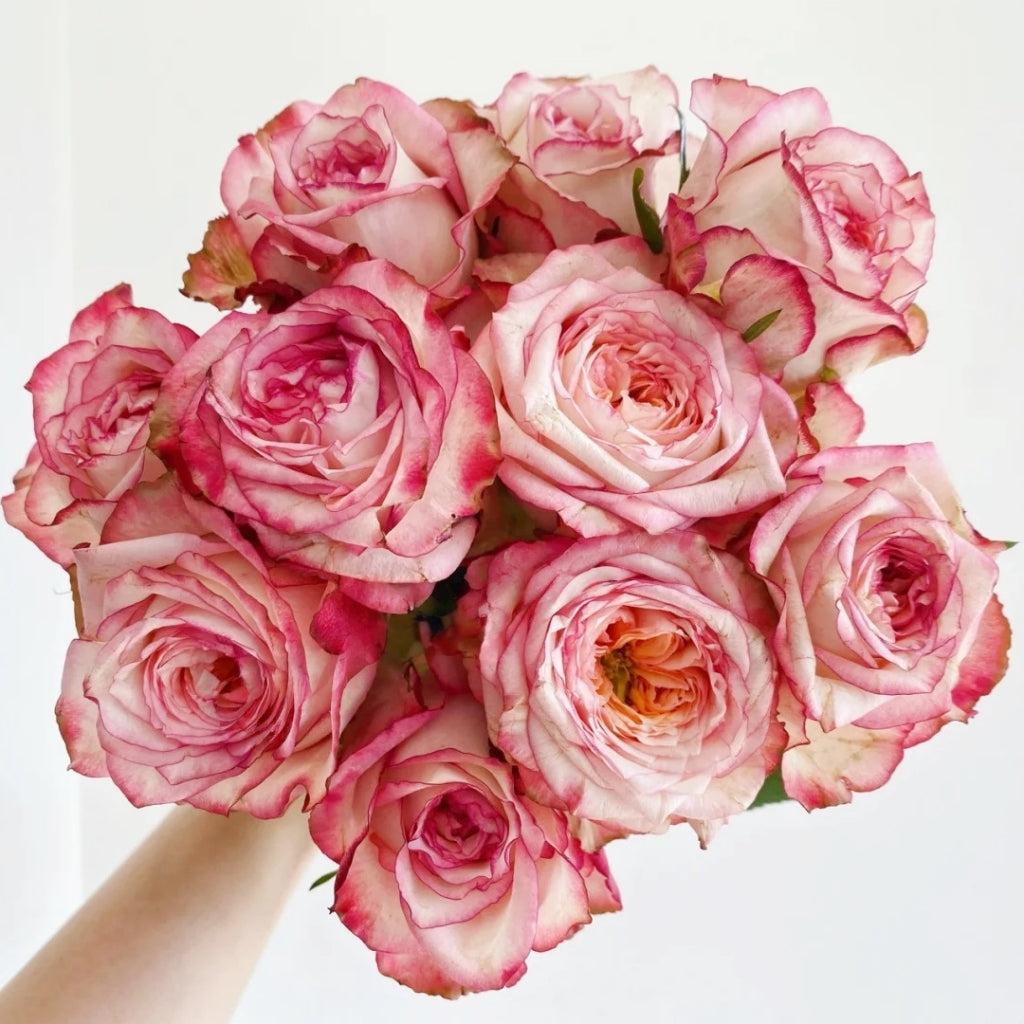
The Enchanting Chippendale Rose: A Guide to Growing This Fragrant German Masterpiece
The Enchanting Chippendale Rose: A Guide to Growing This Fragrant German Masterpiece
In the vast and varied world of roses, certain varieties stand out, captivating gardeners with their unique charm and enduring beauty. Among these luminaries is the Chippendale Rose, a magnificent creation from German breeder Hans Jürgen Evers, introduced by Tantau in 2005. Known for its stunning color transitions, intoxicating fragrance, and robust nature, the Chippendale Rose has quickly become a favorite among rose enthusiasts across North America. Whether you envision it as a stately shrub gracing your borders or a graceful climber adorning an arbor, this rose promises to deliver a spectacular display of color and scent.
This comprehensive guide is designed to equip you with all the knowledge needed to successfully grow and cherish your Chippendale Rose. From understanding its unique characteristics to mastering planting techniques, ongoing care, and troubleshooting common issues, we'll cover every aspect to ensure your garden flourishes with the vibrant beauty of this German masterpiece.
Meet the Chippendale Rose: A Product Overview
The Chippendale Rose, also known as "Music Hall" in some regions, is a testament to superior rose breeding. It arrives as a 2-year-old live plant, ensuring strong, established roots ready to thrive in your garden. This robust start gives it a significant advantage, allowing it to quickly settle in and begin producing its magnificent blooms.
Key Characteristics at a Glance:
- Origin: Bred in Germany by Hans Jürgen Evers and introduced by Tantau in 2005.
- Rose Type: A versatile Shrub Rose, it exhibits upright growth and dense branching, making it equally suitable for training as a climber, particularly popular in this form in Japan.
- Growth Status: Supplied as a 2-year-old live plant with strong, established roots, ready for robust growth.
- Plant Height: Reaches an impressive height of 120-200 cm (approximately 4-6.5 feet), offering a substantial presence in the garden.
- Fragrance: Features a strong, delightful fragrance with distinct notes of peach and mango, creating an aromatic experience that is both rich and fruity.
- Foliage: Adorned with deep green, glossy, leathery leaves that provide a lush backdrop for its vibrant blooms.
- Disease Resistance: Boasts exceptional disease resistance, making it a low-maintenance choice for gardeners seeking beauty without constant vigilance.
- Flower Color: A true spectacle, its blooms transition from a deep orange in bud to a radiant golden peach or deep apricot-pink as they unfurl. The outer petals often lighten, creating a multi-tonal effect influenced by weather and maturity.
- Flower Size: Produces large, eye-catching blooms, approximately 9 cm (3.5 inches) in diameter.
- Petal Count: Each cup-shaped to square-formed bloom is densely packed with 60-80 petals, giving it a full, luxurious appearance.
- Blooming Characteristics: Known for its slow-opening buds that retain their exquisite shape for extended periods. It flowers abundantly and repeatedly until the first frost, providing continuous beauty. Its long-lasting nature also makes it an ideal choice for cut flowers.
Why Choose the Chippendale Rose? Unveiling Its Unique Benefits
Beyond its impressive specifications, the Chippendale Rose offers a host of benefits that make it a truly exceptional addition to any North American garden:
- Stunning Color Transformation: The dynamic color shift from deep orange to golden peach or apricot-pink is a visual delight, ensuring your garden always has an evolving focal point. Each bloom tells a story of transition, adding depth and interest.
- Exquisite, Strong Fruity Fragrance: The potent peach and mango scent is a rare treat, transforming your garden into a fragrant oasis. This isn't just a visual rose; it's an olfactory experience that will draw you in.
- Versatile Growth Habit: Whether you prefer a classic, upright shrub or wish to train it along a fence, trellis, or arch as a climber, the Chippendale Rose adapts beautifully. This flexibility allows for creative landscaping and maximizes its impact in various garden designs.
- Exceptional Disease Resistance: For many gardeners, disease resistance is paramount. The Chippendale Rose's natural resilience means less time spent on treatments and more time enjoying its beauty, making it a reliable and rewarding choice.
- Long-Lasting Blooms, Perfect for Cutting: The slow-opening, densely petaled flowers hold their shape and beauty for an extended period, both on the bush and in a vase. This makes them ideal for creating breathtaking floral arrangements that bring the garden's charm indoors.
- Abundant, Repeat Flowering: Enjoy a continuous show of blooms from late spring until frost. The Chippendale Rose is a prolific bloomer, ensuring your garden remains vibrant and colorful throughout the growing season.
- Robust, 2-Year-Old Plant: Starting with a well-established, 2-year-old plant means you're getting a head start. These strong roots translate to quicker establishment, more vigorous growth, and faster flowering, giving you satisfaction sooner.
Cultivating Chippendale Rose: Your Comprehensive Growing Guide
To unlock the full potential of your Chippendale Rose, understanding its basic needs and providing optimal growing conditions is key. Follow these guidelines for a flourishing plant.
1. Choosing the Right Location
Roses, including the Chippendale, are sun-worshippers. Select a spot in your garden that receives at least 6-8 hours of direct sunlight per day. Morning sun is particularly beneficial as it helps dry dew from the leaves, reducing the risk of fungal diseases. Ensure good air circulation around the plant to further deter disease.
2. Preparing Your Soil
Chippendale Roses thrive in well-draining, fertile soil rich in organic matter. A slightly acidic to neutral pH (6.0-6.5) is ideal. If your soil is heavy clay, amend it with compost, peat moss, or other organic materials to improve drainage and aeration. For sandy soils, organic matter will help retain moisture and nutrients. Dig a generous hole, at least 18-24 inches wide and deep, to give the roots ample space to spread.
3. Planting Your Chippendale Rose
When your 2-year-old Chippendale Rose arrives, it will have a strong root system. Carefully remove it from its packaging. Dig a hole that is wider than the root ball and deep enough so that the graft union (the knobby part where the rose was budded onto the rootstock) is at or slightly below soil level in colder climates (USDA Zones 5 and below) for winter protection, or at soil level in warmer climates. Gently spread the roots in the hole. Backfill with your amended soil, gently firming it around the roots to remove air pockets. Water thoroughly immediately after planting to help settle the soil.
4. Watering Wisely
Consistent and deep watering is crucial, especially during the first year of establishment and during dry spells. Aim to water deeply two to three times a week, rather than frequent shallow watering. This encourages roots to grow deeper, making the plant more drought-tolerant. Water at the base of the plant to keep foliage dry, which helps prevent fungal diseases. A layer of mulch (2-3 inches) around the base will help conserve soil moisture, regulate soil temperature, and suppress weeds.
Essential Care Tips for a Thriving Chippendale Rose
Once planted, ongoing care will ensure your Chippendale Rose continues to produce its spectacular blooms year after year.
1. Fertilization for Abundant Blooms
Roses are heavy feeders. Begin fertilizing in early spring as new growth emerges, and continue with a balanced rose fertilizer every 4-6 weeks until late summer. Avoid fertilizing after late August or early September in most regions, as this can encourage tender new growth that is vulnerable to winter damage. Always follow the manufacturer's instructions for application rates.
2. Pruning for Health & Shape
- Spring Pruning: The most significant pruning occurs in early spring, just as the buds begin to swell. Remove any dead, damaged, or diseased canes. Open up the center of the plant to improve air circulation by removing crossing branches. For a shrub form, aim to maintain a pleasing shape and reduce overall size by about one-third. If training as a climber, focus on establishing strong main canes and tying them to your support structure, then prune lateral (side) shoots to encourage flowering.
- Deadheading: Throughout the blooming season, regularly remove spent flowers (deadhead) by cutting the stem back to a five-leaflet leaf facing outwards. This encourages the plant to put energy into producing new blooms rather than forming rose hips, ensuring continuous flowering until frost.
- Winter Pruning: In fall, a light "clean-up" pruning can be done to remove any remaining dead or weak wood. Avoid heavy pruning in fall, as this can stimulate new growth that won't harden off before winter.
3. Pest & Disease Management
While the Chippendale Rose is celebrated for its exceptional disease resistance, no rose is entirely immune. Keep an eye out for common rose pests like aphids, spider mites, and Japanese beetles. For diseases, black spot and powdery mildew can occasionally appear, especially in humid conditions. Good cultural practices (proper watering, air circulation, sanitation) are your first line of defense. If issues arise, consider organic solutions like insecticidal soap for pests or neem oil for both pests and diseases. Promptly remove and dispose of any affected leaves or plant parts.
4. Winter Protection (For Colder Climates)
In USDA Zones 6 and colder, some winter protection is advisable. After the first hard frost, mound a generous layer of mulch, compost, or shredded leaves around the base of the plant, covering the graft union by 6-12 inches. For climbers, ensure canes are securely tied to their support to prevent wind damage. In very harsh climates, wrapping the plant in burlap or using rose cones can provide additional protection, though the Chippendale's inherent hardiness often reduces the need for extreme measures.
Common Mistakes to Avoid When Growing Chippendale Roses
Even experienced gardeners can sometimes make errors. Being aware of these common pitfalls can save you frustration and ensure your Chippendale Rose thrives:
- Insufficient Sunlight: Planting in too much shade will result in leggy growth, fewer blooms, and increased susceptibility to disease.
- Poor Soil Drainage: Roses hate "wet feet." Soil that retains too much water can lead to root rot and other problems. Always ensure excellent drainage.
- Overwatering or Underwatering: Both extremes are detrimental. Aim for consistent, deep watering rather than frequent shallow watering or letting the plant completely dry out.
- Improper Pruning: Hesitancy to prune, or pruning incorrectly, can lead to a leggy plant with fewer flowers. Learn the basics of rose pruning for optimal health and bloom production.
- Neglecting Deadheading: Allowing spent blooms to remain on the plant signals to the rose that its job is done, reducing its drive to produce new flowers. Regular deadheading is crucial for continuous blooming.
- Ignoring Pest & Disease Signs: While disease-resistant, vigilance is still important. Catching issues early makes them much easier to manage.
Chippendale Rose in Your Garden: A Comparison
While many beautiful orange and peach roses exist, the Chippendale Rose distinguishes itself through a unique combination of traits. Unlike some varieties that offer a static color, Chippendale's dynamic color transition from deep orange to golden peach and apricot-pink sets it apart, creating a living tapestry of hues. Its strong, authentic peach and mango fragrance is also a standout feature, often more pronounced and complex than many other modern roses. Furthermore, its dual capability as both a robust shrub and a trainable climber offers unparalleled versatility in garden design, allowing it to fill various roles from a specimen plant to a vertical accent. Its exceptional disease resistance, a hallmark of Tantau breeding, means you spend less time worrying about plant health and more time enjoying its magnificent display, making it a superior choice for gardeners seeking both beauty and resilience.
Frequently Asked Questions About the Chippendale Rose
Q: Is the Chippendale Rose truly disease-resistant?
A: Yes, the Chippendale Rose is known for its exceptional disease resistance, particularly against common rose ailments like black spot and powdery mildew. While no rose is entirely immune, it performs very well with minimal intervention.
Q: What does the Chippendale Rose smell like?
A: It boasts a strong, delightful fragrance with distinct notes of peach and mango, offering a rich and fruity aroma.
Q: Can I grow Chippendale Rose as a climber?
A: Absolutely! While classified as a shrub rose, its vigorous, upright growth and dense branching make it highly suitable and often trained as a climber, especially popular in this form in Japan.
Q: What color are the flowers of the Chippendale Rose?
A: The flowers display a beautiful color transition, starting as deep orange buds and unfurling into golden peach or deep apricot-pink blooms. The outer petals often lighten, creating a vibrant, multi-tonal effect.
Q: How tall does the Chippendale Rose get?
A: It typically grows to a height of 120-200 cm (approximately 4-6.5 feet), making it a substantial and impactful presence in the garden.
Q: Are Chippendale Roses good for cut flowers?
A: Yes, they are excellent for cut flowers! Their slow-opening blooms retain their shape for extended periods, and their strong fragrance makes them a wonderful addition to any floral arrangement.
Q: How often does the Chippendale Rose bloom?
A: It is a repeat bloomer, flowering abundantly and continuously from late spring until the first hard frost, providing enduring beauty throughout the growing season.
Bring the Beauty of Chippendale Rose to Your Garden
The Chippendale Rose is more than just a plant; it's an experience. Its captivating color changes, intoxicating fragrance, and robust nature make it a standout choice for any gardener seeking to add elegance, aroma, and resilience to their landscape. Whether you're dreaming of a vibrant shrub or a fragrant climbing display, this German masterpiece is ready to transform your garden into a haven of beauty.
Ready to welcome this exceptional rose into your home? Explore the Chippendale Rose and discover other exquisite varieties in our collection. Your journey to a more beautiful, fragrant garden begins here.