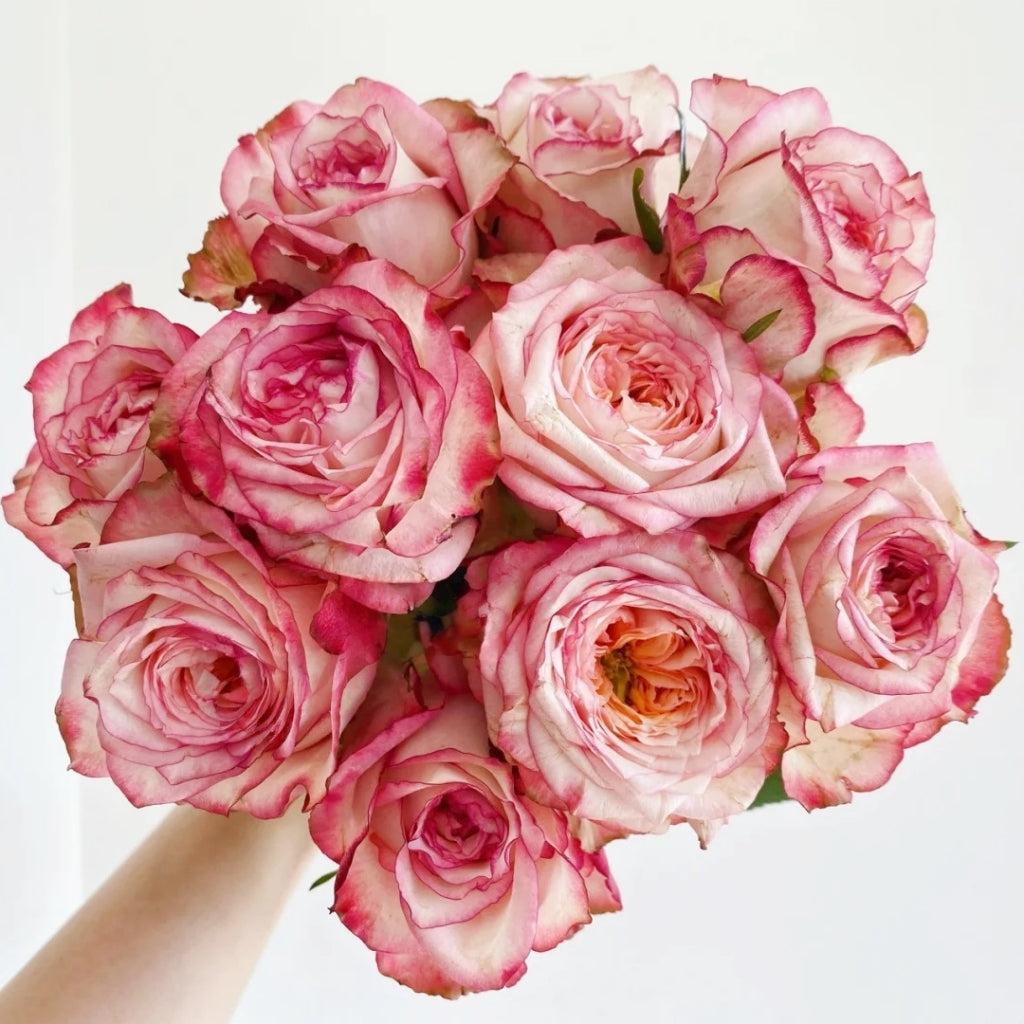
The Enduring Charm of the Abraham Darby Rose: A David Austin Classic for Every North American Garden
The Enduring Charm of the Abraham Darby Rose: A David Austin Classic for Every North American Garden
For North American gardeners seeking a rose that combines timeless beauty with robust performance, the Abraham Darby Rose stands as a shining example. Introduced by David Austin in 1985, this exquisite variety has captivated hearts for decades with its lush, cup-shaped blooms, dynamic color palette, and an intoxicating fruity fragrance that fills the air. Whether you're a seasoned rose collector or just beginning your journey into the world of these magnificent flowers, Abraham Darby offers a rewarding experience, transforming any garden space into a romantic haven.
In this comprehensive guide, we'll explore everything you need to know about cultivating the Abraham Darby Rose. From its unique characteristics and myriad benefits to detailed growing instructions, essential care tips, and common pitfalls to avoid, you'll gain the knowledge to help this iconic David Austin rose thrive in your landscape. Prepare to be enchanted by a rose that truly embodies grace, resilience, and unparalleled charm.
The Abraham Darby Rose Up Close: A Product Overview
The Abraham Darby Rose (also known by its cultivar name, AUScot) is a testament to David Austin's breeding mastery, combining the old-world charm of classic roses with the vigor and disease resistance of modern varieties. Here's a closer look at what makes this rose so special:
Name & Origin
- Name: Abraham Darby Rose (AUScot)
- Breeder: David Austin Roses, UK
- Release Year: 1985 – A classic, time-tested variety.
Appearance & Form
- Flower Shape: Deeply cupped, eventually opening to a more relaxed, quartered rosette form, exuding vintage appeal.
- Petals: Approximately 70 petals per bloom, creating a full, luxurious appearance.
- Flower Size: Large, typically 10 cm (4 inches) in diameter.
- Color: A truly dynamic spectacle! Blooms display a rich peach-pink hue with yellowish undertones in cooler weather, transitioning to a lighter apricot-pink as temperatures rise. This chameleon-like quality adds continuous interest to your garden.
Fragrance Profile
- Scent: One of its most celebrated attributes is its rich, fruity fragrance. Often described as a blend of fruit and old rose, it's a powerful, delightful scent that can perfume an entire garden space, making it perfect for cutting and bringing indoors.
Growth Habit & Versatility
- Rose Type: Exceptionally versatile, functioning beautifully as a shrub rose, a cut rose, or even trained as a climbing rose.
- Plant Height: As a shrub, it typically reaches about 120 cm (4 feet) in height and spread. When trained as a climber, it can extend much further, often reaching 2.5-3 meters (8-10 feet) or more, making it ideal for arches, pergolas, or walls.
- Growth Status: Our 2-year-old live plants come with strong roots, ready to establish quickly in your garden.
- Growth Rate: Known for its relatively fast growth and good branching, ensuring a full and floriferous plant.
Resilience & Hardiness
- Cold Resistance: Exhibits good cold hardiness, performing well in various North American climates.
- Heat Resistance: Tolerates heat well, with its color gracefully adapting to warmer conditions.
- Disease Resistance: Possesses moderate disease resistance, especially against common rose ailments, making it a relatively low-maintenance choice.
Why Choose Abraham Darby? Unveiling Its Benefits
Beyond its striking appearance, the Abraham Darby Rose offers a multitude of benefits that make it a cherished addition to any garden:
1. An Unforgettable Fragrance Experience
If scent is a priority for your garden, Abraham Darby delivers in spades. Its rich, fruity aroma is a hallmark of the finest English roses, creating an immersive sensory experience. Plant it near a patio, window, or walkway to fully appreciate its perfume.
2. Dynamic and Enduring Beauty
The ever-changing pink-apricot hues of its large, cup-shaped blooms ensure there's always something new to admire. This rose brings a touch of vintage romance and lushness, making it a focal point in any garden design, from cottage gardens to more formal settings.
3. Exceptional Versatility
Whether you envision a stately shrub, a charming climber adorning an archway, or a source of exquisite cut flowers for your home, Abraham Darby can fulfill multiple roles. This adaptability makes it an incredibly valuable plant for diverse landscaping needs.
4. Robust and Resilient Performance
Bred for resilience, this rose stands up well to both cold and heat, a crucial factor for North American gardeners facing varied climates. Its moderate disease resistance means less time worrying about plant health and more time enjoying its beauty.
5. Beginner-Friendly Nature
Despite its sophisticated appearance, Abraham Darby is surprisingly forgiving. Its fast growth, good branching, and general hardiness make it an excellent choice for those new to rose cultivation, offering rewarding results with reasonable care.
6. A Touch of Historical Charm
As a classic David Austin introduction from 1985, Abraham Darby carries with it a sense of heritage and timeless elegance. It's a rose that has proven its worth over decades, earning its place as a beloved variety worldwide.
Growing Your Abraham Darby Rose: A Step-by-Step Guide
To ensure your Abraham Darby Rose flourishes, proper planting and initial care are crucial. Follow these steps for a successful start:
1. Choosing the Right Location
- Sunlight: Roses thrive on sunshine! Select a spot that receives at least 6 hours of direct sunlight per day. More sun generally means more blooms.
- Air Circulation: Good air circulation helps prevent fungal diseases. Avoid planting in overly crowded areas or against solid walls where air stagnates.
- Drainage: Ensure the site has excellent drainage. Roses hate "wet feet," which can lead to root rot.
2. Soil Preparation
- Ideal Soil: Abraham Darby prefers rich, loamy soil with a slightly acidic to neutral pH (6.0-7.0).
- Enrichment: Amend your soil generously with organic matter such as compost, well-rotted manure, or peat moss. This improves drainage, retains moisture, and provides essential nutrients. Dig a hole much wider than the rose's root ball to allow for ample soil amendment.
3. Planting Your Rose
Whether you receive a bare-root rose or a potted plant, the process is similar:
- Digging the Hole: Dig a hole that is at least 18-24 inches wide and deep enough to accommodate the roots without bending them. For potted plants, the hole should be twice as wide as the root ball.
- Bare-Root Roses: Before planting, soak the roots in a bucket of water for a few hours. Create a small mound of soil in the center of the hole. Spread the roots over this mound.
- Potted Roses: Gently remove the rose from its container. If the roots are circling the pot, gently loosen them.
- Planting Depth: In most North American climates (especially colder zones), position the rose so that the graft union (the knobby part where the rose was budded onto rootstock) is about 2-4 inches below the soil line. In warmer climates (USDA Zone 7 and above), you can plant it at or just above the soil line.
- Backfill: Carefully backfill the hole with your amended soil, gently firming it around the roots to remove air pockets.
- Watering: Water thoroughly immediately after planting to settle the soil.
4. Initial Care
For the first few weeks after planting, keep the soil consistently moist but not waterlogged. Avoid fertilizing newly planted roses until they show significant new growth, typically after 4-6 weeks.
Nurturing Your Bloom: Essential Care Tips for Abraham Darby
Once established, your Abraham Darby Rose will reward consistent care with abundant blooms and vigorous growth.
1. Watering
- Consistency is Key: Roses need deep, consistent watering, especially during dry spells. Aim for 1-2 inches of water per week, either from rainfall or irrigation.
- Deep Watering: Water slowly and deeply at the base of the plant to encourage deep root growth. Avoid overhead watering, which can promote fungal diseases.
- Morning Watering: Water in the morning so the foliage has time to dry before evening, further reducing disease risk.
2. Fertilizing
- Feeding Schedule: Begin fertilizing in early spring after the first flush of new growth. Continue every 4-6 weeks through the growing season, stopping about 6-8 weeks before your first anticipated frost.
- Fertilizer Type: Use a balanced rose fertilizer or a slow-release granular fertilizer specifically formulated for roses. Organic options like compost tea or fish emulsion are also excellent.
3. Pruning
Pruning is vital for the health, shape, and bloom production of your Abraham Darby:
- Winter Pruning (Late Winter/Early Spring): This is the main annual prune. Remove any dead, diseased, or damaged wood. Cut back about one-third to one-half of the previous year's growth to encourage strong new shoots. Aim to create an open, vase-like shape to improve air circulation.
- Summer Pruning (Deadheading): Throughout the blooming season, deadhead spent flowers by cutting the stem back to a strong outward-facing leaf or a five-leaflet leaf. This encourages the plant to produce more blooms instead of setting seeds.
- Training as a Climber: If growing as a climber, gently tie new canes to a support structure (trellis, arch, wall) as they grow. Prune side shoots to encourage flowering laterals.
4. Pest and Disease Management
While Abraham Darby has moderate resistance, vigilance is key:
- Common Pests: Watch for aphids, spider mites, and Japanese beetles. Use insecticidal soap or horticultural oil for aphids and mites. Hand-picking can be effective for beetles.
- Common Diseases: Black spot and powdery mildew are common. Ensure good air circulation, water properly, and consider preventative organic fungicides if issues are persistent. Promptly remove and dispose of any infected leaves.
5. Winter Protection (for Colder Zones)
In USDA Zones 6 and colder, provide winter protection:
- Mounding: After the first hard frost, mound soil, compost, or shredded leaves around the base of the plant to a height of 10-12 inches.
- Cane Protection: For climbers or taller shrubs, you can wrap the canes in burlap or use rose cones, ensuring adequate ventilation.
Common Mistakes to Avoid for a Thriving Abraham Darby Rose
Even with a robust rose like Abraham Darby, certain missteps can hinder its performance. Avoiding these common mistakes will help ensure your rose thrives:
- Insufficient Sunlight: Planting in too much shade will result in fewer blooms, leggy growth, and increased susceptibility to disease. Always aim for at least 6 hours of direct sun.
- Poor Drainage: Roses despise soggy roots. If your soil is heavy clay, amend it significantly with organic matter or consider planting in a raised bed.
- Inconsistent Watering: Both underwatering (leading to stress and reduced blooms) and overwatering (causing root rot) are detrimental. Establish a consistent, deep watering schedule.
- Neglecting Pruning: Skipping annual pruning or deadheading leads to a less vigorous plant, fewer flowers, and a messy appearance. Pruning rejuvenates the rose and promotes healthy growth.
- Ignoring Pests and Diseases: Early detection and treatment are crucial. A small infestation can quickly become a major problem if left unchecked.
- Improper Fertilization: Too little fertilizer can lead to weak growth, while too much can burn the roots or encourage excessive leafy growth at the expense of flowers. Follow product instructions carefully.
- Planting Too Close: Overcrowding restricts air circulation, making your rose more vulnerable to fungal diseases. Give Abraham Darby ample space to grow.
Abraham Darby vs. Other Roses: What Makes It Unique?
While the world of roses is vast and beautiful, Abraham Darby holds a special place, particularly among David Austin's extensive collection. What sets it apart?
- Balanced Attributes: Many roses excel in one or two areas, but Abraham Darby offers a remarkable balance of strong, fruity fragrance, exquisite bloom form, versatile growth habit (shrub or climber), and commendable resilience to both cold and heat. It's a true all-rounder.
- Dynamic Color Palette: Its ability to shift from rich peach-pink to lighter apricot-pink depending on temperature is a unique feature that adds continuous visual interest. Many roses maintain a more static color.
- Classic English Rose Charm: It perfectly embodies the romantic, full-petaled look of an English rose, making it a quintessential choice for those seeking that specific aesthetic. While other Austin roses share this trait, Abraham Darby's specific blend of scent and color is distinct.
- Vigorous Growth: Compared to some more delicate old garden roses, Abraham Darby is known for its vigor and relatively fast growth, making it a satisfying plant for gardeners who want to see quick results.
In essence, Abraham Darby isn't just another beautiful rose; it's a carefully crafted masterpiece that consistently delivers on fragrance, form, and function, making it a standout choice for discerning gardeners.
Frequently Asked Questions (FAQ) About Abraham Darby Rose
Q1: Is the Abraham Darby Rose suitable for beginners?
A: Yes, absolutely! Its robust nature, good disease resistance, and vigorous growth make it one of the more forgiving David Austin roses, perfect for those new to rose gardening.
Q2: How tall does Abraham Darby typically grow?
A: As a free-standing shrub, it usually reaches about 4 feet (120 cm) in height and spread. When trained as a climber, it can easily grow 8-10 feet (2.5-3 meters) or more, depending on your climate and pruning.
Q3: What kind of fragrance does Abraham Darby have?
A: It boasts a rich, fruity fragrance, often described as a blend of fruit and classic old rose scents. It's one of the most powerfully scented David Austin varieties.
Q4: Can I grow Abraham Darby in a container?
A: Yes, you can! However, due to its vigorous growth, it will require a very large container (at least 20-25 gallons) to thrive. Ensure excellent drainage and consistent watering and feeding.
Q5: Is Abraham Darby repeat-flowering?
A: Yes, it is an excellent repeat-flowering rose, producing flushes of blooms throughout the growing season, from late spring until the first hard frost, especially with regular deadheading.
Q6: How does its color change with temperature?
A: In cooler weather, the blooms tend to be a richer peach-pink with more yellowish tones. In hotter conditions, the color softens to a lighter apricot-pink. This adds a beautiful, evolving quality to the rose.
Bring Home the Timeless Beauty of Abraham Darby
The Abraham Darby Rose is more than just a plant; it's an experience. It's the rich perfume that greets you on a summer evening, the exquisite changing hues of its petals, and the satisfaction of nurturing a truly classic beauty. Its versatility as a shrub, a climber, or a source of stunning cut flowers makes it an invaluable asset to any North American garden.
If you're ready to infuse your garden with vintage charm, intoxicating fragrance, and the reliable performance of a beloved David Austin rose, the Abraham Darby is waiting. Explore its unique beauty and imagine the romantic elegance it will bring to your outdoor space. Your journey to a more fragrant and beautiful garden starts here.