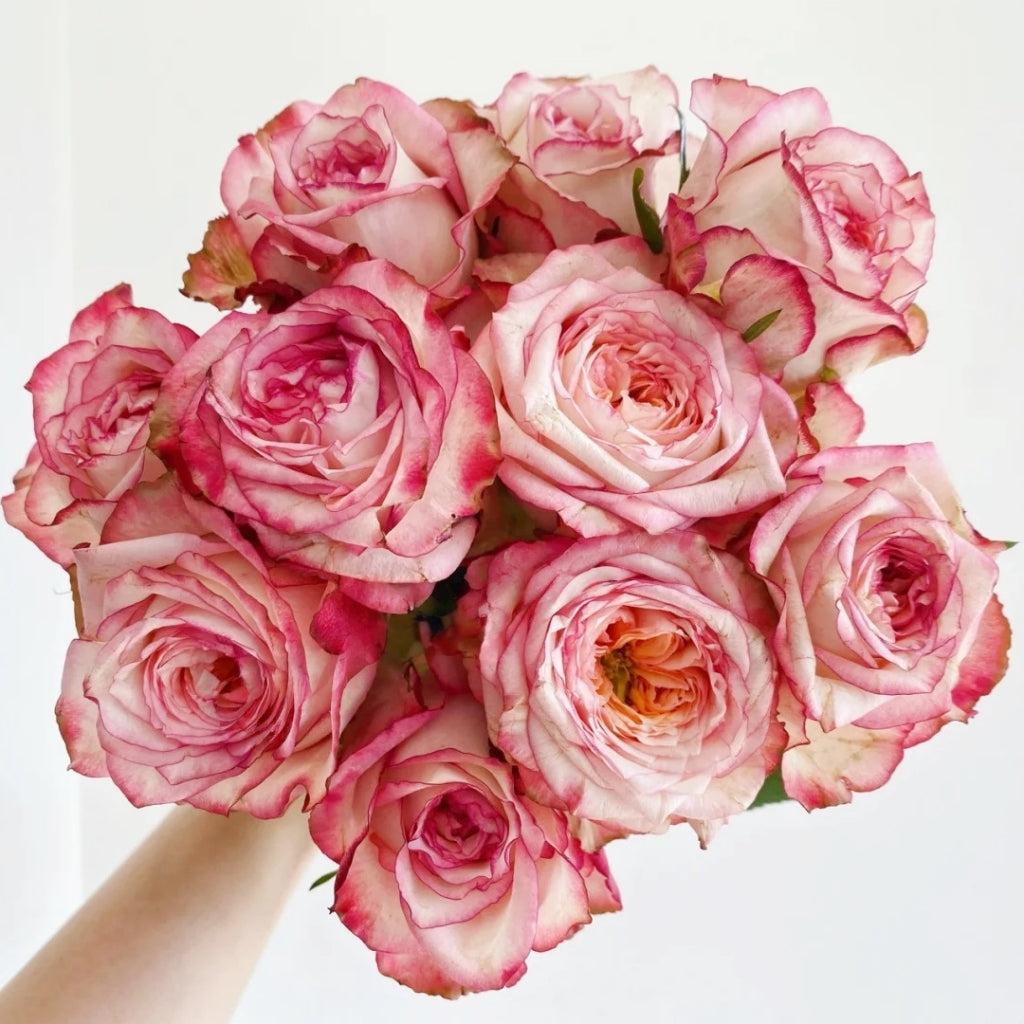
The Enduring Charm of Constance Rose: A David Austin Shrub for Every Garden
The Enduring Charm of Constance Rose: A David Austin Shrub for Every Garden
There's a special kind of magic that a David Austin rose brings to a garden. Known for their exquisite beauty, captivating fragrances, and classic English charm, these roses are beloved by gardeners worldwide. Among them, the Constance Rose stands out as a true gem, offering a delightful blend of soft pink hues, a charming fruity scent, and an impressive resilience that makes it a joy to grow.
Whether you're a seasoned rose collector or a budding enthusiast looking to add a touch of romance to your outdoor space, the Constance Rose (also known by its synonym AUStruss) is a superb choice. This article will guide you through everything you need to know about this magnificent shrub rose, from its unique characteristics and benefits to a comprehensive growing guide and essential care tips. Prepare to be enchanted by the enduring charm of Constance Rose.
Introducing the Constance Rose: A David Austin Masterpiece
The Constance Rose is a testament to David Austin's legacy of breeding roses that combine old-world charm with modern garden performance. As a shrub rose, it offers a versatile growth habit, making it suitable for various garden applications. Here's a closer look at what makes Constance so special:
- Origin and Type: Bred by the renowned David Austin Roses, Constance is a classic English Shrub Rose, celebrated for its full, multi-petaled blooms.
- Exquisite Pink Blend Blooms: The flowers are a captivating pink blend, often appearing as soft, pastel shades of cream, blush, and rose pink, sometimes with hints of apricot in the center. These large blooms, typically 8-10 cm in diameter, have a beautifully ruffled, cupped form, reminiscent of antique roses.
- Delightful Fruity Fragrance: One of Constance Rose's most appealing features is its medium fruity fragrance. Imagine notes of apple, pear, or even raspberry wafting through your garden on a warm day – a truly sensory experience.
- Repeat Bloomer: Constance is a repeat bloomer, meaning it will grace your garden with flushes of flowers throughout the growing season, from late spring until the first hard frost. This ensures a continuous display of beauty.
- Vigorous Growth and Manageable Size: As a 2-year-old live plant, it arrives with strong roots, ready for vigorous growth. It typically reaches a height of 120-150 cm (approximately 4-5 feet), making it an ideal size for garden beds, borders, or even larger containers.
- Disease Resistance and Low Maintenance: This variety is noted for its strong disease resistance, making it a relatively low-maintenance rose. This characteristic is a huge advantage for gardeners seeking beauty without constant fuss.
The Benefits of Growing Constance Rose in Your Garden
Choosing the Constance Rose for your garden brings a multitude of rewards beyond its sheer beauty:
- Unmatched Aesthetic Appeal: The soft pink blend and classic form of Constance's blooms evoke a sense of romance and timeless elegance, perfect for creating an English garden feel or adding a sophisticated touch to any landscape design.
- Enchanting Fragrance: Its medium fruity fragrance is a delightful addition to any outdoor space, inviting you to pause and enjoy the sweet aroma. It can also attract beneficial pollinators like bees and butterflies.
- Versatility in Landscape Design: With its shrubby growth habit and moderate height, Constance Rose is incredibly versatile. Plant it as a focal point, in mixed borders, as a low hedge, or even in large decorative pots on a patio or deck.
- Excellent Cut Flower: The generous bloom size and lovely fragrance make Constance an ideal rose for cutting. Bring its beauty indoors to create stunning bouquets that will fill your home with natural perfume.
- Reliable Performance: As a repeat bloomer, Constance ensures a long season of interest. Its strong disease resistance means less time spent on pest and disease management, allowing you more time to simply enjoy your garden.
- Suitable for Various Skill Levels: Thanks to its robust nature and disease resistance, Constance Rose is forgiving enough for novice gardeners while still offering the exquisite qualities that experienced rose enthusiasts cherish.
A Comprehensive Growing Guide for Your Constance Rose
To ensure your Constance Rose thrives and produces its best blooms, follow these essential growing guidelines:
1. Choosing the Right Location
- Sunlight: Roses, especially David Austins, need at least 6-8 hours of direct sunlight per day. A spot with morning sun is ideal, as it helps dry dew from the leaves, reducing fungal issues.
- Air Circulation: Good air circulation is crucial to prevent diseases. Avoid planting in overly crowded areas or against solid walls that restrict airflow.
- Drainage: Roses hate wet feet. Ensure your chosen site has excellent drainage. If your soil is heavy clay, consider raised beds or amending the soil significantly.
2. Soil Preparation
- Soil Type: Constance Rose prefers a rich, loamy soil with a slightly acidic to neutral pH (6.0-6.5).
- Amendments: Before planting, dig a generous hole (at least 2 feet wide and deep) and amend the excavated soil with plenty of organic matter. Well-rotted compost, aged manure, or peat moss will improve soil structure, fertility, and drainage.
3. Planting Instructions (for a 2-Year-Old Live Plant)
Your Constance Rose arrives as a 2-year-old live plant with strong roots, ready for planting. This means it has a head start and will establish quickly.
- Hydrate: Before planting, give the potted plant a good watering.
- Dig the Hole: Dig a hole twice as wide as the root ball and just as deep.
- Remove from Pot: Gently remove the rose from its nursery pot. If the roots are circling, gently tease them apart.
- Positioning: Place the rose in the center of the hole. The graft union (the swollen knob where the rose was budded onto rootstock) should be at or slightly below soil level in colder climates (Zone 6 and below) for winter protection, and at or slightly above soil level in warmer climates.
- Backfill: Backfill the hole with your amended soil, gently firming it around the roots to remove air pockets.
- Water Thoroughly: Water deeply immediately after planting to settle the soil.
4. Watering
- Consistency is Key: Water deeply and regularly, especially during dry spells and the first year after planting. Aim for 1-2 inches of water per week, either from rainfall or irrigation.
- Deep Watering: Encourage deep root growth by watering slowly at the base of the plant. Avoid frequent, shallow watering.
- Avoid Overhead Watering: Watering the foliage can promote fungal diseases. Use a soaker hose or drip irrigation if possible.
5. Fertilizing
- First Year: Go easy on fertilizer in the first year to allow the roots to establish. A light application of a balanced rose fertilizer a month after planting is usually sufficient.
- Subsequent Years: Feed your Constance Rose in early spring as new growth emerges, after the first flush of blooms, and again in mid-summer. Use a fertilizer specifically formulated for roses, or a balanced granular fertilizer.
- Avoid Late Season Feeding: Do not fertilize after late summer, as this can encourage tender new growth that is vulnerable to winter damage.
6. Pruning
- Winter Pruning (Dormant Pruning): The main pruning should occur in late winter or early spring, just as the buds begin to swell. Remove any dead, diseased, or damaged wood. Cut back crossing branches and aim to create an open, goblet shape for good air circulation. Reduce the overall size by about one-third to one-half, cutting above an outward-facing bud.
- Summer Pruning (Deadheading): Throughout the blooming season, deadhead spent flowers by cutting the stem back to the first set of five leaves. This encourages the plant to produce more blooms instead of setting seeds.
Care Tips for a Thriving Constance Rose
Beyond the basic growing guide, these tips will help your Constance Rose flourish:
- Mulching: Apply a 2-3 inch layer of organic mulch (such as shredded bark, compost, or pine needles) around the base of the rose. Mulch helps retain soil moisture, suppress weeds, and regulate soil temperature. Keep mulch a few inches away from the rose's canes to prevent rot.
- Pest and Disease Monitoring: While Constance Rose is disease-resistant, it's not immune. Regularly inspect your plant for signs of common rose pests (like aphids, spider mites) or diseases (like black spot, powdery mildew). Early detection allows for easier management. Use organic solutions like insecticidal soap for pests or neem oil for fungal issues if necessary.
- Winter Protection (for Colder Zones): In USDA Hardiness Zones 5 and colder, provide winter protection. After a few hard frosts, mound soil, compost, or shredded leaves around the base of the plant to a height of 10-12 inches. You can also cover the entire plant with burlap or a rose cone for added insulation. Remove protection gradually in early spring.
- Support: While a shrub rose, if your Constance Rose grows particularly tall or is exposed to strong winds, a discreet stake might be helpful to prevent canes from snapping.
Common Mistakes to Avoid When Growing Constance Rose
Even with a resilient rose like Constance, avoiding these common pitfalls will ensure its success:
- Poor Site Selection: Planting in too much shade or in an area with poor drainage are the most common reasons for rose failure. Always prioritize sunlight and well-drained soil.
- Inconsistent Watering: Both overwatering (leading to root rot) and underwatering (causing stress and reduced blooming) are detrimental. Stick to a consistent, deep watering schedule.
- Improper Pruning: Fear of pruning or incorrect pruning techniques can lead to a leggy plant with fewer blooms. Don't be afraid to prune; it encourages vigorous growth and more flowers.
- Neglecting Pests and Diseases: Even disease-resistant roses can occasionally face challenges. Ignoring early signs of trouble can lead to more severe problems that are harder to control.
- Over-Fertilizing: Too much fertilizer, especially high-nitrogen formulas, can promote leafy growth at the expense of flowers, and can even burn the roots. Follow recommended dosages.
- Planting Too Deep or Too Shallow: Ensure the graft union is at the appropriate depth for your climate zone, as discussed in the planting section.
Constance Rose vs. Other David Austin Pink Roses: A Brief Comparison
David Austin offers a stunning array of pink roses, each with its unique charm. How does Constance Rose compare to some other popular pink varieties?
- Constance Rose vs. Olivia Rose Austin: Olivia Rose Austin is celebrated for its exceptional disease resistance and soft, pure pink, deeply cupped blooms with a strong, fruity fragrance. While both are highly disease-resistant and fragrant, Constance often presents a more pronounced 'blend' of pinks and creams, giving it a slightly different romantic, watercolor effect compared to Olivia's more uniform soft pink. Constance's growth habit might be a bit more open and airy, while Olivia tends to be very bushy and compact.
- Constance Rose vs. Spirit of Freedom: Spirit of Freedom is a vigorous climber or large shrub, known for its very large, deeply cupped, quartered blooms in a soft pink. It boasts a strong, myrrh fragrance. Constance, in contrast, is primarily a medium-sized shrub rose, making it more suitable for garden beds and borders where a climbing habit isn't desired. Its fruity fragrance is distinct from Spirit of Freedom's myrrh notes, and its bloom form, while cupped, is typically not as heavily quartered.
Constance Rose carves out its niche with its unique pink blend, delightful fruity aroma, and reliable performance as a mid-sized shrub, offering a classic English rose aesthetic that is both robust and romantic.
Frequently Asked Questions About Constance Rose
Is Constance Rose good for cutting?
Absolutely! With its generous 8-10 cm blooms and medium fruity fragrance, Constance Rose makes an excellent cut flower. Its romantic form and delicate colors are perfect for bouquets and floral arrangements, bringing the beauty of your garden indoors.
How tall does Constance Rose get?
Constance Rose typically grows to a height of 120-150 cm (approximately 4-5 feet) as a shrub. Its manageable size makes it versatile for various garden settings, from mixed borders to standalone specimens.
Is Constance Rose disease resistant?
Yes, Constance Rose is noted for its strong disease resistance. This makes it a relatively low-maintenance option for gardeners, reducing the need for frequent treatments against common rose ailments like black spot and powdery mildew.
When does Constance Rose bloom?
Constance Rose is a repeat bloomer, meaning it will produce flushes of flowers throughout the growing season. You can expect its first magnificent display in late spring or early summer, followed by continuous blooms until the first hard frost.
Is Constance Rose fragrant?
Indeed! Constance Rose possesses a delightful medium fruity fragrance. This pleasant aroma is one of its most cherished characteristics, adding a wonderful sensory dimension to your garden.
Bring the Romantic Beauty of Constance Rose to Your Garden
The Constance Rose is more than just a plant; it's an experience. Its soft pink blend blooms, intoxicating fruity fragrance, and reliable, disease-resistant nature make it an indispensable addition to any North American garden. Whether you dream of a classic English rose garden, a vibrant mixed border, or simply wish to enjoy fresh cut flowers indoors, Constance will exceed your expectations.
Imagine strolling through your garden, enveloped by its sweet perfume, or admiring its delicate petals unfurling with each new day. With its ease of care and continuous beauty, the Constance Rose offers enduring charm and countless moments of joy.
Ready to cultivate this David Austin masterpiece? Explore our exquisite 2-year-old live Constance Rose plants and bring this pink blend beauty to your home today. Your garden—and your senses—will thank you.