The Eugenie Rose: Unveiling David Austin's Apricot-Cream Masterpiece for Your North American Garden
The Eugenie Rose: Unveiling David Austin's Apricot-Cream Masterpiece for Your North American Garden
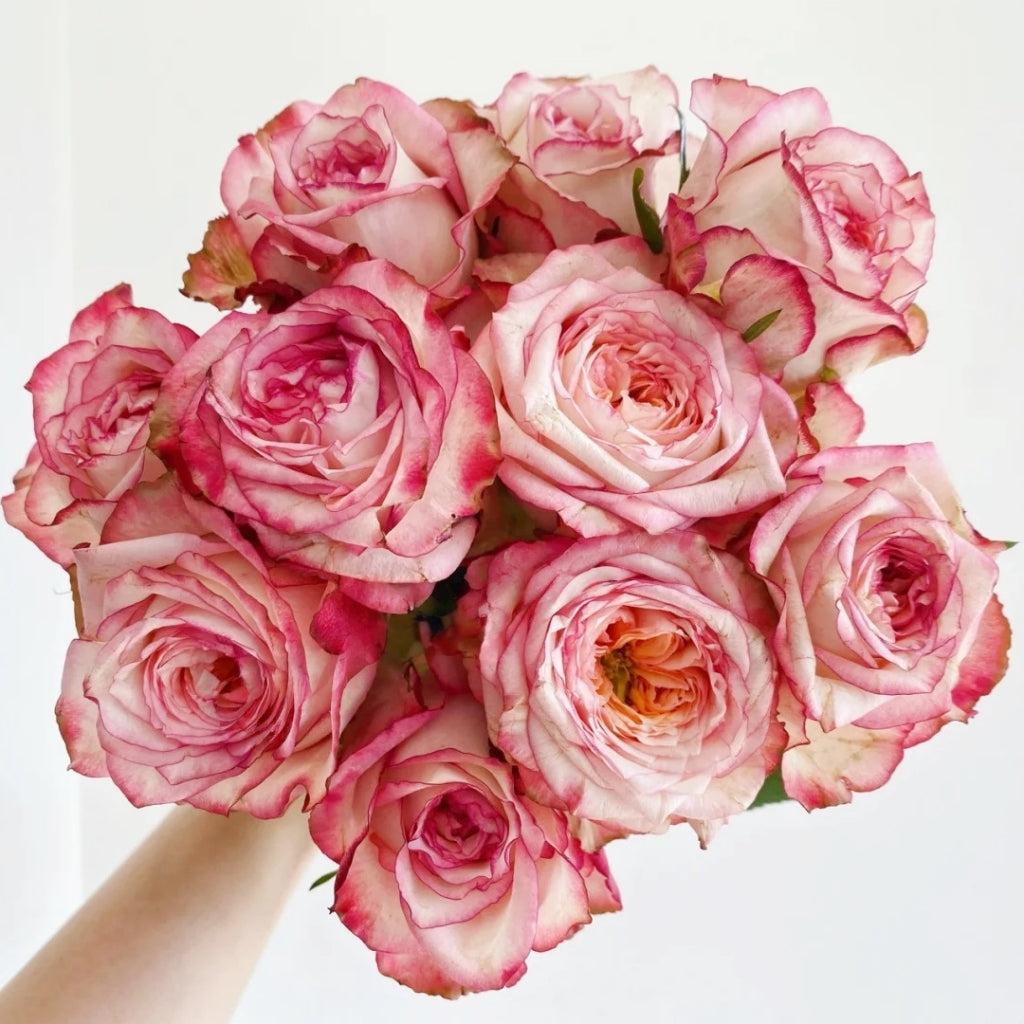
Imagine a rose that captures the warmth of a summer sunset, blending soft apricot, creamy yellow, and delicate pink hues into a single, breathtaking bloom. This is the magic of the Eugenie Rose, a truly exceptional creation from the renowned breeders at David Austin. Released in 2019, this modern variety quickly earned its place in the hearts of gardeners and florists alike, thanks to its unique wavy-edged petals, captivating color transitions, and versatile nature as both a stunning shrub and an exquisite cut flower.
For North American gardeners seeking to infuse their landscapes with elegance, fragrance, and continuous beauty, the Eugenie Rose offers an unparalleled experience. Its moderate maintenance requirements make it accessible even for beginners, while its sophisticated charm appeals to seasoned rose collectors. In this comprehensive guide, we'll delve into everything you need to know about cultivating this apricot-cream marvel, from its distinct characteristics and planting essentials to ongoing care and troubleshooting common issues. Prepare to unlock the full potential of the Eugenie Rose and transform your garden into a haven of floral splendor.
Meet the Eugenie Rose: A Symphony of Apricot and Cream
The Eugenie Rose, also known by its synonym 'Ausimage', is a testament to David Austin's commitment to breeding roses that combine classic beauty with modern resilience. This particular variety stands out with a collection of features that make it truly unique:
Variety Information:
- Name: Eugenie Rose (Synonyms: Ausimage)
- Origin: David Austin (Renowned Rose Breeding)
- Rose Type: Cut Roses / Shrub Roses (Dual-Use for Garden & Floral Arrangements)
- Release Year: 2019 (Modern, High-Quality Variety)
Plant Characteristics:
- Growth Status: We offer 2-year-old live plants with strong roots, ready to establish vigorously in your garden.
- Plant Height: Expect a mature height of approximately 120 cm (around 4 feet), making it suitable for various garden applications and cut flower production.
- Fragrance: The Eugenie Rose boasts a pleasant middle fragrance, offering a delightful aroma without being overpowering, perfect for both indoor and outdoor enjoyment.
Flower Features:
- Color: This rose is a true artist's palette. Its petals showcase a stunning blend of light apricot, cream yellow, and pink white, with a deeper blush apricot or peach center that gracefully fades to lighter cream edges. This natural color transition is one of its most captivating attributes.
- Flower Size: Each bloom reaches an impressive 10 cm (approximately 4 inches) in diameter, ensuring a prominent and eye-catching display.
- Petals: The Eugenie Rose is distinguished by its unique wavy-edged ruffles and a lush, double-petaled structure, giving it a graceful and ethereal appearance unlike many other varieties.
- Shape: Blooms typically form in a classic cup-shaped or rosette-like style, evoking a sense of timeless romance.
- Blooming Characteristics: Enjoy frequent and abundant blooms throughout the growing season, with a remarkably long flowering period that ensures continuous beauty from late spring until frost.
Why Choose the Eugenie Rose for Your Garden?
Beyond its undeniable beauty, the Eugenie Rose offers a host of benefits that make it an outstanding choice for any North American gardener:
- Unrivaled Aesthetic Appeal: The unique apricot-cream coloration, combined with its distinctive wavy-edged petals, creates a visual spectacle that draws the eye and sparks conversation. It's a rose that truly stands out.
- Versatile Garden Performer: Whether you envision it as a focal point in a mixed border, a charming addition to a cottage garden, or a sophisticated specimen in a formal bed, its shrub form adapts beautifully. Its manageable height also makes it suitable for larger containers.
- Exquisite Cut Flower: With its large, perfectly formed blooms and long stems, the Eugenie Rose is an ideal candidate for cutting. Create stunning bouquets and arrangements that bring its delicate fragrance and ethereal beauty indoors.
- Delightful Fragrance: The pleasant middle fragrance adds another layer of sensory enjoyment, enhancing both your garden experience and your indoor floral displays.
- Abundant and Long-Lasting Blooms: Say goodbye to fleeting beauty. The Eugenie Rose is a prolific bloomer, gracing your garden with frequent flushes of flowers over an extended period, ensuring a vibrant display for months.
- Beginner-Friendly: Despite its sophisticated appearance, the Eugenie Rose is noted for its moderate maintenance requirements, making it a forgiving choice for those new to rose cultivation or gardeners seeking a high-impact, low-stress plant.
- David Austin Quality: Investing in a David Austin rose means choosing a plant bred for exceptional beauty, health, and performance. The Eugenie Rose carries this legacy, promising a rewarding gardening experience.
Growing Guide: Planting Your Eugenie Rose for Success
To ensure your Eugenie Rose thrives and produces its magnificent blooms, proper planting is key. Follow these steps for the best start:
1. Site Selection:
- Sunlight: Roses are sun-lovers. Choose a spot that receives at least 6-8 hours of direct sunlight per day. Morning sun is particularly beneficial as it helps dry dew from leaves, reducing disease risk.
- Air Circulation: Good air circulation is vital to prevent fungal diseases. Avoid planting too close to walls or other dense plantings.
- Drainage: Roses hate "wet feet." Ensure your chosen site has excellent drainage. If your soil is heavy clay, consider amending it significantly or planting in a raised bed.
2. Soil Preparation:
- Soil Type: Eugenie Rose prefers a rich, well-draining loam. A slightly acidic to neutral pH (6.0-6.5) is ideal.
- Amendments: Dig a hole that is at least twice as wide as your rose's root ball and just as deep. Incorporate a generous amount of organic matter such as compost, well-rotted manure, or peat moss into the excavated soil. This improves drainage, aeration, and nutrient retention.
3. Planting Steps:
- Hydrate: Before planting, give your 2-year-old live plant a good drink of water.
- Remove from Container: Gently remove the rose from its nursery pot. If the roots are tightly coiled, carefully tease them apart to encourage outward growth.
- Positioning: Place the rose in the center of the prepared hole. In most North American climates, the bud union (the knobby part where the rose was grafted) should be at or just below the soil line. In colder zones (USDA Zone 5 and below), planting the bud union 2-4 inches below the soil line offers extra winter protection.
- Backfill: Carefully backfill the hole with your amended soil, gently firming it around the roots to remove air pockets.
- Watering: Water thoroughly immediately after planting to help settle the soil and provide essential moisture.
- Mulch: Apply a 2-3 inch layer of organic mulch (such as shredded bark, compost, or pine needles) around the base of the plant, keeping it a few inches away from the main stem. Mulch helps retain moisture, regulate soil temperature, and suppress weeds.
Care Tips for a Thriving Eugenie Rose
Once planted, consistent care will ensure your Eugenie Rose flourishes year after year.
Watering:
- Consistency is Key: Roses need consistent moisture, especially during dry spells and in their first year. Water deeply and regularly, aiming for the root zone.
- Avoid Overhead Watering: Water at the base of the plant to keep foliage dry, which helps prevent fungal diseases like black spot. Early morning watering is best.
- Check Soil Moisture: Stick your finger into the soil about 2-3 inches deep. If it feels dry, it's time to water.
Fertilizing:
- Start Strong: Begin fertilizing in early spring as new growth emerges.
- Regular Feeding: Use a balanced rose fertilizer according to package directions. Generally, feed after the first flush of blooms and again in mid-summer.
- Stop in Late Summer: Cease fertilizing about 6-8 weeks before your average first frost date to allow the plant to harden off for winter.
Pruning:
- Annual Pruning (Late Winter/Early Spring): This is the most important pruning. Remove any dead, diseased, or damaged wood. Open up the center of the plant to improve air circulation. Cut back canes by about one-third to one-half, shaping the plant and encouraging vigorous new growth and abundant blooms.
- Deadheading: Throughout the blooming season, remove spent flowers by cutting the stem just above a five-leaflet leaf facing outwards. This encourages the plant to produce more blooms rather than setting seeds.
Pest and Disease Management:
- Monitor Regularly: Inspect your rose frequently for signs of pests (aphids, spider mites, Japanese beetles) or diseases (black spot, powdery mildew).
- Early Intervention: Address issues promptly. Many problems can be managed with organic solutions like insecticidal soap for pests or neem oil for fungal issues if caught early.
- Good Cultural Practices: Proper watering, air circulation, and sanitation (removing fallen leaves) are your best defense against most problems.
Winter Protection (for Colder Zones):
- Mulch Heavily: In USDA Zones 5 and below, after the first hard frost, mound a generous layer of mulch (compost, shredded leaves, or wood chips) around the base of the plant, about 10-12 inches high.
- Consider Rose Cones: For added protection, especially for young plants, you can place rose cones over the mounded mulch. Ensure there's some ventilation on warmer winter days.
Common Mistakes to Avoid for a Flourishing Eugenie Rose
Even with the best intentions, gardeners can sometimes make mistakes that hinder their rose's performance. Here are some common pitfalls to avoid:
- Insufficient Sunlight: Planting your Eugenie Rose in too much shade will result in leggy growth, fewer and smaller blooms, and increased susceptibility to diseases.
- Poor Drainage: Roses are highly susceptible to root rot in waterlogged soil. Ensure your planting site drains well, or amend heavy clay soils extensively.
- Inconsistent Watering: Allowing the soil to dry out completely between waterings, or watering too shallowly, stresses the plant and reduces bloom quality and quantity.
- Improper Pruning: Neglecting annual pruning can lead to an overgrown, less vigorous plant with fewer flowers. Incorrect deadheading can also reduce subsequent flushes of blooms.
- Ignoring Pests and Diseases: A small pest infestation or a few spots of black spot can quickly escalate if not addressed. Regular inspection and prompt action are crucial.
- Over-Fertilizing: While roses are heavy feeders, too much fertilizer, especially high-nitrogen formulas, can burn roots or encourage leafy growth at the expense of flowers. Follow product instructions carefully.
- Planting Too Deep or Too Shallow: Incorrect planting depth, especially concerning the bud union, can impact the rose's vigor and winter hardiness.
Eugenie Rose in Comparison: Standing Out in the Garden
While many beautiful apricot and cream roses exist, the Eugenie Rose distinguishes itself through a unique combination of features. Unlike some older varieties that might offer similar hues, Eugenie's modern breeding (2019 release) often implies improved disease resistance and vigor, making it a more reliable choice for contemporary gardens.
Its most striking differentiator is undoubtedly its wavy-edged, ruffled petals. Many David Austin roses are known for their deeply cupped or rosette forms, but Eugenie adds an ethereal, almost undulating quality to its blooms that sets it apart. This delicate texture creates a softer, more romantic silhouette compared to the more structured forms of some other varieties.
Furthermore, its dual-use as both a robust shrub rose and an exceptional cut rose provides unmatched versatility. While many roses excel in one category, Eugenie offers the best of both worlds – a strong, healthy garden plant that also produces exquisite, long-stemmed flowers perfect for bouquets. The natural color transitions from a deeper peach center to lighter cream edges also contribute to its sophisticated charm, offering a dynamic visual interest that evolves with each bloom.
For gardeners looking for a rose that combines classic David Austin elegance with a distinctive, modern twist in both form and function, the Eugenie Rose truly shines.
Frequently Asked Questions About the Eugenie Rose
Q1: Is the Eugenie Rose suitable for beginner gardeners?
A1: Yes, the Eugenie Rose is considered to have moderate maintenance requirements, making it a good choice for beginners who are willing to follow basic care guidelines.
Q2: What kind of fragrance does the Eugenie Rose have?
A2: It possesses a pleasant middle fragrance, offering a lovely aroma that is noticeable but not overpowering.
Q3: How tall does the Eugenie Rose typically grow?
A3: This shrub rose can reach a height of approximately 120 cm (about 4 feet), making it a versatile size for various garden designs.
Q4: Can I grow the Eugenie Rose in a container?
A4: Yes, you can grow Eugenie Rose in a large container (at least 15-20 gallons) with good drainage. Ensure consistent watering and feeding, as container roses dry out faster.
Q5: When does the Eugenie Rose bloom, and for how long?
A5: The Eugenie Rose blooms frequently and abundantly throughout the growing season, typically from late spring until the first hard frost, offering a long period of continuous beauty.
Q6: Is Eugenie Rose a good choice for cut flowers?
A6: Absolutely! Its large, 10 cm diameter blooms, beautiful cup-shaped form, and long stems make it an excellent choice for creating elegant bouquets and floral arrangements.
Q7: What's the best way to encourage abundant blooms from my Eugenie Rose?
A7: Provide full sun (6-8 hours daily), consistent deep watering, regular feeding with a balanced rose fertilizer, and diligent deadheading of spent flowers to encourage continuous blooming.
Bring Home the Beauty of Eugenie Rose
The Eugenie Rose is more than just a plant; it's an invitation to experience unparalleled beauty, fragrance, and versatility in your garden. Its unique apricot-cream hues, distinctive wavy-edged petals, and abundant blooms promise to transform any space into a romantic retreat. Whether you're an experienced rose collector or just beginning your gardening journey, this David Austin masterpiece offers a rewarding and enchanting experience.
Ready to add this captivating rose to your collection? Explore the Eugenie Rose and discover how its graceful charm can elevate your garden and bring joy to your home with its exquisite cut flowers. Your journey to a more beautiful garden starts here.