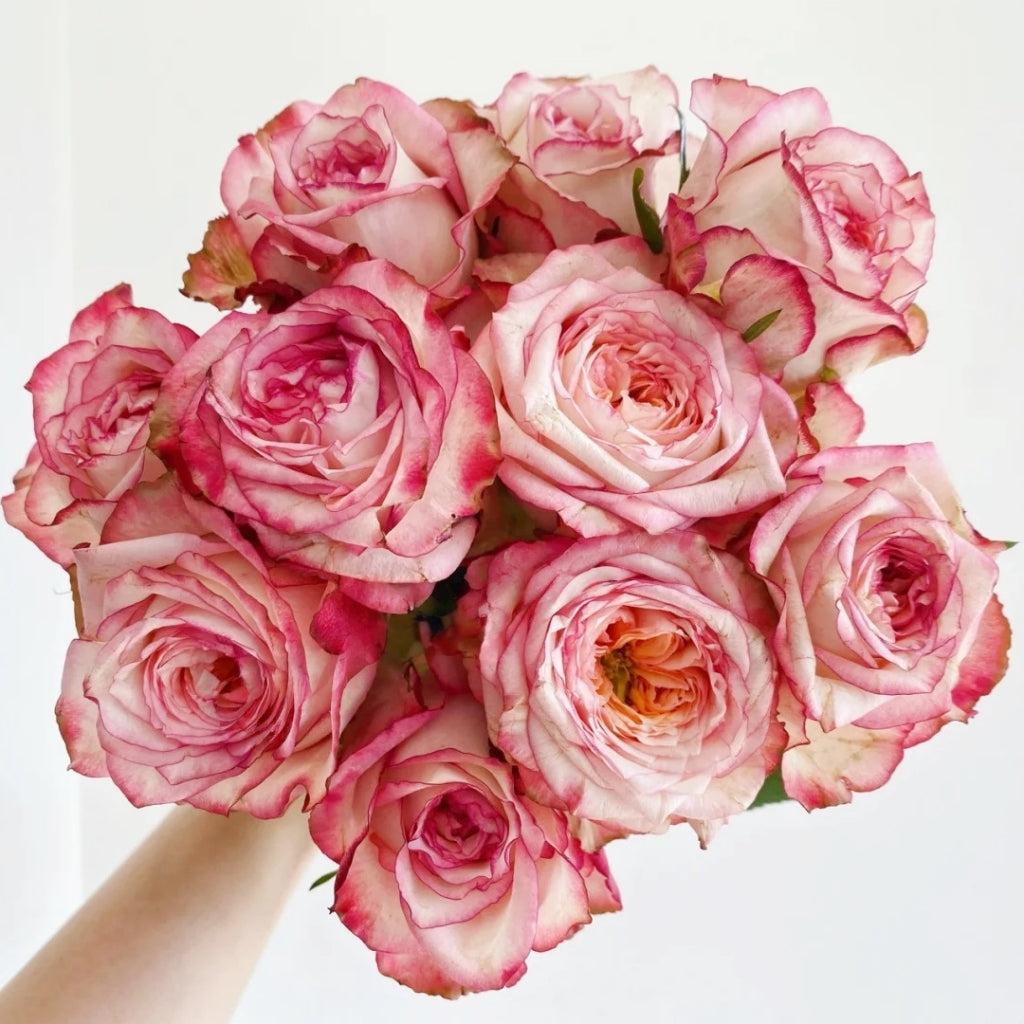
The White O'Hara Rose: Cultivating French Elegance and Lavender Fragrance in Your Garden
The White O'Hara Rose: Cultivating French Elegance and Lavender Fragrance in Your Garden
For gardeners and rose enthusiasts across North America, the pursuit of a truly exceptional rose is a delightful journey. Among the myriad of choices, one variety stands out for its unparalleled elegance, captivating fragrance, and remarkable versatility: the White O'Hara Rose. Hailing from the renowned French breeder Delbard, this exquisite cut rose has become a favorite for its pristine ivory-white blooms, unique petal structure, and an intense lavender fragrance that sets it apart from its peers. Whether you dream of a romantic garden display or aspire to create breathtaking floral arrangements, the White O'Hara Rose promises to transform your vision into a fragrant reality.
In this comprehensive guide, we'll delve into everything you need to know about growing and cherishing the White O'Hara Rose. From its distinctive characteristics and benefits to detailed planting instructions, essential care tips, and answers to frequently asked questions, we aim to equip you with the knowledge to cultivate this French masterpiece successfully in your own North American garden.
The Allure of the White O'Hara Rose: A Product Overview
The White O'Hara Rose is not just a flower; it's an experience. Bred in France in 2012, it embodies the classic French-style rosette, unfolding with grace and sophistication. Here's a closer look at what makes this rose truly special:
Distinctive Flower Features:
- Color Transformation: The journey of a White O'Hara bloom is captivating. It begins as a tightly packed bud, often tinged with green on its outer petals and faint pink undertones within. As it unfurls, it gradually reveals a pristine ivory-white hue, often retaining a subtle, delicate blush at its very center. This subtle color play adds depth and character to each flower.
- Generous Petal Count: Each bloom boasts an impressive 70 petals, creating a full, luxurious appearance that is characteristic of premium garden roses.
- Unique Petal Structure: A signature trait of the White O'Hara is its outer petals, which often curve distinctly into elegant "horn-like" shapes, adding a sculptural quality to the flower.
- Impressive Size: Mature flowers reach a substantial 10 cm (approximately 4 inches) in diameter, making a significant visual impact.
- Classic Rosette Shape: The way the petals are arranged creates a dense, layered, classic French-style rosette, exuding old-world charm and romance.
Unforgettable Fragrance:
- Intense Lavender Scent: One of the most celebrated attributes of the White O'Hara Rose is its powerful and distinct lavender fragrance. This is a rare and highly sought-after quality among cut roses, making it a sensory delight for both the garden and indoor arrangements.
Plant Characteristics:
- Robust Growth: We offer 2-year-old live plants with strong, established root systems, ensuring a healthy start in your garden.
- Mature Height: The plant typically reaches a height of around 120 cm (approximately 4 feet), making it a wonderful addition to borders, beds, or as a standalone specimen.
- Exceptional Vase Life: For those who love to bring their garden indoors, the White O'Hara Rose is a dream. Its blooms maintain their structural integrity and beauty for up to 10 days in a vase, providing lasting enjoyment.
Why Choose White O'Hara? Benefits for Every Gardener and Floral Artist
Beyond its stunning appearance, the White O'Hara Rose offers a multitude of benefits that make it a truly superior choice:
- Elegance Personified: Its classic form and pure ivory-white color make it the epitome of elegance. It's perfect for creating sophisticated garden scenes or adding a touch of luxury to any event.
- Versatility in Design: Whether you're planning a formal garden, a cottage-style border, or seeking the perfect bloom for a wedding bouquet, the White O'Hara fits seamlessly. Its neutral yet rich color pairs beautifully with almost any other hue.
- Aromatic Delight: The intense lavender fragrance is a rare treat, transforming your garden into a sensory paradise and infusing your home with a natural, soothing aroma.
- Long-Lasting Beauty: With a vase life of up to 10 days, this rose offers exceptional value, allowing you to enjoy its beauty and fragrance for an extended period.
- Strong, Healthy Plants: Starting with a 2-year-old live plant with strong roots means less waiting and more blooming. You get a head start on establishing a robust rose bush.
- Proven Performance: Bred by Delbard, a name synonymous with quality and innovation in rose breeding, the White O'Hara is a testament to careful selection for beauty and durability.
Growing Guide: Planting Your White O'Hara Rose for Success
To ensure your White O'Hara Rose thrives and produces its magnificent blooms, proper planting is key. Here's how to give your new rose the best start:
1. Choosing the Right Location:
- Sunlight: Roses are sun-lovers! Select a spot that receives at least 6-8 hours of direct sunlight per day. Morning sun is particularly beneficial as it helps dry dew from the leaves, reducing the risk of fungal diseases.
- Soil: White O'Hara Roses prefer well-draining soil rich in organic matter. A slightly acidic to neutral pH (6.0-7.0) is ideal. If you have heavy clay or sandy soil, amend it generously with compost, aged manure, or other organic materials to improve structure and fertility.
- Air Circulation: Ensure good air circulation around the plant to help prevent diseases. Avoid planting too close to walls or other dense foliage.
2. Preparing the Planting Hole:
- Dig a hole that is twice as wide as the root ball and just as deep. This allows the roots to spread out comfortably.
- Loosen the soil at the bottom of the hole to encourage downward root growth.
3. Planting Your 2-Year-Old Live Plant:
- Carefully remove the rose from its container, trying not to disturb the root ball too much. If the roots are circling, gently tease them apart.
- Place the rose in the center of the hole. In most North American climates, the graft union (the swollen knob where the rose was budded onto rootstock) should be at or slightly below soil level. In colder zones (USDA Zone 5 and below), burying the graft union 2-4 inches below the soil provides extra winter protection.
- Backfill the hole with your amended soil, gently firming it around the roots to remove air pockets.
- Water thoroughly immediately after planting to settle the soil.
4. Initial Care:
- Watering: Keep the soil consistently moist but not waterlogged for the first few weeks after planting. This helps the rose establish its root system.
- Mulching: Apply a 2-3 inch layer of organic mulch (such as shredded bark, compost, or straw) around the base of the plant. This helps retain soil moisture, suppress weeds, and regulate soil temperature. Keep the mulch a few inches away from the main stem to prevent rot.
Nurturing Your White O'Hara for Abundant Blooms: Essential Care Tips
Once established, your White O'Hara Rose will reward you with continuous beauty with a little ongoing care.
Watering:
- Roses generally need about 1 inch of water per week, either from rain or irrigation.
- Water deeply and slowly at the base of the plant to encourage deep root growth. Avoid overhead watering, especially in the evening, as wet foliage can promote fungal diseases.
- Adjust watering frequency based on weather conditions and soil type.
Fertilizing:
- Begin fertilizing in early spring as new growth emerges.
- Use a balanced rose fertilizer or a slow-release granular fertilizer. Follow product instructions carefully.
- Fertilize again after the first flush of blooms and potentially once more in mid-summer. Avoid fertilizing late in the season (after late August in most regions) as this can stimulate tender new growth that is vulnerable to winter damage.
- Compost and aged manure can also be incorporated into the soil around the drip line annually to enrich the soil naturally.
Pruning:
- Annual Dormant Pruning (Late Winter/Early Spring): This is the most important pruning. Remove dead, damaged, or diseased canes. Cut back canes to strong, outward-facing buds to encourage an open, vase-like shape. Aim to remove about one-third to one-half of the plant's height.
- Deadheading (Throughout Growing Season): Remove spent blooms by cutting the stem back to a five-leaflet leaf with an outward-facing bud. This encourages the plant to produce more flowers instead of setting seeds.
- Maintenance Pruning: Remove any suckers (growth from below the graft union) as soon as you spot them. Also, remove any crossing or weak branches to improve air circulation.
Pest and Disease Management:
- Prevention is Key: Good air circulation, proper watering, and healthy soil are your best defenses.
- Common Pests: Watch out for aphids, spider mites, and Japanese beetles. Often, a strong spray of water can dislodge aphids. For more persistent issues, consider insecticidal soap or neem oil.
- Common Diseases: Black spot and powdery mildew are common fungal issues. Choose disease-resistant varieties when possible, ensure good air circulation, and clean up fallen leaves. Organic fungicides can be used if necessary.
- Regular Inspection: Inspect your roses regularly for any signs of trouble, addressing issues promptly before they spread.
Winter Protection (for Colder Climates):
- In USDA Zones 5 and below, winter protection is crucial.
- After the first hard frost, prune canes back to about 2-3 feet.
- Mound soil, compost, or shredded leaves around the base of the plant to a height of 10-12 inches.
- You can also cover the entire plant with a rose cone or burlap wrap, ensuring some air circulation.
- Remove winter protection gradually in early spring after the danger of severe frost has passed.
Common Mistakes to Avoid When Growing White O'Hara Roses
Even experienced gardeners can make mistakes. Being aware of these common pitfalls can save you frustration and help your White O'Hara Rose flourish:
- Insufficient Sunlight: Planting in too much shade will result in leggy growth, fewer blooms, and increased susceptibility to diseases. Remember, 6-8 hours of direct sun is essential.
- Overwatering or Underwatering: Both extremes are detrimental. Overwatering leads to root rot, while underwatering stresses the plant. Aim for consistently moist, but not soggy, soil.
- Incorrect Pruning: Improper pruning can reduce bloom production and lead to an unhealthy plant. Learn the basics of dormant and deadheading pruning for best results.
- Ignoring Pests and Diseases: A small problem can quickly escalate. Regular inspection and prompt action are vital to keep your rose healthy.
- Planting Too Deep or Too Shallow: Pay attention to the graft union placement relative to your climate zone.
- Neglecting Soil Health: Roses are heavy feeders. Poor soil quality or lack of nutrients will lead to weak growth and sparse flowering. Regular soil amendments and appropriate fertilization are key.
White O'Hara Rose vs. Other White Roses: What Makes It Unique?
While many beautiful white roses exist, the White O'Hara distinguishes itself through a combination of features:
- Fragrance: Its intense lavender fragrance is a standout. Many popular white cut roses, while beautiful, offer little to no scent (e.g., 'Avalanche+', 'Vendela'). White O'Hara provides both visual and olfactory delight.
- Petal Structure and Form: The high petal count (70 petals) and the distinctive "horn-like" outer petals create a unique, luxurious, and romantic French rosette form that is often more intricate than the simpler, more open forms of some other white roses.
- Vase Life: While other cut roses also boast good vase life, White O'Hara's ability to maintain its structural integrity for up to 10 days, combined with its fragrance, makes it a top choice for florists and home arrangers.
- Color Nuances: The subtle blush center and the green-tinged outer petals in its early stages offer a more dynamic and natural color profile compared to pure, stark white varieties.
For those seeking a white rose that offers more than just color – a rose that delivers a full sensory experience with its scent, form, and longevity – the White O'Hara Rose is an unparalleled choice.
Frequently Asked Questions About the White O'Hara Rose
Q1: Is the White O'Hara Rose disease resistant?
A: While no rose is completely immune, White O'Hara is generally considered to have good disease resistance, especially when grown in optimal conditions with good air circulation and proper care. Regular monitoring and preventative measures are always recommended.
Q2: Can I grow White O'Hara Rose in a container?
A: Yes, you can! Choose a large container (at least 15-20 gallons or 20-24 inches in diameter) to accommodate its mature size and root system. Ensure the pot has excellent drainage. Container-grown roses may require more frequent watering and feeding.
Q3: What USDA Hardiness Zones is the White O'Hara Rose suitable for?
A: The White O'Hara Rose typically thrives in USDA Hardiness Zones 6-10. In Zone 5 and colder, significant winter protection will be necessary to ensure its survival.
Q4: When does the White O'Hara Rose bloom?
A: Like most modern roses, White O'Hara is a repeat bloomer. It typically begins blooming in late spring/early summer and continues in flushes until the first hard frost, especially with regular deadheading.
Q5: Is White O'Hara Rose a good choice for wedding bouquets?
A: Absolutely! The White O'Hara Rose is one of the most sought-after varieties for weddings and special events due to its classic elegance, pristine color, luxurious petal count, and exceptional vase life. Its intense lavender fragrance is an added bonus for bridal bouquets.
Q6: How tall does a 2-year-old live plant usually arrive?
A: Our 2-year-old live White O'Hara Rose plants are typically around 120 cm (approximately 4 feet) in height, with strong, established root systems, ready to thrive in your garden.
Bring French Elegance to Your Garden
The White O'Hara Rose is more than just a plant; it's an investment in beauty, fragrance, and timeless elegance for your garden and home. Its unique blend of ivory-white blooms, subtle blush, intricate petal structure, and intense lavender fragrance makes it a truly special addition for any North American gardener or rose collector.
Ready to experience the captivating charm of this French masterpiece? Explore our selection of premium White O'Hara Rose plants and begin your journey to a more fragrant and beautiful garden today. Cultivate a rose that will be admired for its grace, scent, and lasting appeal, bringing joy with every bloom.