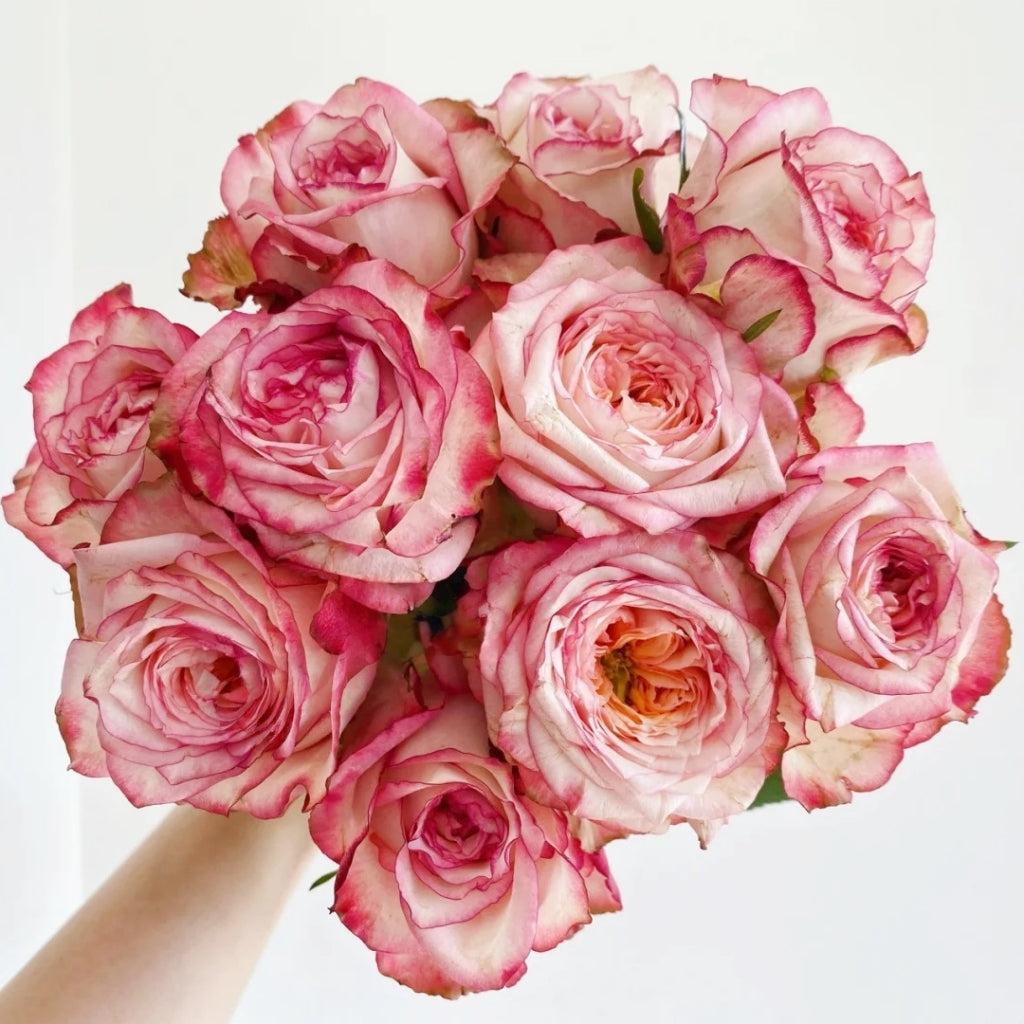
Embrace French Elegance: The Allure and Care of the Pink O'Hara Rose
Embrace French Elegance: The Allure and Care of the Pink O'Hara Rose
In the vast and enchanting world of roses, certain varieties stand out, captivating hearts with their unique charm and undeniable grace. Among these, the Pink O'Hara Rose, also known as Pink Lychee, emerges as a true gem. Hailing from the esteemed rose breeders of France, this exquisite cut rose offers a symphony of delicate beauty, intoxicating fragrance, and surprising resilience. Whether you're a seasoned rosarian or a budding gardener, the Pink O'Hara promises to transform your garden and floral arrangements into a testament of refined elegance.
This comprehensive guide is designed to introduce you to the unparalleled beauty of the Pink O'Hara Rose and equip you with the knowledge to cultivate it successfully. We'll delve into its distinct characteristics, explore the myriad benefits it brings, and provide a detailed growing and care regimen to ensure your rose thrives. Prepare to be enchanted by the French charm and lavender-kissed blooms of the Pink O'Hara.
Product Overview: The Allure of Pink O'Hara (Pink Lychee)
The Pink O'Hara Rose is not just a flower; it's an experience. Bred by Delbard in France and introduced in 2008, it quickly rose to prominence as a premium cut rose, celebrated for its exceptional qualities. Here's a closer look at what makes this variety so special:
-
Name & Origin:
Known as Pink O'Hara or Pink Lychee, this rose boasts a prestigious French lineage, a hallmark of quality and sophisticated breeding. -
Rose Type:
Primarily classified as a cut rose, its robust stems and long-lasting blooms make it ideal for bouquets and floral artistry, though it shines equally bright in the garden. -
Growth Status:
Our plants are typically offered as 2-year-old live specimens with strong, established roots, ensuring a vigorous start and fast establishment in your garden. -
Plant Height:
Reaching an impressive height of approximately 100 cm (around 3.3 feet), it forms an elegant, upright bush that is perfect for garden beds, borders, or even large containers. -
Fragrance:
One of its most captivating features is its intoxicating lavender fragrance. This unique scent sets it apart from many other pink roses, adding an extra layer of sensory delight to its visual appeal. -
Flower Color:
The blooms display a stunning gradient of color. They open in a delicate light pink, transitioning to deeper pink centers, and often fading to even paler, almost white, edges. This striking variation creates a sculptural, multi-dimensional look. -
Flower Size:
Pink O'Hara produces gigantic blooms, typically 10-14 cm (4-5.5 inches) in diameter. These generously sized flowers make a dramatic statement wherever they are placed. -
Petal Structure:
Each bloom features 10 or more petals, often forming a classic 'four hearts' structure. The outer petals are usually lighter, framing the richer, deeper hues within. -
Vase Life:
Renowned for its durability, a single bloom can last up to 10 days in a vase, providing extended enjoyment for your indoor arrangements. -
Resilience:
Bred for strength, Pink O'Hara exhibits exceptional disease resistance and a heat-tolerant flowering habit, making it a robust choice for various climates and gardener skill levels.
Benefits of Choosing Pink O'Hara for Your Garden
Beyond its undeniable beauty, the Pink O'Hara Rose offers a multitude of benefits that make it a highly desirable addition to any garden or floral enthusiast's collection:
-
Exquisite Visual Appeal:
The unique light pink to deep pink gradient, combined with its large, sculptural 'four hearts' blooms, creates a sophisticated and eye-catching display. It's a rose that demands attention and admiration. -
Unforgettable Lavender Fragrance:
Unlike many roses that offer a traditional rose scent, Pink O'Hara's distinct lavender fragrance provides a refreshing and elegant aromatic experience. This makes it a perfect choice for planting near patios, windows, or pathways where its perfume can be fully appreciated. -
Superior Cut Flower Quality:
With its long, sturdy stems and remarkable vase life of up to 10 days, Pink O'Hara is a dream for florists and home arrangers alike. It provides lasting beauty for weddings, special events, or simply to brighten your home. -
Disease Resistance & Heat Tolerance:
For gardeners seeking beauty without constant struggle, Pink O'Hara's inherent disease resistance and ability to perform well in warmer temperatures are significant advantages. This translates to less maintenance and more enjoyment. -
Versatile Garden Presence:
Its upright growth habit and moderate height make it adaptable to various garden designs. Plant it as a focal point, in mixed borders, as a hedge, or even in large containers to add a touch of French elegance to any space. -
A Gardener's Delight:
While premium in appearance, its robust nature and resilience make it suitable for both experienced rosarians and those new to rose cultivation. It offers a rewarding growing experience with stunning results.
Growing Guide: Planting Your Pink O'Hara Rose
To ensure your Pink O'Hara Rose flourishes and delivers its full potential, proper planting is crucial. Follow these steps for a successful start:
1. Site Selection:
- Sunlight: Roses thrive in full sun, meaning at least 6-8 hours of direct sunlight per day. Choose a spot that receives ample morning sun to help dry dew from leaves, reducing disease risk.
- Drainage: Good drainage is paramount. Roses hate 'wet feet.' If your soil is heavy clay, consider amending it significantly or planting in a raised bed.
- Air Circulation: Ensure good air circulation around the plant to prevent fungal diseases. Avoid planting too close to walls or other dense shrubs.
2. Soil Preparation:
- Rich, Loamy Soil: Pink O'Hara prefers rich, well-draining, loamy soil with a slightly acidic to neutral pH (6.0-7.0).
- Amendments: Dig a generous hole, at least 18-24 inches wide and deep. Amend the excavated soil with plenty of organic matter such as compost, well-rotted manure, or peat moss. This improves soil structure, fertility, and drainage.
3. Planting Steps:
- Hydrate the Plant: If your rose arrives bare-root, soak the roots in water for a few hours before planting. For potted plants, water thoroughly.
- Dig the Hole: Dig a hole wide enough to accommodate the roots comfortably without bending, and deep enough so that the graft union (the knobby part where the rose was budded) is at or slightly above soil level in warmer climates, or 2-3 inches below soil level in colder climates (USDA zones 6 and below) for winter protection.
- Position the Plant: Create a small mound of amended soil at the bottom of the hole. Place the rose on top of the mound, spreading the roots evenly downwards.
- Backfill: Carefully backfill the hole with your amended soil, gently firming it around the roots to remove air pockets.
- Water Thoroughly: Water deeply immediately after planting to settle the soil. You may need to add more soil if it settles too much.
- Mulch: Apply a 2-3 inch layer of organic mulch (like wood chips or shredded bark) around the base of the plant, keeping it a few inches away from the main stem. This helps retain moisture, regulate soil temperature, and suppress weeds.
4. Timing:
- The best time to plant Pink O'Hara roses is in early spring after the last frost, or in the fall several weeks before the first hard frost, allowing roots to establish before winter.
Care Tips for a Thriving Pink O'Hara Rose
Once planted, consistent care will ensure your Pink O'Hara Rose grows into a magnificent specimen, gracing your garden with its stunning blooms and fragrance.
1. Watering:
- Deep & Consistent: Roses need deep, consistent watering, especially during dry spells and hot weather. Aim to water at the base of the plant to avoid wetting foliage, which can encourage fungal diseases.
- Frequency: Typically, 1-2 inches of water per week is sufficient, either from rainfall or irrigation. Adjust based on your climate and soil type.
2. Fertilizing:
- Regular Feeding: Roses are heavy feeders. Begin fertilizing in early spring when new growth appears.
- Rose-Specific Fertilizer: Use a balanced granular rose fertilizer or a liquid feed according to package directions.
- Schedule: Fertilize every 4-6 weeks during the growing season, stopping about 6-8 weeks before the first anticipated frost to avoid encouraging tender new growth that could be damaged by cold.
3. Pruning:
- Annual Pruning: The main pruning is done in late winter or early spring, just as buds begin to swell. Remove dead, damaged, or diseased canes. Open up the center of the bush for better air circulation.
- Shaping: Cut back canes to an outward-facing bud to encourage outward growth and a pleasing shape.
- Deadheading: Throughout the blooming season, deadhead spent flowers by cutting the stem back to a five-leaflet leaf that faces outwards. This encourages the plant to produce more blooms instead of setting seeds.
4. Pest and Disease Management:
- Prevention: Good cultural practices are your best defense. Ensure good air circulation, proper watering, and regular garden hygiene (removing fallen leaves).
- Common Issues: Watch for common rose pests like aphids, spider mites, and Japanese beetles. Common diseases include black spot, powdery mildew, and rust.
- Treatment: Address issues promptly. Organic solutions like insecticidal soap or neem oil can be effective for pests. For fungal diseases, consider organic fungicides or choose disease-resistant varieties like Pink O'Hara.
5. Winter Protection (for colder zones):
- In USDA zones 6 and colder, provide winter protection. After the first hard frost, mound soil, compost, or shredded leaves around the base of the plant to cover the graft union. You can also use rose cones or burlap wraps for added insulation.
Common Mistakes to Avoid with Pink O'Hara Roses
Even with a resilient rose like Pink O'Hara, certain missteps can hinder its performance. Being aware of these common mistakes can help you ensure your rose thrives:
-
Insufficient Sunlight:
Planting in too much shade will result in fewer blooms, weaker growth, and increased susceptibility to diseases. Always aim for 6-8 hours of direct sun. -
Poor Drainage:
Roses are very sensitive to soggy soil. If water pools around the roots, it can lead to root rot and plant death. Always ensure excellent drainage. -
Over or Under-Watering:
Both extremes are detrimental. Consistently dry soil stresses the plant, while constantly wet soil invites disease. Stick to deep, consistent watering. -
Improper Pruning:
Neglecting to prune can lead to a leggy, unproductive plant. Incorrect pruning cuts can also damage the plant or encourage disease. Learn the basics of rose pruning for optimal health and bloom. -
Ignoring Pests and Diseases:
While Pink O'Hara is disease-resistant, it's not immune. Ignoring early signs of pests or diseases can lead to a rapid decline in plant health. Regular inspection and prompt action are key. -
Planting Too Deep or Shallow:
The graft union's position relative to the soil line is important for the rose's long-term health, especially in varying climates. -
Lack of Mulch:
Skipping mulch means more weeds, less consistent soil moisture, and greater temperature fluctuations, all of which stress the rose.
Pink O'Hara Rose vs. Other Popular Pink Roses
The world of pink roses is vast and beautiful, but the Pink O'Hara stands out with several distinctive characteristics. While many pink roses offer charm, Pink O'Hara's unique combination of features sets it apart:
-
Fragrance Profile:
Many pink roses possess a classic 'old rose' scent or a fruity aroma. Pink O'Hara's intoxicating lavender fragrance is a rare and sophisticated departure, offering a unique sensory experience that is often sought after. -
Color Gradient:
While other pink roses might be a solid pink hue or have subtle variations, Pink O'Hara's striking light pink to deeper pink center, often fading to pale edges, creates a dynamic and sculptural appearance that adds depth and interest. -
Bloom Size & Form:
Its gigantic 10-14 cm blooms with the classic 'four hearts' petal structure are often larger and more intricately formed than many standard pink hybrid teas or floribundas, making a grander statement. -
Vase Life:
While many cut roses offer good vase life, Pink O'Hara's impressive durability of up to 10 days is a significant advantage, ensuring your floral arrangements remain fresh and vibrant for longer periods. -
Disease Resistance:
While many modern roses boast improved disease resistance, Pink O'Hara's consistent performance in this regard, coupled with its heat tolerance, makes it a reliable choice for gardeners in various climates who prioritize lower maintenance. -
French Pedigree:
Its origin from Delbard, a renowned French breeder, lends it a certain prestige and speaks to the quality and refinement of its characteristics, distinguishing it from mass-produced varieties.
In essence, while other pink roses are undoubtedly lovely, Pink O'Hara offers a premium package of unique fragrance, stunning visual complexity, exceptional cut flower performance, and robust health, making it a truly distinguished choice.
Frequently Asked Questions About Pink O'Hara Rose
Q: Is Pink O'Hara a good rose for cutting and floral arrangements?
A: Absolutely! Pink O'Hara is specifically bred as a premium cut rose. Its long, sturdy stems, large blooms, and exceptional vase life of up to 10 days make it ideal for bouquets and arrangements.
Q: What does the Pink O'Hara Rose smell like?
A: It possesses a distinct and intoxicating lavender fragrance, which is quite unique among pink roses and highly cherished.
Q: Is the Pink O'Hara Rose disease resistant?
A: Yes, it is known for its exceptional disease resistance and heat-tolerant flowering habit, making it a robust and relatively low-maintenance choice for gardeners.
Q: How tall does the Pink O'Hara Rose grow?
A: This rose typically grows to about 100 cm (approximately 3.3 feet) in height, forming an elegant, upright bush.
Q: Can I grow Pink O'Hara in a container?
A: Yes, its upright growth habit makes it suitable for large containers, provided the container offers ample space for root growth, good drainage, and consistent watering and feeding.
Q: When does Pink O'Hara typically bloom?
A: Like most modern roses, Pink O'Hara is a repeat bloomer. It typically begins flowering in late spring or early summer and continues to produce blooms in flushes throughout the growing season until the first hard frost.
Q: What kind of light does Pink O'Hara need?
A: Pink O'Hara thrives in full sun, requiring at least 6-8 hours of direct sunlight per day to produce the most abundant and vibrant blooms.
Bring the Elegance Home: A Soft Call to Action
The Pink O'Hara Rose is more than just a plant; it's an investment in beauty, fragrance, and enduring charm for your garden and home. Its unique lavender scent, stunning color variations, and robust nature make it a standout choice for anyone looking to elevate their outdoor space or create breathtaking floral arrangements.
Imagine the delicate blush of its petals against lush green foliage, the gentle waft of lavender on a warm evening breeze, or a magnificent bouquet gracing your dining table. The Pink O'Hara Rose offers all this and more, delivering a touch of French sophistication to your everyday life. Consider adding this exceptional variety to your collection and experience the joy of cultivating a truly magnificent rose.