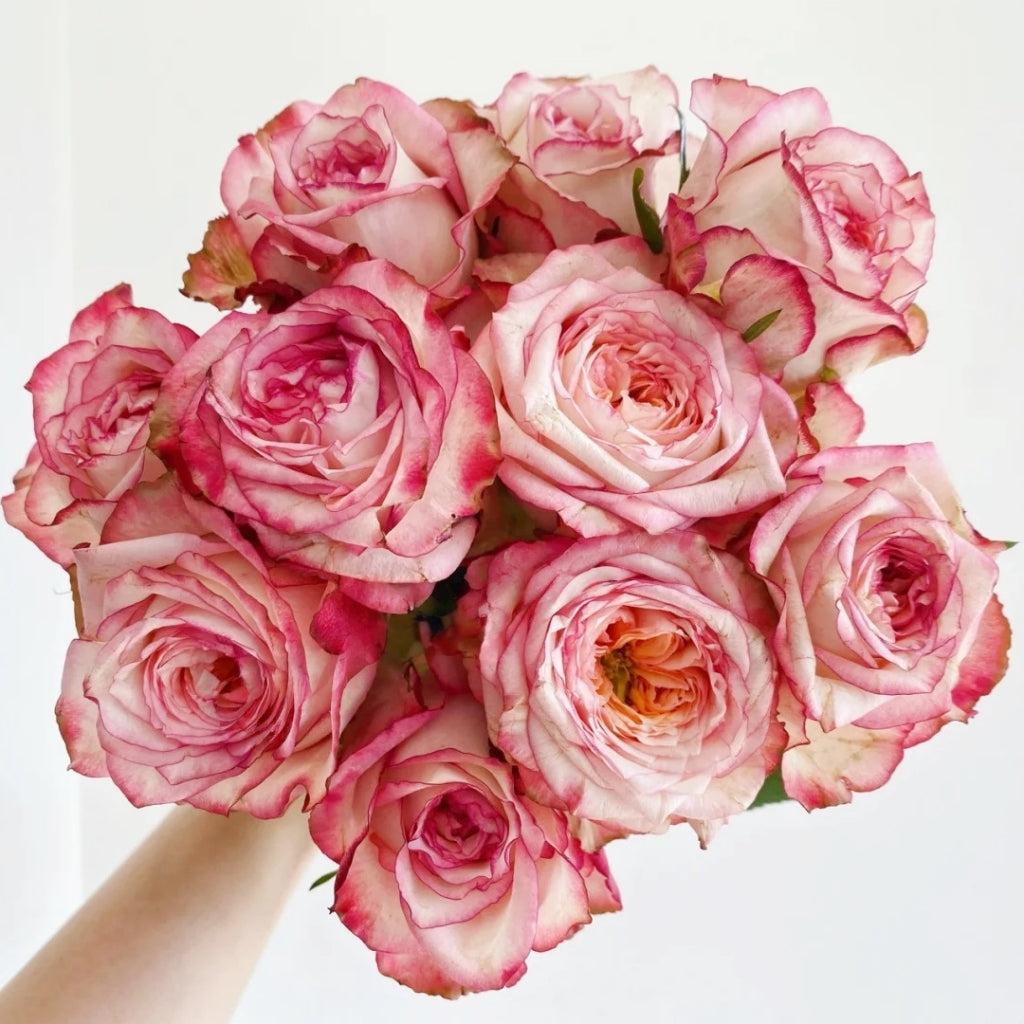
Unveiling the Janice Kellogg Rose: A Vibrant Red Jewel for Every North American Garden
Unveiling the Janice Kellogg Rose: A Vibrant Red Jewel for Every North American Garden
For gardeners across North America seeking a rose that combines breathtaking beauty with robust resilience, the Janice Kellogg Rose stands out as an exceptional choice. This French-bred shrub rose, introduced in 2006, has quickly earned a reputation for its vibrant, vivid red blooms, enchanting classic fragrance, and an impressive ability to thrive even in challenging conditions. Whether you're a seasoned rose collector or just beginning your journey into the world of roses, the Janice Kellogg offers a rewarding experience, promising a continuous display of color and perfume throughout the growing season.
In this comprehensive guide, we'll delve into the unique characteristics that make the Janice Kellogg Rose so special. We'll provide detailed insights into its optimal growing conditions, offer practical care tips, address common challenges, and help you unlock the full potential of this magnificent plant. Prepare to transform your garden into a haven of vibrant color and delightful fragrance with the Janice Kellogg Rose.
Why Choose the Janice Kellogg Rose? A Product Overview
The Janice Kellogg Rose isn't just another red rose; it's a carefully cultivated variety designed to deliver consistent performance and stunning visual appeal. Here's a closer look at what makes this shrub rose a must-have for your garden:
- Vivid, Vibrant Red Hues: The most striking feature of the Janice Kellogg Rose is its captivating color. Its blooms burst forth in a vivid, vibrant red, often displaying subtle hints of burgundy or purplish-red tones that add depth and richness. This intense coloration ensures it's a focal point in any garden setting.
- Classic Old-Rose Fragrance: Beyond its visual splendor, the Janice Kellogg Rose delights the senses with a fresh and pleasantly appealing classic old-rose fragrance. This delightful perfume makes it ideal for planting near patios, walkways, or windows where its scent can be fully appreciated.
- Exquisite Bloom Form: Each flower boasts a generous diameter of 10-12 cm, featuring a high-centered, cup-shaped bloom. The petal edges may occasionally show a softly ruffled finish, adding an extra layer of elegance. With approximately 40-50 petals per bloom, the flowers are full and luxurious.
- Vigorous and Healthy Plant: Growing to an average height of 120 cm (approximately 4 feet), this shrub rose develops into a vigorous plant with deep green, semi-glossy foliage. Its robust growth habit ensures a strong, well-branched structure.
- Exceptional Heat Tolerance: A significant advantage for gardeners in warmer climates, the Janice Kellogg Rose exhibits good heat tolerance. It reliably continues blooming even during high summer temperatures, a characteristic not all roses share.
- Strong Disease Resistance: Gardeners will appreciate its strong resistance to common rose diseases, particularly black spot. This inherent resilience means less time spent on disease management and more time enjoying your beautiful blooms.
- Ready to Thrive: When you acquire a Janice Kellogg Rose from us, you receive a 2-year-old live plant with strong, established roots, ready to settle into your garden and begin its journey of growth and bloom.
The Benefits of Cultivating Janice Kellogg Roses
Choosing the Janice Kellogg Rose for your garden brings a multitude of benefits that extend beyond its immediate beauty:
Reliable and Abundant Blooms
One of the greatest joys of gardening is seeing your efforts rewarded with beautiful flowers. The Janice Kellogg Rose is a prolific bloomer, offering a continuous flush of vibrant red flowers from late spring through fall. Its reliable blooming, even in summer heat, ensures your garden remains colorful and lively for months on end.
Low Maintenance for High Impact
Thanks to its vigorous growth and strong disease resistance, the Janice Kellogg Rose requires less intensive care compared to some more delicate rose varieties. This makes it an excellent choice for busy gardeners or those new to rose cultivation who still desire a high-impact display.
Versatility in Landscape Design
Standing at a manageable height of 120 cm, the Janice Kellogg Rose is incredibly versatile. It can be planted as a stunning specimen plant, grouped to create a vibrant hedge, incorporated into mixed borders, or even grown in large containers. Its deep green foliage provides a beautiful backdrop for its fiery red blooms, complementing various garden styles.
Sensory Delight
The combination of its vivid color and classic old-rose fragrance creates a truly immersive sensory experience. Plant it where you can enjoy its scent daily – near a seating area, by a window, or along a frequently used path. It's an invitation to pause, breathe deeply, and appreciate nature's artistry.
A Healthy Addition to Your Garden Ecosystem
A healthy plant contributes to a healthier garden. The Janice Kellogg Rose's natural resistance to black spot means less need for chemical treatments, promoting a more environmentally friendly gardening practice and contributing to a balanced ecosystem in your yard.
Growing Guide: Planting Your Janice Kellogg Rose for Success
To ensure your Janice Kellogg Rose thrives, proper planting is crucial. Our 2-year-old live plants with strong roots are ready for a great start.
1. Site Selection
Roses are sun-lovers. Choose a location in your garden that receives at least 6-8 hours of direct sunlight per day. Good air circulation is also important to help prevent fungal diseases, so avoid planting in overly crowded areas. Ensure the site has well-draining soil; roses dislike "wet feet."
2. Soil Preparation
The Janice Kellogg Rose prefers a rich, loamy soil with a pH between 6.0 and 6.5. If your soil is heavy clay, amend it with organic matter like compost, aged manure, or peat moss to improve drainage and fertility. For sandy soils, organic matter will help retain moisture and nutrients. Dig a hole that is twice as wide as the root ball and just as deep.
3. Planting Your Live Rose Plant
- Hydrate: Before planting, give your rose plant a good drink of water. If it's bare-root, soak the roots in water for a few hours. Since you're receiving a live, potted plant, ensure the soil in the pot is moist.
- Positioning: Carefully remove the rose from its nursery pot. Gently loosen any circling roots at the bottom. Place the plant in the center of the prepared hole. The bud union (the knobby part where the rose was grafted, usually visible just above the roots) should be at or just below the soil line in colder climates (USDA Zones 5 and below) to protect it from winter damage, and at or slightly above the soil line in warmer climates.
- Backfill: Backfill the hole with your amended soil, gently firming it around the roots to remove air pockets.
- Water Thoroughly: After planting, water deeply to settle the soil. Create a small soil berm around the edge of the planting hole to help retain water.
Essential Care Tips for a Flourishing Janice Kellogg Rose
Once planted, consistent care will ensure your Janice Kellogg Rose reaches its full potential.
Watering
Regular watering is key, especially during dry spells and in its first year. Aim for deep watering 2-3 times a week, rather than frequent shallow watering. This encourages roots to grow deeper. Check the soil moisture by sticking your finger about an inch or two deep – if it feels dry, it's time to water. Avoid overhead watering late in the day, as wet foliage overnight can encourage fungal issues.
Fertilizing
Roses are hungry plants. Begin fertilizing in early spring after the first flush of new growth, and continue every 4-6 weeks until late summer. Use a balanced rose fertilizer or a slow-release granular fertilizer. Always follow the product's instructions. Avoid fertilizing too late in the season, as this can stimulate tender new growth that is vulnerable to winter damage.
Pruning
Pruning is essential for maintaining plant health, shape, and encouraging abundant blooms. The best time for major pruning is in early spring, just as new growth begins and after the last hard frost. Remove any dead, damaged, or diseased canes. Open up the center of the plant to improve air circulation. Throughout the season, deadhead spent blooms by cutting back to the first set of five leaves to encourage new flower production.
Pest and Disease Management
While the Janice Kellogg Rose boasts strong resistance to black spot, vigilance is still important. Regularly inspect your plant for signs of pests like aphids or spider mites, and diseases such as powdery mildew. Often, a strong spray of water can dislodge pests. For more persistent issues, consider organic insecticidal soaps or horticultural oils. Good garden hygiene, like cleaning up fallen leaves, also helps prevent disease.
Winter Protection (for Colder Climates)
In USDA Zones 6 and colder, your Janice Kellogg Rose will benefit from winter protection. After the first hard frost, mound soil, compost, or shredded leaves around the base of the plant to a height of 10-12 inches. You can also cover the entire plant with a rose cone or burlap wrap for added insulation, especially for the first few winters. Remove protection gradually in early spring as temperatures rise.
Common Mistakes to Avoid with Your Janice Kellogg Rose
Even with a robust rose like Janice Kellogg, avoiding common pitfalls can make a big difference in its performance:
- Underwatering or Overwatering: Both extremes are detrimental. Consistent, deep watering is key. Signs of underwatering include wilting leaves; overwatering can lead to yellowing leaves and root rot.
- Improper Pruning: Hesitating to prune, or pruning incorrectly, can lead to leggy growth, reduced blooms, and increased disease susceptibility. Don't be afraid to make clean cuts to promote healthy growth.
- Insufficient Sunlight: Planting in too much shade will result in fewer flowers, weaker growth, and a higher risk of fungal diseases. Remember, 6-8 hours of direct sun is ideal.
- Neglecting Soil Health: Roses thrive in fertile, well-draining soil. Ignoring soil amendments or consistent feeding can lead to nutrient deficiencies and a less vigorous plant.
- Late Season Fertilizing: Fertilizing too late in the fall can encourage new growth that won't have time to harden off before winter, making it susceptible to frost damage.
Janice Kellogg Rose vs. Other Red Shrub Roses
While many beautiful red shrub roses exist, the Janice Kellogg Rose offers a compelling combination of features that set it apart:
- Heat Tolerance: Unlike some red roses that may "fry" or cease blooming in intense summer heat, the Janice Kellogg Rose reliably continues its vibrant display, making it a superior choice for warmer regions.
- Disease Resistance: Its strong resistance to black spot, a common nemesis for many rose growers, significantly reduces the need for chemical interventions and makes for a healthier, happier plant with less effort.
- Classic Fragrance: While some modern shrub roses prioritize bloom form or disease resistance over scent, the Janice Kellogg beautifully marries these qualities with a delightful, authentic old-rose fragrance.
- Vigorous Growth: Its robust and upright growth habit creates a strong, attractive shrub that provides excellent structure and consistent bloom production.
For gardeners prioritizing a combination of vibrant color, classic scent, and exceptional resilience against heat and disease, the Janice Kellogg Rose often outperforms many other red shrub rose varieties in its class.
Frequently Asked Questions About the Janice Kellogg Rose
Q: What is the best time to plant the Janice Kellogg Rose?
A: In most North American climates, spring after the last frost is ideal. This allows the plant to establish its root system before the heat of summer. Fall planting is also possible in milder climates (USDA Zones 7 and above), giving the roots time to settle before winter.
Q: How tall does the Janice Kellogg Rose get?
A: The Janice Kellogg Rose typically grows to about 120 cm (approximately 4 feet) in height, making it a medium-sized shrub rose.
Q: Is the Janice Kellogg Rose fragrant?
A: Yes, it boasts a lovely, classic old-rose fragrance that is fresh and appealing, making it a wonderful addition to any sensory garden.
Q: Is this rose disease resistant?
A: Yes, the Janice Kellogg Rose is known for its strong resistance to common rose diseases, particularly black spot, which is a significant advantage for gardeners.
Q: Can I grow the Janice Kellogg Rose in a container?
A: Yes, its mature height of 120 cm makes it suitable for large containers (at least 20-24 inches in diameter) as long as it receives adequate sunlight, water, and nutrients. Ensure the container has excellent drainage.
Q: How often should I fertilize my Janice Kellogg Rose?
A: Begin fertilizing in early spring after new growth appears, and continue every 4-6 weeks until late summer. Always follow the specific instructions on your chosen rose fertilizer.
Q: What kind of sun exposure does it need?
A: The Janice Kellogg Rose thrives in full sun, requiring at least 6-8 hours of direct sunlight per day for optimal blooming and health.
Bring the Vibrant Beauty of Janice Kellogg Rose to Your Garden
The Janice Kellogg Rose is more than just a plant; it's an investment in enduring beauty, delightful fragrance, and gardening success. Its vibrant red blooms, combined with its impressive heat tolerance and disease resistance, make it an ideal choice for North American gardeners seeking a high-impact, yet manageable, rose.
Imagine your garden adorned with its continuous flushes of rich red, filling the air with a classic rose scent. Whether you're enhancing an existing rose bed, creating a new focal point, or adding a touch of elegance to your patio in a container, the Janice Kellogg Rose is poised to exceed your expectations.
Ready to experience the unparalleled charm and resilience of this exquisite shrub rose? Explore our selection of 2-year-old live Janice Kellogg Rose plants, ready to bring their strong roots and vibrant potential to your landscape. Cultivate a garden that truly stands out with a rose designed for beauty and performance.