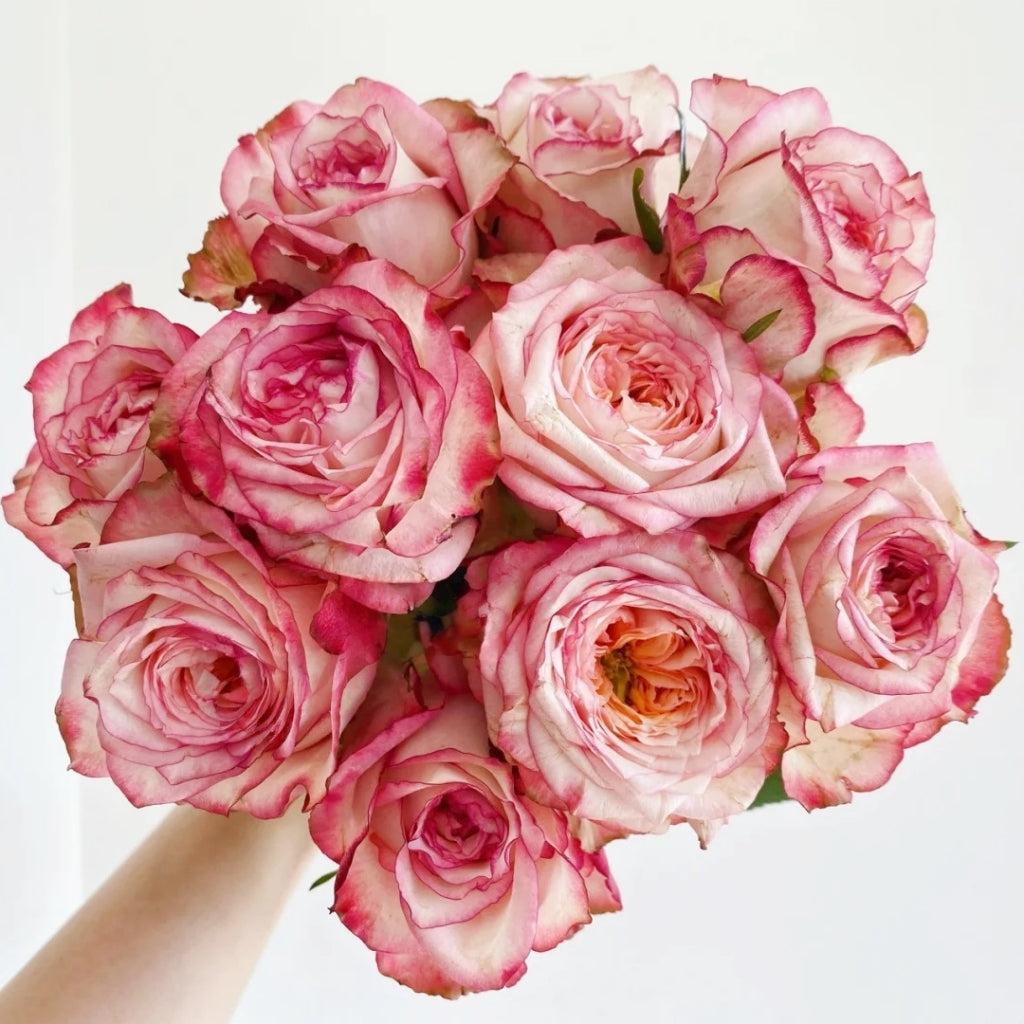
The Allure of Tess Rose: A David Austin Deep Red Velvet Beauty for Your Garden and Vases
The Allure of Tess Rose: A David Austin Deep Red Velvet Beauty for Your Garden and Vases
There's an undeniable magic to a deep red rose, a symbol of passion, beauty, and timeless elegance. Among the vast array of exquisite roses, the Tess Rose, a distinguished creation from David Austin, stands out with its rich, velvety allure. Whether you're a seasoned rose collector or a budding gardener looking to add a touch of drama and sophistication to your landscape, the Tess Rose offers an unparalleled experience. This article will guide you through everything you need to know about this magnificent variety, from its unique characteristics to expert growing and care tips, ensuring your Tess Rose thrives and enchants for years to come.
Meet the Tess Rose: A Portrait of Deep Red Elegance
The Tess Rose (also known by its synonym AUsyacht) was introduced by David Austin in 2013, quickly earning its place as a favorite for both garden display and floral arrangements. It's a versatile rose, categorized as both a cut rose and a shrub rose, making it a dual-purpose gem for any enthusiast.
Key Characteristics of the Tess Rose:
- Color & Texture: The most striking feature of the Tess Rose is its intense, deep red color, often described as having a reddish-purple base that adds depth and complexity. Its petals boast a luxurious, velvet-like texture, making each bloom a tactile and visual delight.
- Flower Form: Tess produces large flowers, typically 8–10 cm in diameter. When fully opened, they form a stunning deep disc-shaped lotus seat, with large outer petals gracefully surrounding smaller, central folds.
- Fragrance: While its visual appeal is paramount, the Tess Rose also offers a light, pleasant fragrance, adding a subtle sensory layer to its charm.
- Growth Habit: This rose develops into an upright shrub, reaching an average height of 120cm. Its leathery leaves contribute to its robust appearance and overall plant vigor.
- Blooming Habit: One of the Tess Rose's most desirable traits is its repeated, multi-season flowering. This means you can enjoy its magnificent blooms not just once, but throughout the growing season, providing continuous color and beauty.
- Disease Resistance: Gardeners will appreciate its strong disease resistance, which translates to easier maintenance and a healthier, more vibrant plant.
- Plant Status: We provide 2-year-old live plants with strong roots, ensuring quick establishment and a head start in your garden.
Why Choose the Tess Rose for Your Garden?
Beyond its sheer beauty, the David Austin Tess Rose offers a multitude of benefits that make it an exceptional choice for any gardener or rose lover:
Stunning Visual Impact
The deep red, velvety blooms of the Tess Rose are simply breathtaking. They create a focal point in any garden bed, border, or container, drawing the eye with their rich color and elegant form. The reddish-purple undertones add a sophisticated dimension not commonly found in other red roses.
Versatility in Use
As a true dual-purpose rose, Tess excels both as a garden shrub and as a cut flower. Its sturdy stems and long-lasting blooms make it perfect for creating dramatic bouquets and floral arrangements that bring the garden's beauty indoors. In the garden, its upright habit makes it suitable for mixed borders, specimen planting, or even as a low hedge.
Reliable Performance
With its strong disease resistance and repeated flowering habit, the Tess Rose is a reliable performer. It offers consistent beauty throughout the season with less fuss, making it a rewarding choice for both experienced and novice gardeners.
Quick Establishment
Receiving a 2-year-old live plant with strong roots means your Tess Rose is ready to thrive. This established growth stage significantly reduces the time it takes for the plant to settle in and produce its spectacular blooms, giving you faster gratification.
David Austin Pedigree
Hailing from the renowned David Austin breeding program, the Tess Rose carries a legacy of quality, beauty, and garden performance. You're investing in a rose developed by experts known for their exceptional varieties.
Growing Guide: Planting Your Tess Rose for Success
To ensure your Tess Rose flourishes, proper planting is key. Follow these steps to give your 2-year-old live plant the best possible start:
1. Choosing the Right Location
- Sunlight: Roses, especially David Austin varieties, crave sunlight. Choose a spot that receives at least 6-8 hours of direct sunlight per day. Morning sun is particularly beneficial as it helps dry dew from the leaves, reducing fungal issues.
- Soil: Tess Rose thrives in well-draining, fertile soil rich in organic matter. A slightly acidic to neutral pH (6.0-7.0) is ideal. If you have heavy clay or sandy soil, amend it generously with compost, aged manure, or other organic materials to improve drainage and nutrient retention.
- Air Circulation: Good air circulation around the plant helps prevent diseases. Avoid planting too close to walls or other dense plantings.
2. Preparing the Planting Hole
- Dig a hole that is twice as wide as the root ball and just as deep. This allows the roots to spread out comfortably.
- Loosen the soil at the bottom of the hole and mix in some compost or bone meal to provide initial nutrients.
3. Planting Your Tess Rose
- Carefully remove the rose from its container, trying not to disturb the root ball too much.
- Place the plant in the center of the hole. For grafted roses, ensure the graft union (the knobby part where the rose was joined to the rootstock) is at or slightly below soil level in colder climates, and at or slightly above in warmer climates.
- Backfill the hole with the amended soil, gently firming it around the roots to remove air pockets.
- Water thoroughly immediately after planting to help settle the soil.
Care Tips: Nurturing Your Tess Rose
Once planted, consistent care will ensure your Tess Rose produces an abundance of its stunning deep red blooms.
Watering
- Consistency is Key: Roses prefer consistent moisture. Water deeply and regularly, especially during dry spells and the first growing season. Aim to water at the base of the plant to keep foliage dry and prevent fungal diseases.
- Frequency: Depending on your climate and soil, this might mean watering 2-3 times a week. Stick your finger an inch or two into the soil; if it feels dry, it's time to water.
Fertilization
- Spring Boost: In early spring, as new growth emerges, apply a balanced rose fertilizer or a slow-release granular fertilizer.
- Mid-Season Feed: After the first flush of blooms, a second application of fertilizer can encourage repeat flowering.
- Late Season: Avoid fertilizing after late summer, as this can stimulate tender new growth that is vulnerable to winter damage.
- Organic Options: Compost, aged manure, and fish emulsion are excellent organic alternatives that enrich the soil over time.
Pruning
- Annual Pruning (Late Winter/Early Spring): This is the most important pruning. Remove any dead, damaged, or diseased canes. Open up the center of the plant to improve air circulation. Cut back about one-third to one-half of the previous year's growth, shaping the plant for optimal bloom production.
- Deadheading (During Blooming Season): Remove spent flowers by cutting the stem back to a strong leaf with five leaflets, just above an outward-facing bud. This encourages the plant to produce more blooms instead of setting seeds.
Pest and Disease Management
While Tess Rose boasts strong disease resistance, vigilance is always recommended.
- Regular Inspection: Periodically check your rose for signs of common pests like aphids, spider mites, or diseases like black spot or powdery mildew.
- Early Intervention: Address issues promptly. Often, a strong spray of water can dislodge pests. For diseases, remove affected leaves and consider organic fungicides if necessary. Good air circulation and proper watering practices are your best defense.
Winter Protection (for Colder Climates)
In USDA Zones 6 and colder, some winter protection may be beneficial:
- Mounding: After the first hard frost, mound soil, compost, or shredded leaves around the base of the plant to protect the graft union and lower canes.
- Covering: Rose cones or burlap wraps can offer additional protection, especially for younger plants.
Common Mistakes to Avoid with Tess Rose
Even with a robust rose like Tess, certain missteps can hinder its performance. Be mindful of these common errors:
- Insufficient Sunlight: Planting in too much shade will result in fewer blooms, leggy growth, and increased susceptibility to diseases.
- Poor Drainage: Roses hate 'wet feet.' Waterlogged soil can lead to root rot and other serious issues. Ensure your soil drains well.
- Overwatering or Underwatering: Both extremes are detrimental. Aim for consistent, deep watering, allowing the topsoil to dry slightly between waterings.
- Improper Pruning: Neglecting annual pruning can lead to a less vigorous plant with fewer, smaller blooms. Incorrect deadheading can also reduce repeat flowering.
- Ignoring Early Signs of Trouble: Pests and diseases are easier to manage when caught early. Regular inspection is crucial.
- Planting Too Deep or Too Shallow: Pay attention to the graft union placement during planting, as mentioned in the growing guide.
Tess Rose Compared to Other Deep Red Roses
While many roses boast a red hue, the Tess Rose distinguishes itself through a unique combination of characteristics that set it apart in the world of deep red varieties.
- The David Austin Signature: As a David Austin rose, Tess carries the hallmark of their breeding philosophy: combining the charm and fragrance of old garden roses with the repeat-flowering and disease resistance of modern roses. Many other red roses, while beautiful, may lack this specific blend of attributes.
- Velvet Petal Texture: The luxurious, velvety texture of Tess's petals is a standout feature. This isn't just a visual appeal; it adds a tactile richness that elevates its presence in both the garden and a vase. Not all deep red roses achieve this distinct feel.
- Deep Disc-Shaped Lotus Seat Form: The unique way Tess's large outer petals frame the central, smaller folds, creating a 'deep disc-shaped lotus seat' when fully open, is a specific and highly attractive characteristic. This intricate form gives it a classic, opulent look that differs from the more standard cupped or high-centered forms of many hybrid teas or floribundas.
- Reddish-Purple Petal Base: The subtle reddish-purple base to its deep red petals adds a layer of complexity and depth to its color that can appear more sophisticated and less monochromatic than some other pure red varieties.
- Strong Disease Resistance: While many modern red roses offer good disease resistance, Tess's 'strong' rating provides an extra layer of confidence for gardeners seeking a low-maintenance yet high-impact plant.
- Versatility as a Cut & Shrub Rose: Its suitability for both garden display and cutting is a significant advantage. Some red roses are bred primarily for cutting (often with less garden presence), while others are purely for landscape (sometimes with less ideal cutting stems). Tess strikes a beautiful balance.
In essence, choosing Tess Rose means selecting a deep red rose that offers not just color, but a rich tapestry of texture, form, and reliable performance, all backed by the esteemed David Austin name.
Frequently Asked Questions About Tess Rose
Q: Is Tess Rose fragrant?
A: Yes, the Tess Rose has a light, pleasant fragrance, adding to its overall appeal without being overpowering.
Q: How tall does Tess Rose get?
A: The Tess Rose typically grows to a height of about 120cm (approximately 4 feet), making it a good size for various garden applications.
Q: Can I grow Tess Rose in a container?
A: Yes, Tess Rose can be successfully grown in a large container. Choose a pot that is at least 18-24 inches in diameter and depth to allow for adequate root growth. Ensure the container has good drainage holes and use a high-quality potting mix designed for roses or flowering plants. Container-grown roses may require more frequent watering and feeding.
Q: Is Tess Rose good for cutting?
A: Absolutely! Tess Rose is specifically bred as a cut rose, known for its strong stems, long vase life, and stunning deep red, velvety blooms that make exquisite floral arrangements.
Q: What kind of soil does Tess Rose prefer?
A: Tess Rose thrives in well-draining, fertile soil that is rich in organic matter. A slightly acidic to neutral pH (6.0-7.0) is ideal for optimal growth and bloom production.
Q: How often does Tess Rose bloom?
A: Tess Rose is a repeat-flowering variety, meaning it will produce multiple flushes of blooms throughout the growing season, from late spring until the first hard frost.
Add the Deep Red Elegance of Tess Rose to Your Garden
The David Austin Tess Rose is more than just a plant; it's an experience. Its deep red, velvety blooms, combined with its robust health and reliable repeat flowering, make it a truly exceptional addition to any garden or floral collection. Whether you envision it as a dramatic focal point in your landscape or as the star of your next homemade bouquet, Tess Rose promises to deliver beauty and sophistication.
Ready to bring this magnificent David Austin rose into your life? Explore the Tess Rose and discover its timeless charm. Your garden, and your vases, will thank you for it.