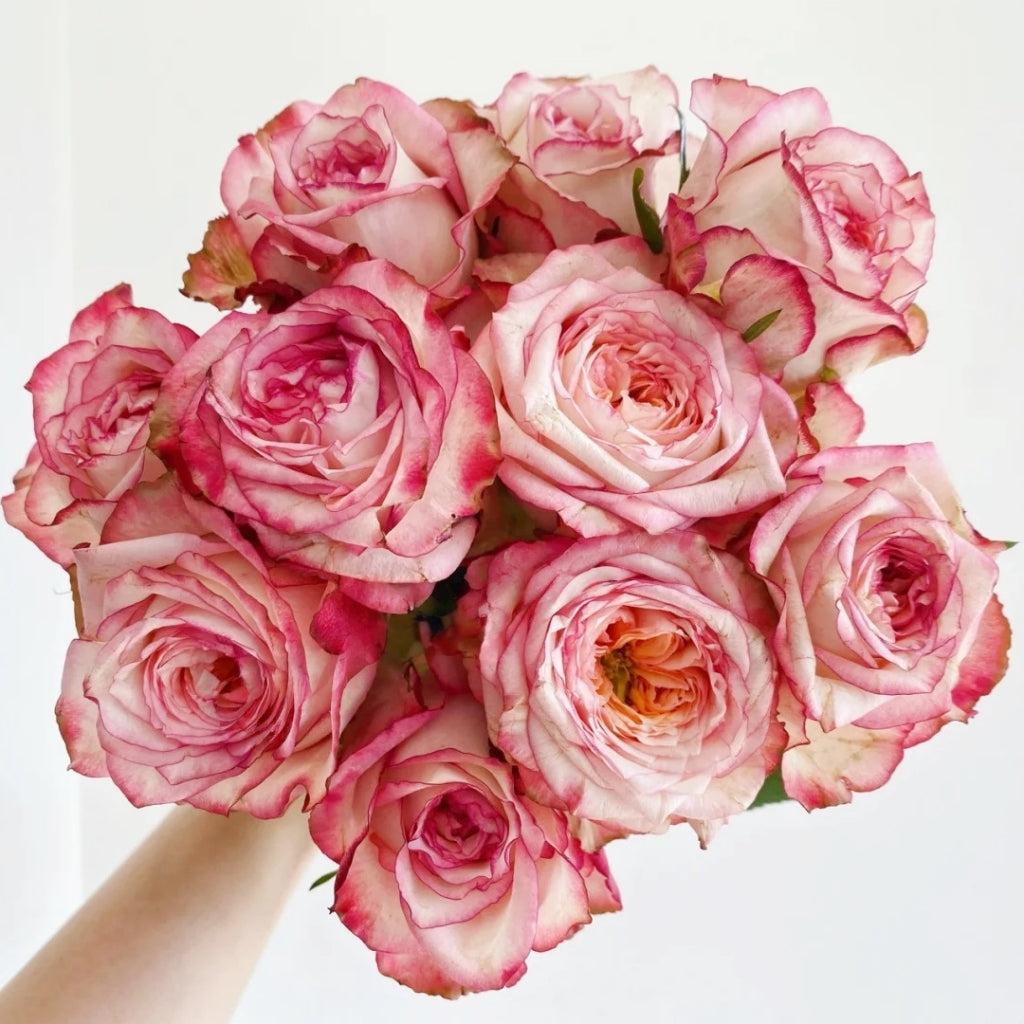
Unveiling the Munstead Wood Rose: A Deep Red Jewel for North American Gardens
Unveiling the Munstead Wood Rose: A Deep Red Jewel for North American Gardens
For centuries, the rose has been a symbol of beauty, love, and passion. Among the vast array of exquisite roses available to gardeners today, the David Austin varieties stand out for their classic English charm, robust health, and often, their intoxicating fragrances. The 'Munstead Wood' Rose is a shining example of this legacy, a truly magnificent shrub rose that has captured the hearts of rose enthusiasts across North America.
With its deep, velvety crimson blooms and an exceptionally strong, old rose fragrance, Munstead Wood is more than just a plant; it's an experience. Whether you're a seasoned rose collector or a budding gardener looking to add a touch of timeless elegance to your landscape, this rose promises to deliver unparalleled beauty and sensory delight. This article will delve into everything you need to know about cultivating and caring for your Munstead Wood Rose, ensuring it thrives and becomes a cherished centerpiece in your garden.
The Allure of Munstead Wood Rose: A Product Overview
Introduced by David Austin Roses in 2010, the Munstead Wood Rose (also known by its cultivar name, AUSbernard) quickly earned its place as a favorite. Named after Gertrude Jekyll's famous garden in Surrey, England, this rose embodies the spirit of traditional English gardens with its romantic form and rich color.
Key Characteristics:
- Name: Munstead Wood Rose (AUSbernard)
- Origin: David Austin Roses, England (2010)
- Rose Type: English Shrub Rose / Cut Rose
- Color: Deep, rich crimson red, often with subtle amethyst tones, maturing to a velvety purple-red.
- Fragrance: Exceptionally strong, classic old rose scent with fruity undertones. It's often described as one of the most fragrant David Austin roses.
- Flower Size: Large, typically 8-10 cm (3-4 inches) in diameter.
- Petals: Approximately 75 velvety petals, forming a deeply cupped bloom that eventually opens to a more rounded, pom-pom shape, revealing delicate pale yellow stamens at its heart.
- Growth Habit: A medium-sized, bushy shrub rose, reaching an average height of about 120 cm (4 feet) and a similar spread. Our live plants are typically 2-year-old, well-established specimens ready for vigorous growth.
- Blooming Season: Offers an extended flowering period, typically from early summer through fall, with flushes of abundant blooms.
- Hardiness: Known for its excellent cold tolerance, disease resistance, and adaptability to various conditions, including drought and heat once established.
- Versatility: Perfect as a specimen plant, in mixed borders, as a low hedge, or for container growing. Its strong stems and exquisite blooms also make it an outstanding cut flower for bouquets.
The Munstead Wood Rose is celebrated not just for its beauty but also for its robust nature, making it a reliable choice for gardeners seeking both aesthetic appeal and ease of care.
Benefits of Choosing Munstead Wood Rose
Selecting the right rose for your garden involves considering many factors, but the Munstead Wood Rose consistently rises to the top for several compelling reasons:
Unforgettable Fragrance
Perhaps its most celebrated attribute, the strong, classic old rose fragrance of Munstead Wood is simply captivating. It's the kind of scent that stops you in your tracks, filling your garden with a nostalgic aroma that evokes memories of traditional rose gardens. Planting it near a patio, walkway, or window allows you to fully appreciate this exquisite perfume.
Stunning Visual Impact
The deep crimson color of Munstead Wood is truly mesmerizing. The velvety texture of its numerous petals creates a sense of depth and luxury, making each bloom a work of art. As the flowers mature, they reveal a charming pom-pom shape with contrasting yellow stamens, adding another layer of visual interest. This rose is a guaranteed showstopper in any landscape.
Versatility in the Garden
Munstead Wood is incredibly versatile. Its manageable shrub size makes it suitable for various garden applications. Use it as a focal point in a mixed border, plant several together for a fragrant hedge, or grow it in a large container on your deck or patio. Its strong stems also make it an ideal cut flower, bringing its beauty and fragrance indoors to brighten any room.
Robust & Resilient Performance
David Austin roses are bred for both beauty and resilience, and Munstead Wood is no exception. It exhibits good disease resistance, particularly to common rose ailments like black spot and powdery mildew, reducing the need for extensive chemical treatments. Furthermore, its cold tolerance makes it a reliable choice for many North American climates, and it shows good adaptability to drought and heat once established.
A David Austin Legacy
Choosing a David Austin rose means investing in a plant developed by one of the world's most respected rose breeders. Their commitment to combining the charm of old garden roses with the repeat flowering and disease resistance of modern varieties ensures you're getting a rose of exceptional quality and proven performance.
Growing Guide: Planting Your Munstead Wood Rose
Proper planting is the foundation for a healthy, thriving Munstead Wood Rose. Follow these steps to give your new rose the best possible start:
Choosing the Right Location
Roses are sun-lovers. Select a spot in your garden that receives at least 6-8 hours of direct sunlight per day. Good air circulation is also crucial to prevent fungal diseases, so avoid planting in overly crowded areas. Ensure the location has well-draining soil, as roses dislike "wet feet."
Soil Preparation
Munstead Wood thrives in rich, loamy soil with a pH between 6.0 and 6.5. If your soil is heavy clay or very sandy, amend it generously with organic matter such as compost, well-rotted manure, or peat moss. This improves drainage in clay soils and enhances water retention in sandy soils, while also providing essential nutrients.
Planting Steps
- Unpack and Hydrate: Upon arrival, carefully unpack your 2-year-old live Munstead Wood Rose. If the roots appear dry, soak the root ball in a bucket of water for 30 minutes to an hour.
- Dig the Hole: Dig a hole that is twice as wide as the root ball and deep enough so that the bud union (the knobby part where the rose was grafted) will be at or slightly below the soil line in colder climates (USDA Zones 5-6) or just above the soil line in warmer climates (Zones 7-9).
- Amend the Soil: Mix some of your prepared organic matter with the soil you removed from the hole.
- Position the Plant: Create a small mound of soil at the bottom of the hole. Place the rose on top of this mound, spreading the roots gently outwards. Ensure the bud union is at the correct depth for your climate.
- Backfill and Water: Carefully backfill the hole with the amended soil, gently firming it around the roots to remove air pockets. Water thoroughly immediately after planting to settle the soil.
- Mulch: Apply a 2-3 inch layer of organic mulch (such as shredded bark, compost, or pine needles) around the base of the rose, keeping it a few inches away from the main stem. Mulch helps retain moisture, suppress weeds, and regulate soil temperature.
Care Tips for a Thriving Munstead Wood Rose
Once planted, consistent care will ensure your Munstead Wood Rose flourishes and produces its spectacular blooms year after year.
Watering
Roses need consistent moisture, especially during their first year and hot, dry spells. Water deeply and regularly, aiming for the root zone. Avoid frequent, shallow watering, which encourages surface roots. It's best to water in the morning to allow foliage to dry before nightfall, reducing the risk of fungal diseases. Drip irrigation or soaker hoses are excellent choices.
Fertilizing
Feed your Munstead Wood Rose with a balanced rose fertilizer in early spring as new growth emerges. Repeat after the first flush of blooms and again in mid-summer. Avoid fertilizing late in the season (after late July or early August in most regions), as this can encourage tender new growth that is vulnerable to winter damage.
Pruning
Pruning is essential for maintaining the health, shape, and bloom production of your rose.
- Winter/Early Spring Pruning: This is the main pruning session. Remove any dead, diseased, or damaged wood. Cut back canes to an outward-facing bud, aiming to create an open, vase-like structure that allows for good air circulation. Remove weak, spindly growth.
- Deadheading: Throughout the blooming season, deadhead spent flowers by cutting the stem back to a strong leaf with five leaflets, just above an outward-facing bud. This encourages the plant to produce more blooms instead of putting energy into seed production.
Pest and Disease Management
While Munstead Wood boasts good disease resistance, no rose is entirely immune. Regular inspection is key.
- Prevention: Good air circulation, proper watering, and keeping the area around the rose clean can prevent many issues.
- Common Pests: Aphids, spider mites, and Japanese beetles are common. Hand-picking, a strong spray of water, or insecticidal soap can often manage minor infestations.
- Common Diseases: Black spot and powdery mildew can occur. Ensure good air circulation. If needed, use organic fungicides (like neem oil) or targeted chemical treatments according to product instructions.
Winter Protection
For gardeners in colder climates (USDA Zones 5-6), winter protection is advisable. After the first hard frost, mound several inches of soil, compost, or shredded leaves around the base of the rose to protect the bud union. In very harsh climates, you might also consider wrapping the canes with burlap or using a rose cone.
Common Mistakes to Avoid
Even experienced gardeners can make mistakes. Here are some common pitfalls to avoid when growing Munstead Wood Rose:
- Underwatering or Overwatering: Both extremes are detrimental. Consistent, deep watering is crucial. Soggy soil leads to root rot, while dry soil stresses the plant.
- Insufficient Sunlight: Planting in too much shade will result in fewer blooms, weaker growth, and increased susceptibility to diseases.
- Poor Soil Preparation: Skimping on soil amendments at planting time can lead to long-term health issues for your rose.
- Ignoring Pests and Diseases: Early detection and intervention are vital. A small problem can quickly escalate if left unaddressed.
- Improper Pruning: Incorrect pruning can reduce bloom production or lead to an unhealthy plant structure. Always prune with clean, sharp tools.
- Planting Too Close: Overcrowding restricts air circulation, which is a primary cause of fungal diseases. Give your Munstead Wood ample space to grow.
- Late Season Fertilization: Fertilizing too late in the growing season can stimulate tender new growth that is easily damaged by winter frosts.
Munstead Wood Rose vs. Other Deep Red Roses
While many deep red roses grace North American gardens, Munstead Wood stands out due to its unique combination of attributes. Here's how it compares to other popular choices:
Munstead Wood vs. Hybrid Teas (e.g., 'Mr. Lincoln', 'Oklahoma')
Hybrid Teas are known for their classic, long-stemmed, single blooms, often with a strong fragrance. While they excel as cut flowers, their growth habit is typically upright and less bushy than Munstead Wood. Munstead Wood, as an English Shrub Rose, offers a more rounded, bushy form with multiple blooms per stem, creating a fuller garden display. Its disease resistance is also generally superior to many older Hybrid Teas.
Munstead Wood vs. Other David Austin Red Roses (e.g., 'Darcey Bussell', 'Tess of the d'Urbervilles')
- Darcey Bussell: A slightly more compact shrub with a similar deep crimson color, but often described as having a lighter, fruity fragrance compared to Munstead Wood's intense old rose scent. Darcey Bussell may also repeat bloom more quickly.
- Tess of the d'Urbervilles: A climbing rose, not a shrub. While it shares the deep red color and classic form, its growth habit is entirely different, suited for trellises and walls rather than a freestanding shrub.
What truly sets Munstead Wood apart is its exceptional, powerful fragrance combined with its classic, deeply cupped form and robust health. It offers the best of both worlds: the romantic appeal of an old garden rose with the reliability of a modern variety, making it a truly distinctive choice for the discerning gardener.
Frequently Asked Questions (FAQ)
Is Munstead Wood Rose disease resistant?
Yes, Munstead Wood Rose is known for its good disease resistance, particularly against common issues like black spot and powdery mildew. Proper care, including good air circulation and appropriate watering, further enhances its natural resistance.
What is the best climate for Munstead Wood Rose?
Munstead Wood Rose is quite adaptable and performs well in a wide range of climates, generally thriving in USDA Hardiness Zones 5-9. Its cold tolerance makes it suitable for many northern regions of North America, and it also tolerates heat and drought once established.
How tall does Munstead Wood Rose get?
Typically, Munstead Wood Rose grows to about 120 cm (4 feet) in height and a similar spread. Its size can vary slightly depending on climate, growing conditions, and pruning practices.
Can I grow Munstead Wood Rose in a container?
Absolutely! Munstead Wood Rose is an excellent choice for container growing due to its manageable size. Ensure you use a large pot (at least 18-24 inches in diameter) with good drainage holes and provide consistent watering and feeding.
When does Munstead Wood Rose bloom?
Munstead Wood offers an extended blooming season, typically starting in early summer and continuing with successive flushes of blooms through fall, often right up until the first hard frost.
Is Munstead Wood Rose good for cutting?
Yes, it's an exceptional cut flower! Its strong, upright stems, large, fragrant blooms, and beautiful deep red color make it perfect for creating stunning bouquets and floral arrangements that will fill your home with its delightful scent.
Bring the Deep Red Elegance Home
The Munstead Wood Rose is more than just a plant; it's an investment in beauty, fragrance, and enduring garden pleasure. Its deep crimson blooms, intoxicating old rose scent, and robust health make it a standout choice for any North American garden. Whether you envision it as a dramatic focal point, a fragrant hedge, or a source of exquisite cut flowers, Munstead Wood promises to deliver a truly unforgettable experience.
Ready to transform your garden with this celebrated David Austin masterpiece? Embrace the timeless elegance and captivating fragrance of the Munstead Wood Rose and cultivate a garden that truly inspires.