The Montmartre Rose: Cultivating Enigmatic Beauty in Your North American Garden
The Montmartre Rose: Cultivating Enigmatic Beauty in Your North American Garden
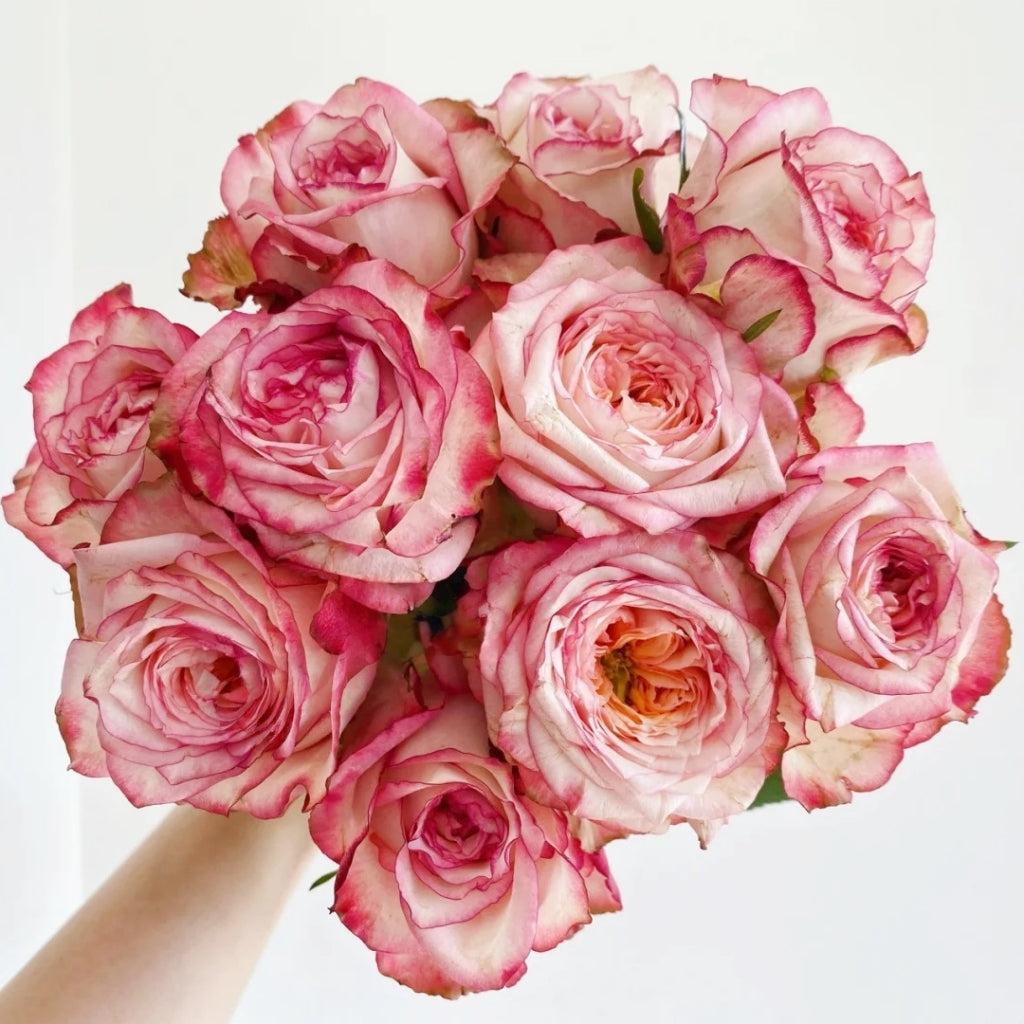
Imagine a rose that defies convention, a bloom where deep, mysterious purple gracefully transitions into a soft, inviting light coffee hue. This isn't a dream; it's the Montmartre Rose, a premium Dutch cut rose that brings an unparalleled level of sophistication and intrigue to any North American garden or floral arrangement. Renowned for its unique color palette, abundant petals, and distinctive form, the Montmartre Rose is more than just a flower; it's a statement.
For gardeners, rose collectors, and plant enthusiasts seeking something truly special, the Montmartre Rose offers an exquisite blend of classic rose charm with a modern, artistic twist. In this comprehensive guide, we'll explore everything you need to know about cultivating this magnificent variety, ensuring your garden flourishes with its enigmatic beauty.
Unveiling the Montmartre Rose: A Symphony of Color and Form
The Montmartre Rose stands out in a crowded field of beautiful blooms. Its allure lies in a combination of carefully bred characteristics that make it a favorite among those who appreciate fine horticulture.
A Glimpse into its Unique Pedigree
- Name: Montmartre (Dutch Premium Rose)
- Origin: Hailing from the Netherlands, a country celebrated for its innovative rose breeding, the Montmartre Rose was released in 2019. This modern origin speaks to its carefully selected traits and robust performance.
- Rose Type: Primarily classified as a cut rose, the Montmartre is bred for its exceptional beauty and longevity in floral arrangements, though it performs equally well as a stunning garden specimen.
The Montmartre Palette: Retro Purple Meets Coffee
The most striking feature of the Montmartre Rose is undoubtedly its color. It’s a captivating display:
- Color Transition: A retro purple base that elegantly transitions into a light coffee color, creating a mysterious and unique appearance that shifts with light and age.
- Flower Size: Each bloom boasts a generous diameter of 8-10 cm, making a significant visual impact.
- Petal Count: With 65+ petals, the Montmartre Rose forms full, luxurious blooms that exude opulence.
- Abnormal Core Shape: A truly distinctive trait, the core of the Montmartre Rose often displays an “abnormal” or unusually intricate shape, adding to its unique charm and making each flower a work of art.
Graceful Growth and Subtle Scent
Beyond its visual splendor, the Montmartre Rose offers practical advantages for the North American gardener:
- Plant Height: Reaching a height of 70-100 cm, it’s perfectly sized for both garden beds and for producing long stems ideal for cutting.
- Fragrance: It carries a light, delicate fragrance, pleasant and never overwhelming, making it suitable for indoor arrangements and close garden enjoyment.
- Growth Status: We provide 2-year-old live plants with strong, established roots, ensuring a healthy start and quicker establishment in your garden.
Abundant Blooms, Lasting Beauty
The Montmartre Rose is a generous bloomer, promising a continuous display of its unique flowers:
- Flowering Performance: Expect a long flowering period with abundant quantities of blooms and excellent repeatability throughout the growing season.
- Blooming Habit: Flowers mostly solitary on branches, maintaining an elegant, undeformed shape throughout their life cycle.
Why the Montmartre Rose Belongs in Your Garden
Choosing the right rose can transform your outdoor space. The Montmartre Rose offers compelling reasons to earn a place in your North American garden.
Elevate Your Garden's Aesthetic
Its unparalleled color combination makes the Montmartre Rose a focal point. It pairs beautifully with both cool-toned blues and purples, as well as warm creams and soft yellows, allowing for diverse garden design possibilities. It's a natural conversation starter, drawing admiration from all who behold its unique hues.
The Ultimate Cut Flower
As a premium cut rose, the Montmartre is specifically bred for its long, sturdy stems and excellent vase life. Imagine bringing the sophisticated beauty of Montmartre into your home, gracing your dining table or mantle with bouquets that embody elegance and a touch of vintage charm. Its consistent form and long-lasting blooms ensure your arrangements stay fresh and captivating.
A Collector's Dream
For dedicated rose collectors, the Montmartre Rose represents a modern classic. Its unique color transition and abnormal core shape set it apart from more common varieties, making it a prized addition to any collection focused on rare and distinctive blooms. Its Dutch origin further solidifies its status as a high-quality, desirable specimen.
Adaptable Beauty for North American Climates
While originating from the Netherlands, the Montmartre Rose is a robust variety that, with proper care, thrives across many North American hardiness zones. Its strong root system, provided by our 2-year-old live plants, gives it an excellent foundation for adapting to various regional conditions, from the humid summers of the East to the drier climates of the West.
Your Comprehensive Growing Guide for Montmartre Roses
Successful rose cultivation begins with understanding the plant's needs. Follow these steps to ensure your Montmartre Rose thrives.
Choosing the Perfect Location
Roses are sun-lovers. Select a spot in your garden that receives at least 6-8 hours of direct sunlight per day. Good air circulation is also crucial to prevent fungal diseases, so avoid planting too close to walls or other dense foliage.
Soil Preparation is Key
Montmartre Roses prefer well-drained, loamy soil rich in organic matter. A slightly acidic to neutral pH (6.0-6.5) is ideal. Before planting, amend your soil with compost, well-rotted manure, or other organic materials to improve drainage, fertility, and structure. If you have heavy clay soil, consider creating a raised bed.
Planting Your 2-Year-Old Live Plant
The best time to plant your Montmartre Rose is in spring after the last frost, or in early fall. Our 2-year-old live plants come with strong root systems, ready for planting:
- Dig a hole that is wide and deep enough to accommodate the roots comfortably, without bending or circling.
- Create a small mound of soil at the bottom of the hole.
- Place the rose on the mound, spreading the roots evenly. The bud union (the knobby part where the rose was grafted) should be at or slightly below soil level in colder climates, and at or slightly above in warmer climates.
- Backfill the hole with your amended soil, gently firming it around the roots to remove air pockets.
- Water thoroughly immediately after planting to settle the soil.
Initial Care for Establishment
For the first few weeks, consistent moisture is vital for your new rose. Water deeply every 2-3 days, or more frequently during hot, dry spells, until the plant is well-established. Apply a 2-3 inch layer of organic mulch (such as wood chips or shredded bark) around the base of the plant, keeping it a few inches away from the stem. Mulch helps retain soil moisture, regulate temperature, and suppress weeds.
Nurturing Your Montmartre Rose: Essential Care Tips
Once established, ongoing care will ensure your Montmartre Rose continues to produce its spectacular blooms.
Watering Wisely
Deep, infrequent watering is better than shallow, frequent watering. Aim to deliver water directly to the root zone, avoiding overhead watering which can encourage fungal diseases. Check soil moisture regularly; water when the top 2-3 inches of soil feel dry. In hot, dry periods, this might mean watering 2-3 times a week.
Feeding for Flourishing Blooms
Roses are heavy feeders. Begin fertilizing in early spring as new growth emerges, and continue every 4-6 weeks until late summer. Use a balanced rose-specific fertilizer or a granular fertilizer with a slightly higher phosphorus content to encourage blooms. Always follow product instructions carefully and water thoroughly after fertilizing.
Pruning for Health and Abundance
Pruning is essential for maintaining the health, shape, and flowering performance of your Montmartre Rose:
- Annual Pruning: The main pruning is done in late winter or early spring, just as the buds begin to swell. Remove any dead, diseased, or crossing branches. Aim to open up the center of the plant for better air circulation and sunlight penetration.
- Deadheading: Throughout the blooming season, remove spent flowers (deadhead) by cutting the stem back to a strong leaf with five leaflets. This encourages the plant to produce more blooms instead of putting energy into seed production.
- Shaping: Lightly prune throughout the season to maintain desired size and shape.
Pest and Disease Management
Vigilance is key. Inspect your rose regularly for signs of pests like aphids, spider mites, or rose slugs, and diseases such as black spot or powdery mildew. Early detection allows for easier, often organic, treatment. Good air circulation, proper watering, and sanitation (removing fallen leaves) are your best preventative measures. Consider insecticidal soap for pests and organic fungicides for diseases if necessary.
Winter Protection in Colder Zones
In USDA Hardiness Zones 6 and colder, Montmartre Roses will benefit from winter protection. After the first hard frost, mound soil, compost, or shredded leaves around the base of the plant to a height of 10-12 inches. Rose cones can also provide additional insulation. In very cold regions, you might need to wrap the canes with burlap or use a more extensive covering.
Common Mistakes to Avoid with Montmartre Roses
Even experienced gardeners can make mistakes. Being aware of these common pitfalls can save you time and ensure your Montmartre Rose thrives.
Under or Overwatering
Both extremes are detrimental. Underwatering leads to wilting and stunted growth, while overwatering can cause root rot and fungal issues. Stick to a consistent watering schedule based on soil moisture and environmental conditions.
Neglecting Soil Health
Planting in poor, unamended soil is a recipe for disappointment. Roses need rich, well-draining soil to access nutrients and moisture effectively. Invest time in proper soil preparation before planting.
Improper Pruning
Hesitation or incorrect pruning techniques can lead to fewer blooms, weak growth, and increased susceptibility to disease. Educate yourself on the basics of rose pruning, and don't be afraid to make clean, decisive cuts.
Ignoring Early Signs of Pests/Diseases
A small problem can quickly escalate. Regularly inspect your plants and act promptly at the first sign of trouble. Early intervention is often less invasive and more effective.
Planting in Poor Sunlight
Roses need ample sunlight to produce their best blooms. A shady location will result in leggy growth, fewer flowers, and a higher risk of disease. Always choose a spot with at least 6 hours of direct sun.
Montmartre Rose vs. Other Unique Varieties
While many roses offer beautiful colors, the Montmartre Rose truly stands in a league of its own, particularly when compared to other unique purple or coffee-toned roses.
Typical purple roses, while lovely, often present a uniform hue, ranging from lavender to deep violet. Similarly, many “coffee” or “tan” roses, like some of the popular Koko Loko varieties, tend to maintain a consistent earthy tone. What sets the Montmartre Rose apart is its dynamic color transition – the retro purple melting into light coffee within the same bloom. This isn't just a two-tone rose; it's a gradient, a painter's blend that creates depth and visual interest unmatched by single-hued varieties.
Furthermore, its “abnormal core shape” adds another layer of distinctiveness. While many roses aim for perfect symmetry, Montmartre embraces a more organic, intricate form at its heart, giving each flower a unique personality. Combined with its high petal count (65+) and robust cut-flower qualities, the Montmartre Rose offers a sophisticated, multi-faceted beauty that is rare to find. It's not just a purple rose or a coffee rose; it's a Montmartre Rose – a unique artistic expression in your garden.
Frequently Asked Questions (FAQ) About the Montmartre Rose
Is the Montmartre Rose suitable for beginners?
Yes! While it has unique characteristics, its care requirements are similar to many other hybrid tea-style roses. With our 2-year-old live plants and a commitment to basic rose care (sun, good soil, watering, and pruning), beginners can successfully grow and enjoy the Montmartre Rose.
How long do Montmartre Rose blooms last in a vase?
As a premium cut rose, Montmartre blooms have excellent vase life, typically lasting 7-10 days with proper care. To maximize vase life, cut stems in the early morning, immediately place them in water, and change the water every 1-2 days, trimming the stems slightly each time.
What kind of fragrance does it have?
The Montmartre Rose possesses a light, delicate fragrance. It's a subtle and pleasant aroma that enhances its overall appeal without being overpowering, making it perfect for indoor arrangements.
When does the Montmartre Rose typically bloom?
The Montmartre Rose boasts a long flowering period. In most North American climates, you can expect blooms from late spring or early summer, continuing repeatedly throughout the growing season until the first hard frost.
Can I grow Montmartre Roses in pots?
Yes, Montmartre Roses can be successfully grown in large containers (at least 15-20 gallons or 18-24 inches in diameter) with good drainage. Ensure they receive adequate sunlight, consistent watering, and regular feeding, as potted roses tend to dry out and deplete nutrients faster than those in the ground. Winter protection for potted roses in colder zones is also crucial.
Bring the Enigma of Montmartre to Your Garden
The Montmartre Rose is more than just a plant; it's an invitation to cultivate a piece of living art in your garden. Its captivating retro purple to light coffee transition, abundant petals, and distinctive core shape offer a visual experience unlike any other. Whether you're a seasoned rose collector or a passionate gardener looking to add a truly unique specimen to your landscape, the Montmartre Rose promises to deliver beauty, intrigue, and endless admiration.
Imagine the exquisite bouquets you'll create, the conversations it will spark, and the sheer joy of watching its mysterious colors unfold. With our healthy, 2-year-old live plants and the expert guidance provided here, you're well on your way to enjoying the unparalleled charm of the Montmartre Rose. Elevate your garden and your floral arrangements with this Dutch premium masterpiece today.