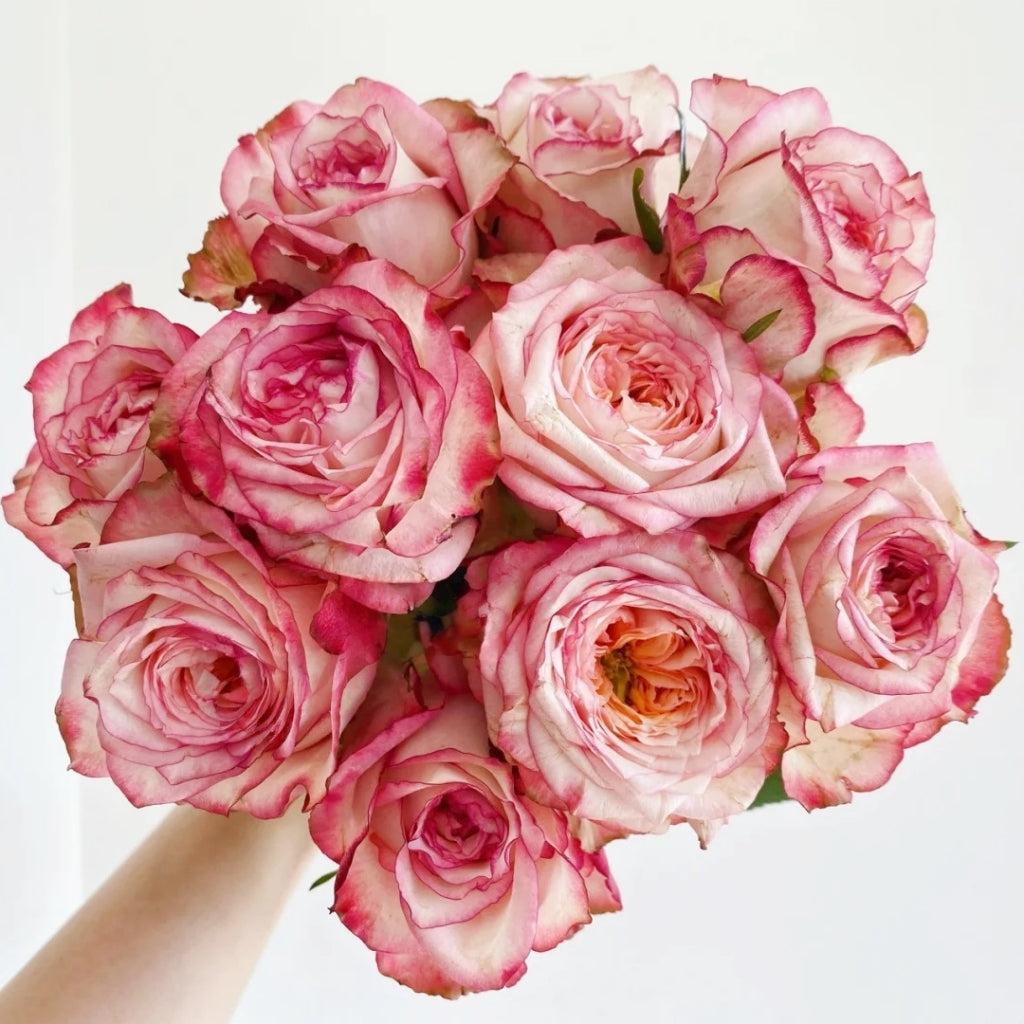
Unveiling the Kate Rose: David Austin's Enchanting Color-Changing Purple-Red Masterpiece for Your Garden
Unveiling the Kate Rose: David Austin's Enchanting Color-Changing Purple-Red Masterpiece for Your Garden
For gardeners and rose enthusiasts across North America, the name David Austin evokes images of classic English charm, exquisite fragrance, and unparalleled beauty. Among their celebrated collection, the 'Kate Rose' (also known by its synonym, AUSchris) stands out as a truly captivating variety. Released in 2014, this rose offers a unique spectacle of evolving color, a strong, alluring fragrance, and a robust nature that makes it a joy to grow in diverse climates.
If you're seeking a rose that brings both visual drama and sensory delight to your garden, or one that provides stunning, long-lasting blooms for your floral arrangements, the Kate Rose promises to be a cherished addition. Let's delve into what makes this David Austin rose so special and how you can cultivate its beauty in your own outdoor space.
Meet the Kate Rose: A Symphony of Color and Scent
The Kate Rose is a testament to David Austin's breeding excellence, combining the best traits of a cut rose with the garden performance of a shrub rose. This dual-purpose nature means it's equally at home gracing a prominent spot in your landscape or starring in a vase on your dining table.
Key Characteristics of Kate Rose:
- Origin: Bred by the esteemed David Austin Roses in England, released in 2014.
- Rose Type: Versatile Cut Rose / Shrub Rose.
- Growth Habit: A vigorous grower, reaching an average height of 120 cm (approximately 4 feet). We provide 2-year-old live plants with strong roots, ensuring quicker establishment and robust growth in your garden.
- Fragrance: Possesses a strong, classic rose fragrance that will perfume your garden and home.
- Flowering: Known for its frequent flowering, providing a continuous display of blooms throughout the growing season.
- Heat Tolerance: Exhibits strong heat tolerance, making it suitable for a wide range of North American climates where summer temperatures can soar.
The Dynamic Beauty of Kate Rose Blooms:
What truly sets the Kate Rose apart is its extraordinary flower features:
- Color Transformation: Blooms open with a captivating purplish-red or vibrant pink hue, gradually deepening to a rich, velvety red as they mature. This dynamic color transition adds incredible visual depth and interest to each flower and to the plant as a whole.
- Size and Form: Each bloom is generously sized, typically 8-10 cm (3-4 inches) in diameter. The petals are thick and lush, forming heavy, classic cup-shaped blooms that are characteristic of many beloved English roses.
- Golden Stamens: As the flowers fully open, they reveal a charming cluster of golden-yellow stamens at their heart, providing a striking contrast to the deep red petals and adding another layer of visual appeal.
The Allure of Kate Rose: Why This Rose Stands Out
Choosing the right rose for your garden can be a delightful, yet sometimes daunting, task. The Kate Rose simplifies this decision by offering a compelling combination of aesthetic appeal and practical benefits that resonate with North American gardeners.
Dynamic Color Evolution
Unlike many roses that maintain a consistent color from bud to fade, the Kate Rose offers a living art show. Watching its purplish-red and pink tones deepen into a rich, profound red is a truly mesmerizing experience. This evolving palette ensures that your garden always has something new and exciting to offer, providing a 'rich visual hierarchy' that keeps the eye engaged.
Exquisite Fragrance
The strong, classic rose fragrance of Kate Rose is a sensory delight. It's the kind of scent that transports you, evoking memories of old-fashioned rose gardens. Planting it near a patio, walkway, or window allows you to fully appreciate its aromatic charm, enhancing your outdoor living spaces and bringing a natural perfume indoors when cut.
Versatile Beauty for Garden and Vase
Whether you're designing a formal rose bed, creating a mixed border, or simply looking for exceptional cut flowers, Kate Rose excels. As a shrub rose, its upright growth habit and moderate height make it ideal for various garden applications. Its robust, long-stemmed blooms are perfect for creating elegant bouquets, adding a touch of sophisticated drama to any floral arrangement.
Robust and Resilient Performance
Gardeners appreciate plants that perform reliably, and Kate Rose delivers. Its strong heat tolerance means it can withstand the summer sun in many regions without excessive stress. Coupled with its frequent flowering habit, you can expect a consistent display of beautiful blooms from late spring through to the first frost, providing continuous enjoyment.
Established for Success
Starting with a 2-year-old live plant means you're already ahead. These plants have a well-developed root system, allowing them to establish quickly in your garden and begin producing those magnificent blooms sooner. This reduces the initial waiting period and increases your chances of immediate gardening success.
Growing Guide: Cultivating Your Kate Rose
To ensure your Kate Rose thrives and delivers its full potential, follow these essential growing guidelines tailored for North American climates.
Choosing the Right Spot
- Sunlight: Roses, especially David Austin varieties, are sun-lovers. Choose a location that receives at least 6-8 hours of direct sunlight per day. Morning sun is particularly beneficial as it helps dry dew from the leaves, reducing the risk of fungal diseases.
- Soil: Kate Rose prefers rich, well-draining soil. If you have heavy clay soil, amend it generously with organic matter like compost, well-rotted manure, or peat moss to improve drainage and fertility. For sandy soils, organic matter will help retain moisture and nutrients. The ideal soil pH for roses is slightly acidic, between 6.0 and 6.5.
- Air Circulation: Good air circulation around the plant is crucial to prevent fungal diseases. Avoid planting too close to walls or other dense plantings.
Planting Your 2-Year-Old Rose
Our Kate Roses arrive as 2-year-old live plants with strong root systems, ready for planting.
- Prepare the Hole: Dig a hole that is twice as wide as the root ball and just as deep. This allows the roots to spread out easily.
- Position the Plant: Carefully remove the rose from its container. If it's a grafted rose, position the plant so the graft union (the knobby part where the rose was joined to the rootstock) is at or slightly below soil level in colder climates (USDA Zone 6 and below) for winter protection, or at soil level in warmer climates.
- Backfill: Gently backfill the hole with the amended soil, firming it lightly around the roots to remove air pockets.
- Water Thoroughly: Water deeply immediately after planting to settle the soil around the roots.
Watering Wisely
Consistent and deep watering is key, especially during dry spells and the first growing season. Aim to water at the base of the plant to keep foliage dry, which helps prevent diseases.
- Frequency: Water 2-3 times a week, or more often in hot, dry weather. Feel the soil; if the top inch or two is dry, it's time to water.
- Depth: Ensure the water penetrates deeply into the soil, encouraging deep root growth. A drip irrigation system or soaker hose is ideal.
Feeding for Flourish
Roses are heavy feeders and benefit from regular fertilization.
- First Feeding: Wait until your rose has put on some new growth after planting before its first feeding.
- Fertilizer Type: Use a balanced rose fertilizer (e.g., 5-10-5 or 10-10-10) or one specifically formulated for roses. Organic options like compost tea, fish emulsion, or granular organic rose food also work wonderfully.
- Schedule: Fertilize every 4-6 weeks during the growing season, typically from spring after the first flush of blooms until about 6-8 weeks before the first anticipated frost in your area.
Essential Care Tips for a Thriving Kate Rose
Beyond the basics of planting and feeding, a few ongoing care practices will ensure your Kate Rose remains healthy and productive for years to come.
Pruning for Perfection
- Annual Dormant Pruning: The most important pruning occurs in late winter or early spring, just as the buds begin to swell. Remove dead, damaged, or diseased canes. Cut back about one-third to one-half of the previous year's growth, shaping the plant and encouraging strong new shoots. Aim for an open, vase-like structure to improve air circulation.
- Deadheading: Throughout the blooming season, remove spent flowers (deadhead) by cutting the stem just above a set of five leaves. This encourages the plant to put energy into producing more blooms rather than forming rose hips.
- Light Summer Pruning: You can lightly prune during the summer to maintain shape or remove any unruly growth.
Pest and Disease Management
While Kate Rose is generally robust, like all roses, it can occasionally encounter pests or diseases. Early detection and intervention are key.
- Common Pests: Aphids, spider mites, and Japanese beetles are common culprits. For aphids and mites, a strong spray of water or insecticidal soap can be effective. For Japanese beetles, hand-picking them in the morning is often the best approach.
- Common Diseases: Black spot and powdery mildew are fungal diseases that can affect roses. Good air circulation, proper watering (avoiding overhead watering), and prompt removal of affected leaves can help. Organic fungicides can be used if necessary.
- Prevention: A healthy, well-fed plant is more resistant to pests and diseases. Regular inspection of your rose will help you catch any issues early.
Winter Protection (For Colder Climates)
If you live in USDA Zones 6 or colder, providing winter protection for your Kate Rose is advisable to ensure its survival and vigorous return in spring.
- Mounding: After the first hard frost, mound up soil, compost, or shredded leaves around the base of the plant to a height of 10-12 inches. This insulates the graft union and lower canes.
- Burlap Wrap: In very cold or windy areas, you might consider wrapping the entire plant loosely in burlap, creating a mini-shelter.
- Do Not Prune Heavily: Avoid heavy pruning in the fall, as the remaining canes offer some natural protection. Save major pruning for late winter/early spring.
Common Mistakes to Avoid with Your Kate Rose
Even experienced gardeners can sometimes make missteps. Being aware of these common pitfalls can help ensure your Kate Rose flourishes.
- Inadequate Sunlight: Planting Kate Rose in too much shade will result in leggy growth, fewer blooms, and increased susceptibility to disease. Remember, 6-8 hours of direct sun is essential.
- Poor Drainage: Roses hate 'wet feet.' Soil that doesn't drain well can lead to root rot. Always amend heavy clay soils to improve drainage.
- Improper Pruning: Neglecting annual dormant pruning can lead to a tangled, unproductive bush. Conversely, pruning at the wrong time (e.g., too late in fall) can stimulate new growth that is vulnerable to winter damage.
- Neglecting Pests and Diseases: Ignoring early signs of trouble can quickly lead to a full-blown infestation or widespread disease. Regular inspection and prompt action are crucial.
- Under- or Over-Watering: Both extremes are detrimental. Under-watering stresses the plant, while over-watering can lead to root rot. Aim for consistent, deep watering.
Kate Rose in Context: How It Compares
Within the vast world of David Austin roses, many varieties boast deep red or purple hues. However, Kate Rose distinguishes itself with its unique color-changing characteristic. While roses like 'Munstead Wood' offer a rich, deep crimson and 'Darcey Bussell' provides a vibrant, true red, Kate Rose's journey from purplish-pink to deep red with visible golden stamens offers a dynamic visual interest that is truly its own. This evolving palette, combined with its strong fragrance and robust heat tolerance, carves out a special niche for Kate Rose, making it a distinctive choice for those who appreciate a rose with a story to tell as its blooms unfurl.
Frequently Asked Questions (FAQ) About Kate Rose
Is Kate Rose good for cutting?
Absolutely! Kate Rose is classified as both a shrub rose and a cut rose. Its strong stems, generous bloom size (8-10 cm), and captivating color transformation make it an excellent choice for bouquets and floral arrangements.
What kind of fragrance does Kate Rose have?
Kate Rose boasts a strong, classic rose fragrance. It's a rich, traditional scent that many gardeners associate with the quintessential English rose.
How tall does Kate Rose typically grow?
In optimal conditions, Kate Rose can reach a height of approximately 120 cm (about 4 feet), making it a good choice for mid-border planting or as a standalone specimen.
Is Kate Rose disease resistant?
While no rose is entirely immune to all diseases, Kate Rose exhibits strong heat tolerance, which often correlates with good overall vigor. With proper care, adequate sunlight, good air circulation, and consistent watering, it can maintain good health. Regular monitoring for common rose ailments is always recommended.
When does Kate Rose bloom?
Kate Rose is known for its frequent flowering. You can expect flushes of its beautiful blooms from late spring or early summer, continuing throughout the growing season until the first hard frost.
Is Kate Rose suitable for container growing?
Given its mature height of 120 cm, Kate Rose can be grown in a large container (at least 20-24 inches in diameter) with proper care, including more frequent watering and feeding. However, it will generally thrive best when planted directly in the garden.
Bring the Magic of Kate Rose to Your Garden
The Kate Rose is more than just a plant; it's an experience. Its dynamic color, intoxicating fragrance, and reliable performance make it a standout choice for any North American garden. Whether you're a seasoned rose collector or just beginning your gardening journey, the Kate Rose offers a rewarding and beautiful addition to your landscape.
Imagine the vibrant hues gracing your garden beds, the sweet scent wafting through the air, and the exquisite blooms adorning your home. Don't miss the opportunity to cultivate this David Austin masterpiece. Explore the Kate Rose today and transform your garden into a haven of evolving beauty and timeless charm.